From Surf Wiki (app.surf) — the open knowledge base
Bargeboard
Architectural element of a gable roof

Architectural element of a gable roof
A bargeboard or rake fascia is a board fastened to each projecting gable of a roof to give it strength and protection, and to conceal the otherwise exposed end grain of the horizontal timbers or purlins of the roof. The word bargeboard is probably from the Medieval Latin bargus, or barcus, a scaffold, and not from the now obsolete synonym vergeboard.
History
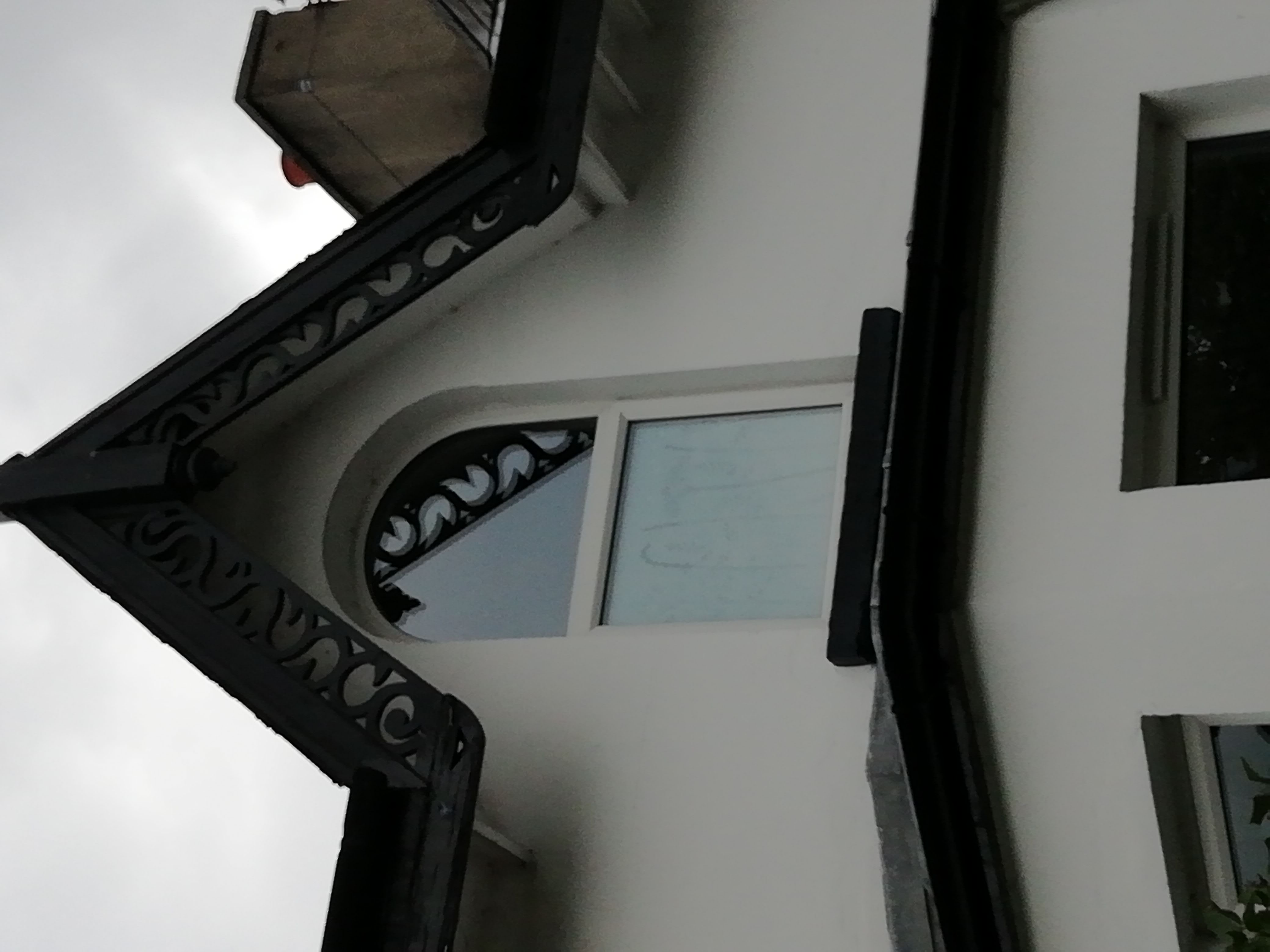

Historically, bargeboards are sometimes moulded only or carved, but as a rule the lower edges were cusped and had tracery in the spandrels besides being otherwise elaborated. An example in Britain was one at Ockwells in Berkshire (built 1446–1465), which was moulded and carved as if it were intended for internal work.
Modern residential rake fascias are typically made of 2-by dimensional lumber, with trim added for decoration and/or weatherproofing later.
References
References
- Patton, Marcus. (1984). "Historic Buildings, Groups of Buildings, Areas of Architectural Importance in Bangor and Groomsport". Ulster Architectural Heritage Society (UAHS).
- "Saitta House".
- {{EB1911
This article was imported from Wikipedia and is available under the Creative Commons Attribution-ShareAlike 4.0 License. Content has been adapted to SurfDoc format. Original contributors can be found on the article history page.
Ask Mako anything about Bargeboard — get instant answers, deeper analysis, and related topics.
Research with MakoFree with your Surf account
Create a free account to save articles, ask Mako questions, and organize your research.
Sign up freeThis content may have been generated or modified by AI. CloudSurf Software LLC is not responsible for the accuracy, completeness, or reliability of AI-generated content. Always verify important information from primary sources.
Report