From Surf Wiki (app.surf) — the open knowledge base
Back road
Type of rural road

Type of rural road

A back road is a secondary type of road usually found in rural areas. A country lane is a narrow road in the countryside.
Safety
Back roads tend to have narrow lanes, limited or non-existent shoulders, inconsistent pavement with gravel patches, sharp curves, steep slopes, and poor visibility. The majority of American back roads were built early in US road history, prior to modern safety standards and vehicle designs.
Back roads are less safe than other roads, boasting much higher fatality rates. A 2015 study by TRIP (a national transportation research group) in the United States found that back roads have a traffic fatality rate of 2.18 deaths per 100 million vehicle miles traveled, while the average across all US roads is 0.38. Of all vehicle miles traveled in the United States, 22% are driven on back roads, but 43% of vehicle collisions in 2015 (15,132 out of 35,092) occurred on back roads. In 2015, Texas had the highest number of rural non-interstate traffic deaths at 1,259, with California in second place at 1,219 deaths.
In the United States
In North Carolina, where they are also referred to as "blue roads," back roads are one- or two-laned roads off of larger roads, such as parkways, and are often made of gravel. Many back roads in North Carolina were created when the state's rural transportation system began investing in urban factories to relocate to rural areas. This created a system of back roads that allowed for factories to disperse away from busy urban areas. This was done in the late 1940s under Governor Kerr Scott and was known as the states rural farm-to-market road system. The idea for the farm-to-market road system was to connect farms out in rural areas to the markets in which they sold their produce, which would allow for easy transportation for those who transported their goods to market places. Ultimately these types of roads became state highways or nice quality roads, but the importance of their beginnings is that they began as rural back-roads for agricultural purposes.
In Vermont, the Natural Resources Conservation Service has established the Better Back Roads program to help towns and organizations deal with road-related soil erosion problems through grants. Both paved and unpaved back roads are eligible for these grants, which seek to protect water quality from sediment accumulation caused by road and ditch erosion.
In the United Kingdom
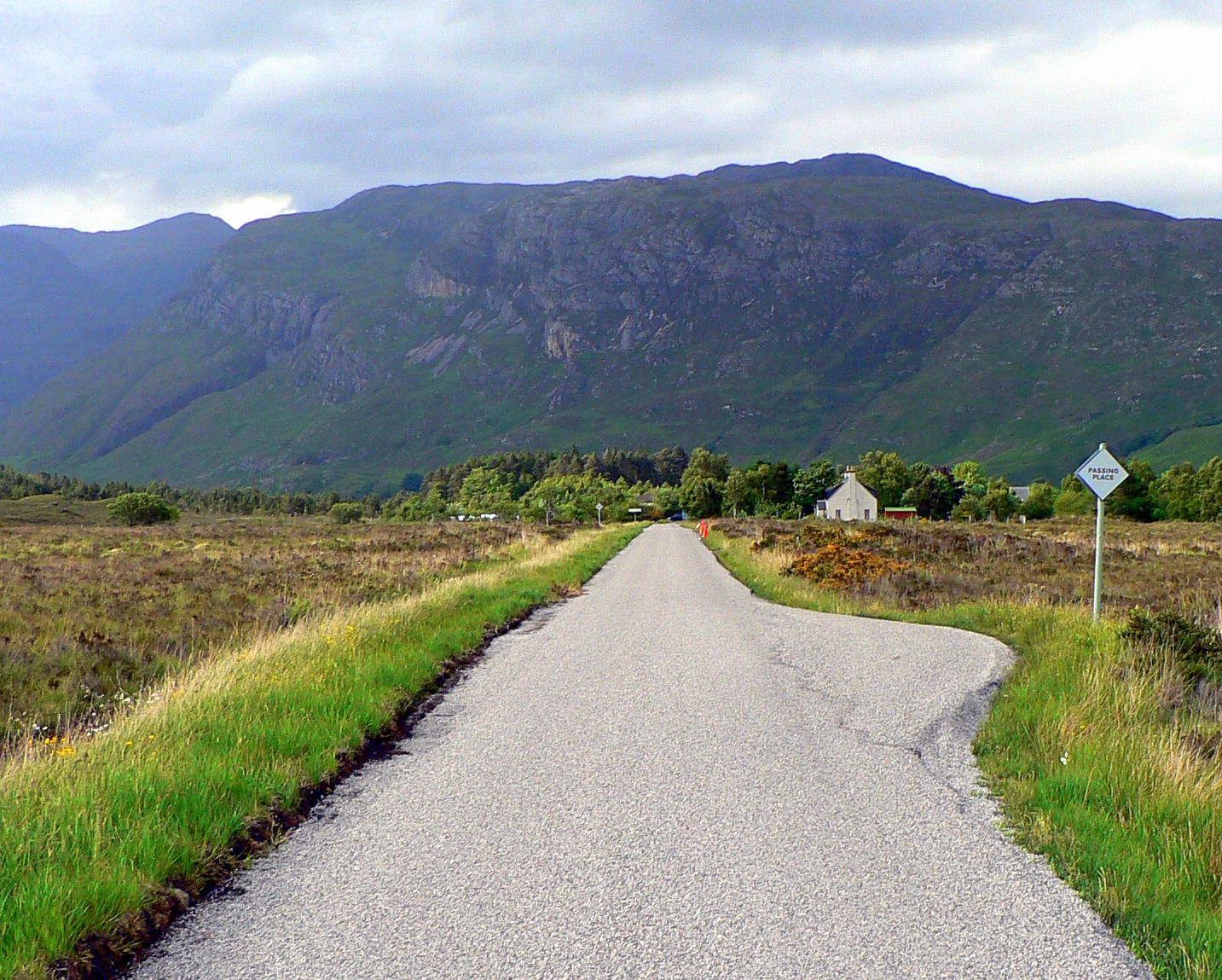
Because country lanes are typically "single lane" or "single track" (that is, the paved road is not wide enough for two vehicles to pass) there will usually be official or unofficial passing places along the route for traffic to pass safely.
Examples
File:Bend in a backroad - geograph.org.uk - 769231.jpg|Paved back road, Llanfairyneubwll, Isle of Anglesey, UK File:BackRoad.JPG|Unpaved back road near Talavdi, Gujarat, India File:Back road to Raunds - geograph.org.uk - 383044.jpg|Narrow back road near Hargrave, Bedfordshire, UK
References
References
- "TRIP".
- "TRIP".
- [[Sheila Turnage]] and Jim Hargan, ''Compass American Guides North Carolina'', (Edition 5, Random House, 2009) {{ISBN. 1-4000-0904-9, {{ISBN
- Greene, Tyler Gray. (2018-05-07). "Farm to Factory: Secondary Road Building and the Rural Industrial Geography of Post–World War II North Carolina". Journal of Southern History.
- Vermont [[Natural Resources Conservation Service. "Better Back Roads". [[United States Department of Agriculture]].
- [https://www.geograph.org.uk/photo/1894218 Geograph] - an example of an official passing place in the UK
This article was imported from Wikipedia and is available under the Creative Commons Attribution-ShareAlike 4.0 License. Content has been adapted to SurfDoc format. Original contributors can be found on the article history page.
Ask Mako anything about Back road — get instant answers, deeper analysis, and related topics.
Research with MakoFree with your Surf account
Create a free account to save articles, ask Mako questions, and organize your research.
Sign up freeThis content may have been generated or modified by AI. CloudSurf Software LLC is not responsible for the accuracy, completeness, or reliability of AI-generated content. Always verify important information from primary sources.
Report