From Surf Wiki (app.surf) — the open knowledge base
Audio/modem riser
Computer expansion slot for analog functionality
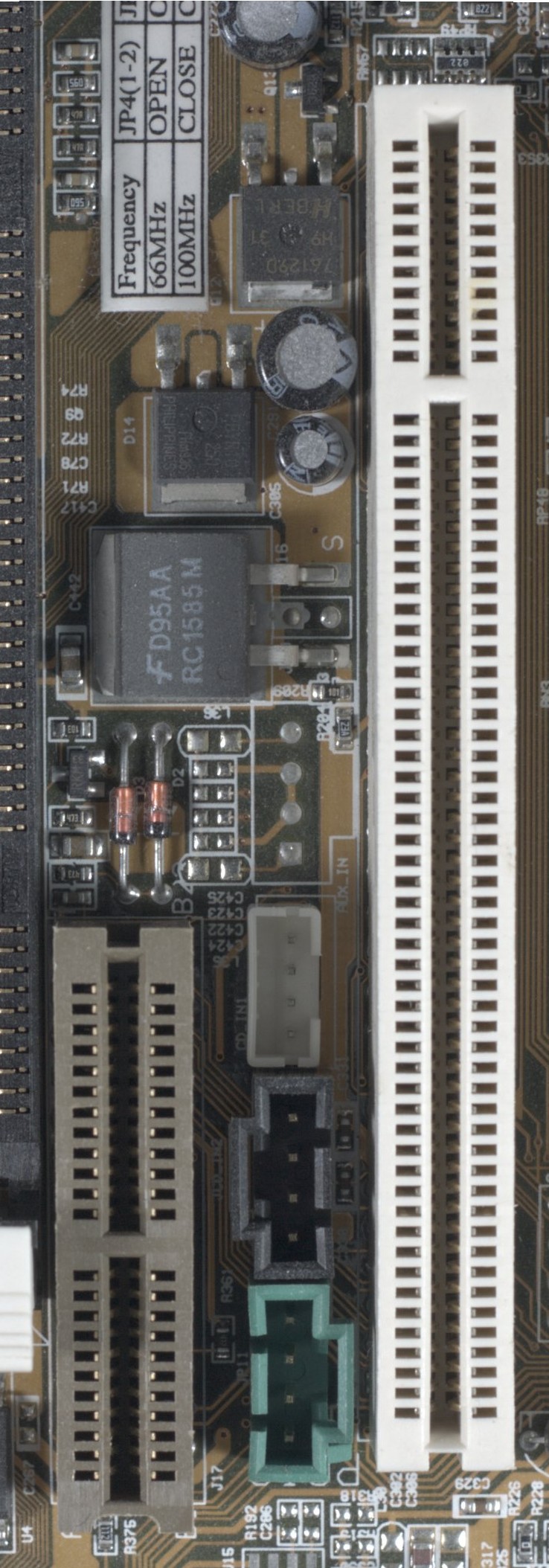
Computer expansion slot for analog functionality

The audio/modem riser (AMR) is a riser expansion slot found on the motherboards of some Pentium III, Pentium 4, Duron, and Athlon personal computers. It was designed by Intel to interface with chipsets and provide analog functionality, such as sound cards and modems, on an expansion card.
Technology
Physically, it has two rows of 23 pins, making 46 pins total. Three drawbacks of AMR are that it eliminates one PCI slot, it is not plug and play, and it does not allow for hardware accelerated cards (only software-based).
Technologically, it has been superseded by the Advanced Communications Riser (ACR) and Intel's own communications and networking riser (CNR). However, riser technologies in general never really took off. Modems generally remained as PCI cards while audio and network interfaces were integrated on to motherboards.
References
References
This article was imported from Wikipedia and is available under the Creative Commons Attribution-ShareAlike 4.0 License. Content has been adapted to SurfDoc format. Original contributors can be found on the article history page.
Ask Mako anything about Audio/modem riser — get instant answers, deeper analysis, and related topics.
Research with MakoFree with your Surf account
Create a free account to save articles, ask Mako questions, and organize your research.
Sign up freeThis content may have been generated or modified by AI. CloudSurf Software LLC is not responsible for the accuracy, completeness, or reliability of AI-generated content. Always verify important information from primary sources.
Report