From Surf Wiki (app.surf) — the open knowledge base
Attifet
Headdress worn by European women in the 16th and 17th centuries
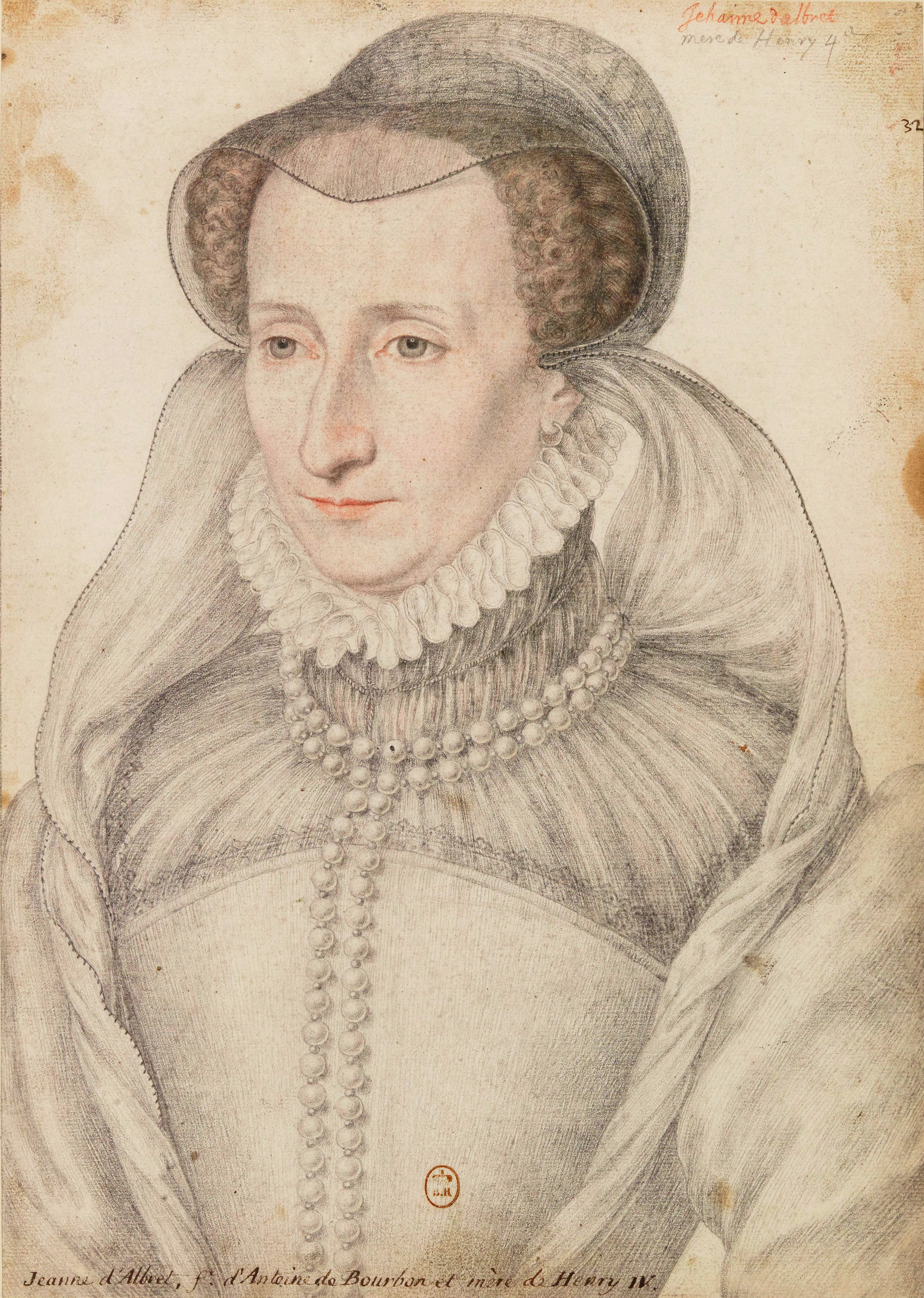
Headdress worn by European women in the 16th and 17th centuries
An attifet is a heart-shaped headdress with a point that dips over the forehead, worn by European women in the 16th and 17th centuries. It was first worn by Catherine de Medici and Mary Queen of Scots.
The attifet originated in France and was later also worn in countries such as England, Scotland and Czechoslovakia. Typically, the front of the attifet was held in shape by a wire frame. It dipped to a point over the forehead and then curved up and back in an arc on both sides. The attifet was usually made of silk or linen, and trimmed with lace or pearls. It was normally white, although there was also a black variant known as a widow's hood.
References
References
- Quoted by Knecht, ''Catherine de' Medici'', 149.
- McKelvey, Kathryn. (2006). "Fashion Source Book". Blackwell Science.
- Yarwood, Doreen. (1978). "The Encyclopedia of World Costume". Bonanza Books.
- Condra, Jill. (2007). "The Greenwood Encyclopedia of Clothing Through World History: 1501-1800". Greenwood Press.
- Yarwood, Doreen. (1978). "The Encyclopedia of World Costume". Bonanza Books.
This article was imported from Wikipedia and is available under the Creative Commons Attribution-ShareAlike 4.0 License. Content has been adapted to SurfDoc format. Original contributors can be found on the article history page.
Ask Mako anything about Attifet — get instant answers, deeper analysis, and related topics.
Research with MakoFree with your Surf account
Create a free account to save articles, ask Mako questions, and organize your research.
Sign up freeThis content may have been generated or modified by AI. CloudSurf Software LLC is not responsible for the accuracy, completeness, or reliability of AI-generated content. Always verify important information from primary sources.
Report