From Surf Wiki (app.surf) — the open knowledge base
Artemisia annua
Herb known as sweet wormwood

Herb known as sweet wormwood
Artemisia annua, also known as sweet wormwood, sweet annie, sweet sagewort, annual mugwort or annual wormwood, is a common type of wormwood native to temperate Asia, but naturalized in many countries including scattered parts of North America.
The chemical compound artemisinin, which is isolated from A. annua, is a medication used to treat malaria due to Plasmodium falciparum, the deadliest species of malarial parasite. Discovery of artemisinin and its antimalarial properties made the Chinese scientist Tu Youyou recipient of the 2011 Lasker Prize and 2015 Nobel Prize in Physiology or Medicine.
Description
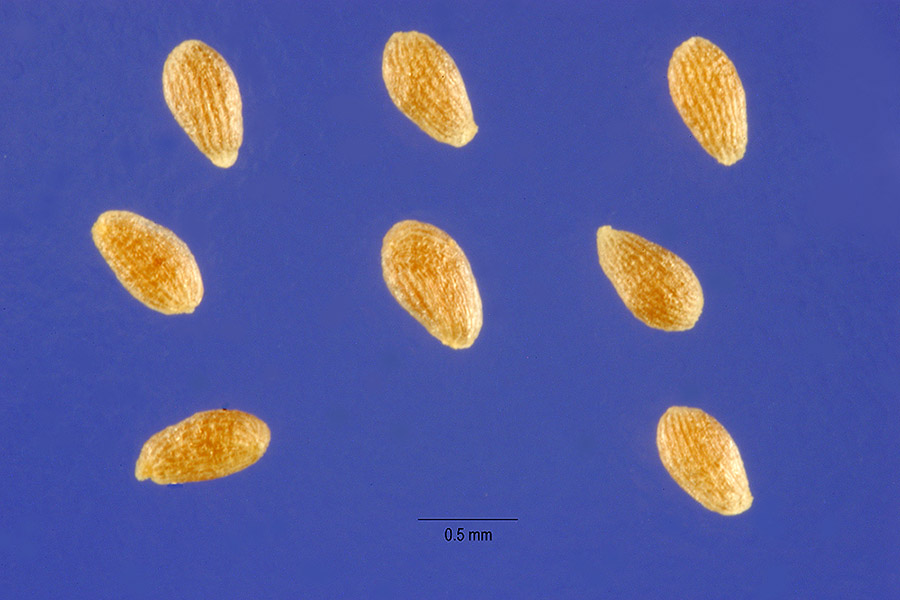
Artemisia annua belongs to the plant family of Asteraceae and is an annual short-day plant. Its stem is erect and brownish or violet-brown. The plant itself is hairless and naturally grows from 30 to 100 cm tall, although in cultivation plants can reach a height of 200 cm. The leaves of A. annua have a length of 3–5 cm and are divided by deep cuts into two or three small leaflets. The intensive aromatic scent of the leaves is characteristic. The artemisinin content in dried leaves is in between 0% and 1.5%. New hybrids of A. annua developed in Switzerland can reach a leaf artemisinin content of up to 2%. Also, four new genotypes developed by a collaboration between the USDA and Purdue University with 2% leaf artemisinin were released for researchers involved in the production of artemisinin. The small flowers have a diameter of 2–2.5 mm and are arranged in loose panicles. Their color is greenish-yellow. The seeds are brown achenes with a diameter of only 0.6–0.8 mm. Their thousand-kernel weight (TKW) averages around 0.03 g (in comparison, wheat has a TKW of approximately 45 g).
Agricultural practice
The growing period of A. annua from seeding through to harvest is 190–240 days, depending on the climate and altitude of the production area. The plant is harvested at the beginning of flowering when the artemisinin content is highest.
| Growth Phases | Days after sowing |
|---|---|
| Seed germination | 4–10 |
| Appearance of 1st pair of leaves | 15–30 |
| Appearance of 2nd pair of leaves | 21–50 |
| Branching | 60–90 |
| Cessation of growth in height | 170–200 |
| Flowering | 190–240 |
| Full fruition | 230–280 |
| Withering | 260–310 |
In terms of the climate A. annua prefers sunny and warm conditions. Its optimal growth temperature lies between 20 and 25 °C. Annual temperature sums of 3500–5000 °C (sum of temperatures higher than 10 °C over one year) are required to guarantee a proper maturing. The rainfall during the growing season should not be less than 600 mm (annual rainfall higher than 1150 mm). Especially the seedlings of A. annua. are susceptible to drought or water logging. The mature plants on the other hand are quite resistant to those climate conditions. Nevertheless, the preferred soil conditions for A. annua are light soils with deep topsoils and good drainage properties.
A. annua is best sown in rows to facilitate the removal of weeds, which has to be done mechanically or manually because herbicides are typically not used. It is recommended to sow 1.4 – 2 seeds per square meter. The fertilizer requirements are at a low level. Potassium should be used as base fertilizer. It is taken up by the plant during the whole growing season. Phosphate on the other hand is required during the blooming stages. Phosphate fertilization can lead to a higher artemisinin content in the leaves. The application of salicylic acid to the leaves shortly before harvesting the plant also can raise its artemisinin content. Besides few viral diseases, A. annua has no major diseases that need to be controlled.
The harvest of the plant is best done when plants reach peak artemisinin, which may be in the state of flower budding, for early-flowering cultivars. However, for late flowering cultivars that were reported to reach peak artemisinin in early September in the United States, the harvest will happen about a month before the flowering stage when plants produce more artemisinin in leaves. This peak artemisinin in early September was observed for Brazilian, Chinese, and Swiss clones in West Virginia. Drying the plants before extraction will significantly increase artemisinin as dihydroartemisinic acid and artemisinic acid seem to be converted into artemisinin. The whole plant is harvested and cut into branches which are dried in the sun or an oven. Some report that drying artemisia plants at 45 °C for 24h increased artemisinin and maintained leaf antioxidant capacity. The dry branches are shaken or beaten to separate the leaves from the stem. The leaves are then packed into fabric bags and shipped for further processing. The optimum storage conditions are either 20 °C with 85% relative humidity (RH) or 30 °C with 30–40% RH.
Artemisinin and other phytochemicals
In 1971, scientists demonstrated that the plant extracts had antimalarial activity in primate models, and in 1972 the active ingredient, artemisinin (formerly referred to as arteannuin), was isolated and its chemical structure described.
The first isolation of artemisinin from the herb occurred from a military project known as Project 523, following the study of traditional medicine pharmacopoeias performed by Tu Youyou and other researchers within the project. A. annua contains diverse phytochemicals, including polyphenols such as coumarins, flavones, flavonols, and phenolic acids which have unknown biological properties in vivo. Other phytochemicals include 38 sesquiterpenes.
Malaria treatment
Research to develop antimalarial drugs led to the discovery of artemisinin in the 1970s by the Chinese scientist Tu Youyou, who shared the 2015 Nobel Prize in Physiology or Medicine. An improved extract was obtained by using a low-temperature ether-based extraction method, further showing the artemisinin derivative artemether to be an effective antimalarial drug.
Artemisinin is a sesquiterpene lactone with an endoperoxide bridge and has been produced as an antimalarial drug. Research has found that artemisinin is not soluble in water and the concentrations in these infusions are considered insufficient to treat malaria. A 2012 review stated that artemisinin-based remedies are the most effective drugs for the treatment of malaria. A 2013 review suggested that although A. annua may not cause hepatotoxicity, haematotoxicity, or hyperlipidemia, it should be used cautiously during pregnancy owing to a potential risk of embryotoxicity at a high dose.
The WHO has approved riamet (Coartem), a combination of lumefantrine (120 mg) and artemether (an artemisinin derivative extracted with ether, 20 mg) in repeat treatments over two days, producing efficacy of up to 98% against malaria.
Mechanism
The proposed mechanism of action of artemisinin involves cleavage of endoperoxide bridges by iron, producing free radicals (hypervalent iron-oxo species, epoxides, aldehydes, and dicarbonyl compounds) which damage biological macromolecules causing oxidative stress in the cells of the malaria parasite. Malaria is caused by apicomplexans, primarily Plasmodium falciparum, which largely reside in red blood cells and contain iron-rich heme-groups (in the form of hemozoin). In 2015, artemisinin was shown to bind to a large number of cell targets, indicating its potential for diverse effects.
Artemisinin resistance
Despite global efforts in combating malaria, it remains a large burden for the population, particularly in tropical and subtropical regions. Emergence of artemisinin resistance has been identified in Cambodia and the border of Thailand. Although the WHO recommends artemisinin-based remedies for treating uncomplicated malaria, artemisinin resistance has become a concern. The causes that affected the emergence of artemisinin resistance include the use of artemisinin-based remedies. Encouraging herbal alternatives are in the pipeline, but a more dependable solution for the eradication of malaria would be the creation of an effective vaccination. Resistance will likely spread to other endemic areas across the world.
Traditional medicine
In traditional Chinese medicine (TCM), A. annua is prepared with water to treat fever.
References
References
- [http://www.theplantlist.org/tpl1.1/record/gcc-39740 The Plant List ''Artemisia annua'' L. ]
- (2015). "English Names for Korean Native Plants". [[Korea National Arboretum]].
- {{BSBI 2007
- [http://www.efloras.org/florataxon.aspx?flora_id=1&taxon_id=200023164 Flora of China Vol. 19, 20 and 21 Page 523 Sweet Annie, sweet sagewort, armoise annuelle ''Artemisia annua'' Linnaeus, Sp. Pl. 2: 847. 1753. ]
- [http://www.efloras.org/florataxon.aspx?flora_id=2&taxon_id=200023164 Flora of China Vol. 20–21 Page 691 黄花蒿 huang hua hao ''Artemisia annua'' Linnaeus, Sp. Pl. 2: 847. 1753]
- [http://www.efloras.org/florataxon.aspx?flora_id=5&taxon_id=200023164 Flora of Pakistan]
- (May 2019)
- (23 March 2020). "Sweet wormwood (''Artemisia annua'' L.)". Drugs.com.
- (2015). "Youyou Tu – Facts and biography: The Nobel Prize in Physiology or Medicine 2015". The Nobel Foundation.
- "''Artemisia annua'' (sweet wormwood)". Royal Botanic Gardens.
- (2006). "WHO monograph on good agricultural and collection practices (GACP) for ''Artemisia annua'' L.". World Health Organization.
- (2019-11-01). "Germplasm Release of Four High-artemisinin Clones of Artemisia annua L.". HortScience.
- Forestry, Government of Alberta, Alberta Agriculture and. (1993-09-01). "Using 1,000 Kernel Weight for Calculating Seeding Rates and Harvest Losses".
- (2006). "New Artemisia annua hybrids with high artemisinin content". XXVII International Horticultural Congress-IHC2006: International Symposium on Asian Plants with Unique Horticultural 769.
- (2007). "Effects of arbuscular mycorrhiza and phosphorus application on artemisinin concentration in ''Artemisia annua'' L". Mycorrhiza.
- (2009). "Salicylic acid activates artemisinin biosynthesis in Artemisia annua L". Plant Cell Reports.
- (2018-08-13). "Seasonal and Differential Sesquiterpene Accumulation in Artemisia annua Suggest Selection Based on Both Artemisinin and Dihydroartemisinic Acid may Increase Artemisinin in planta". Frontiers in Plant Science.
- (2010-02-10). "Drying Affects Artemisinin, Dihydroartemisinic Acid, Artemisinic Acid, and the Antioxidant Capacity of Artemisia annua L. Leaves". Journal of Agricultural and Food Chemistry.
- (2010-02-10). "Drying Affects Artemisinin, Dihydroartemisinic Acid, Artemisinic Acid, and the Antioxidant Capacity of Artemisia annua L. Leaves". Journal of Agricultural and Food Chemistry.
- (1993). ["Development and Fine Structure of the Glandular Trichomes of ''Artemisia annua L.''"](https://zenodo.org/record/1235684 }}
{{cite journal). Int. J. Plant Sci.. - Tom Phillips. (October 6, 2015). "Tu Youyou: how Mao's challenge to malaria pioneer led to the Nobel prize". [[The Guardian]].
- (2010-04-29). "Flavonoids from ''Artemisia annua'' L. as antioxidants and their potential synergism with artemisinin against malaria and cancer". Molecules.
- (2019). "A review on the latest advances in extraction and analysis of artemisinin (Review)". Phytochemical Analysis.
- (2016-05-10). "Isolation and Characterization of Three New Monoterpene Synthases from Artemisia annua". Frontiers in Plant Science.
- (2023-01-23). "Multivariate Analysis of Essential Oil Composition of Artemisia annua L. Collected from Different Locations in Korea". Molecules.
- (2011). "Artemisinin: Discovery from the Chinese herbal garden". Cell.
- (2007). "Hard to swallow". Nature.
- (2004). "Randomized controlled trial of a traditional preparation of ''Artemisia annua'' L. (Annual Wormwood) in the treatment of malaria". Trans R Soc Trop Med Hyg.
- (1 February 2004). "Pharmacokinetic study of artemisinin after oral intake of a traditional preparation of ''Artemisia annua'' L. (annual wormwood)". Am J Trop Med Hyg.
- Jansen FH. (2006). "The herbal tea approach for artemesinin as a therapy for malaria?". Trans R Soc Trop Med Hyg.
- (2012). "Artemisinin-resistant malaria: Research challenges, opportunities, and public health implications". The American Journal of Tropical Medicine and Hygiene.
- (2013). "A safety assessment of the antimalarial herb Artemisia annua during pregnancy in Wistar rats". Phytotherapy Research.
- (2015). "Haem-activated promiscuous targeting of artemisinin in ''Plasmodium falciparum''". Nature Communications.
- (2013). "Artemisinin-resistant malaria in the Asia-Pacific region". The Lancet.
- (2010). "The development of artemisinin resistance in malaria: Reasons and solutions". Phytotherapy Research.
- (2013). "Emerging artemisinin resistance in the border areas of Thailand". Expert Review of Clinical Pharmacology.
This article was imported from Wikipedia and is available under the Creative Commons Attribution-ShareAlike 4.0 License. Content has been adapted to SurfDoc format. Original contributors can be found on the article history page.
Ask Mako anything about Artemisia annua — get instant answers, deeper analysis, and related topics.
Research with MakoFree with your Surf account
Create a free account to save articles, ask Mako questions, and organize your research.
Sign up freeThis content may have been generated or modified by AI. CloudSurf Software LLC is not responsible for the accuracy, completeness, or reliability of AI-generated content. Always verify important information from primary sources.
Report