From Surf Wiki (app.surf) — the open knowledge base
Archeological Sites at Kawela
Archeological sites in Hawaii
Archeological sites in Hawaii
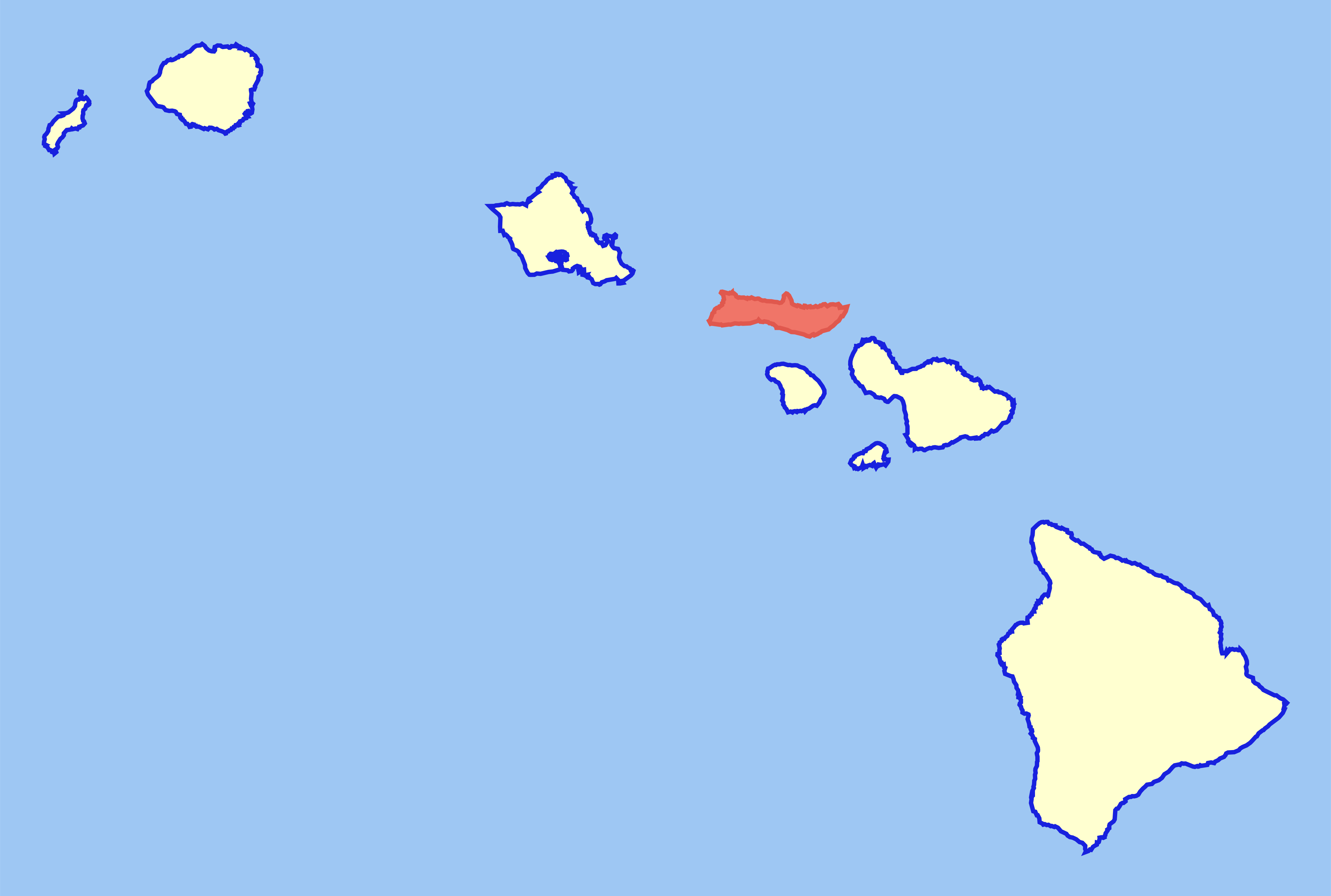
Archeological Sites at Kawela are a number of archeological sites at or near the settlement of Kawela on the southern coast of Molokai, the northernmost of the islands of Maui County, Hawaii. It was the site of two battles in Hawaiian history.
Early history
Ka Wela means "the heat" in the Hawaiian language. It was the name of a traditional land division (ahupuaa) of ancient Hawaii, but the name is also used on several other islands.
It is located about 4.5 mi east of the town of Kaunakakai. A heiau is visible at on a ridge between the forks of Kawela Gulch.
This is generally thought to be the place of refuge (Puuhonua) where the soldiers of Kapiioho o kalani fled during a great battle of about 1737.
In about February 1795, women and children escaped to Molokai when Kamehameha I had just conquered Maui. In pursuit, the vast fleet of war canoes stretched all along the coast from Kawela past Kaunakakai to the area known as Kalamaula. The army met little resistance this time.
In the late 19th century it was part of the vast Molokai Ranch owned by King Kamehameha V and managed by the family of Rudolph Wilhelm Meyer.
Recent history

The area now has a few vacation homes along the shore, and one subdivision of 120 2 acre lots that are zoned for agriculture on the hills. Wadsworth Y. H. Yee, in the Hawaii Senate from the Republican Party of Hawaii proposed the development in the 1970s. Ground was broken on December 20, 1980.
Wetlands and an ancient fishpond near the shore are preserved in the Kakahaia National Wildlife Refuge and Kakahaia park administered by Maui County.
There are 21 which are separately listed on the National Register of Historic Places. The names used in the NRHP all start with the words "Archeological Site" and then an optional list of site numbers from a survey done by the Bernice Pauahi Bishop Museum when the development was proposed with a letter "T" followed by a dash, and then a state site identifier which four numbers separated with dashes, starting with "50-60" indicating the 50th state of Hawaii and the county of Maui County, a map quadrant, and site within the state registry. The sites are scattered through the area, and are located on private property so generally not accessible to the public.
The sites are:
| Reference number | Survey sites | Date listed | State site | Area | Summary | 82000152 | 82000163 | 82000164 | 82000153 | 82000165 | 82000166 | 82000167 | 82000168 | 82000169 | 82000154 | 82000150 | 82000157 | 82000151 | 82000158 | 82000170 | 82000159 | 82000160 | 82000161 | 82000162 | 82000155 | 82000156 | 82000174 | ||||||||||||||||||||||
|---|---|---|---|---|---|---|---|---|---|---|---|---|---|---|---|---|---|---|---|---|---|---|---|---|---|---|---|---|---|---|---|---|---|---|---|---|---|---|---|---|---|---|---|---|---|---|---|---|---|
| T-10 | 50-60-04-702 | 0.2 acre | 3 dwellings | ||||||||||||||||||||||||||||||||||||||||||||||
| T-108 | 50-60-03-713 | 4.5 acre | Agricultural fields | ||||||||||||||||||||||||||||||||||||||||||||||
| T-111-116; T-182 | 50-60-04-710 | 9 acre | 7 burials | ||||||||||||||||||||||||||||||||||||||||||||||
| T-12 | 50-60-04-704 | 0.2 acre | Rock carving | ||||||||||||||||||||||||||||||||||||||||||||||
| T-125-6; T-181 | 50-60-03-714 | 3.9 acre | 25 buildings and agricultural sites | ||||||||||||||||||||||||||||||||||||||||||||||
| T-134 | 50-60-03-718 | 0.5 acre | Dwellings and burials | ||||||||||||||||||||||||||||||||||||||||||||||
| T-135-6 | 50-60-03-719 | 0.6 acre | Building | ||||||||||||||||||||||||||||||||||||||||||||||
| T-155, -158 | 50-60-03-721 | 6.5 acre | 11 religious structures | ||||||||||||||||||||||||||||||||||||||||||||||
| T-165-6 | 50-60-03-727 | 0.7 acre | 2 buildings | ||||||||||||||||||||||||||||||||||||||||||||||
| T-19 | 50-60-04-705 | 0.1 acre | 1 dwelling | ||||||||||||||||||||||||||||||||||||||||||||||
| T-5, T-122, T-178 | 50-60-04-142 | 0.9 acre | 6 religious structures | ||||||||||||||||||||||||||||||||||||||||||||||
| T-57 | 50-60-03-720 | 5 acre | 24 grave sites | ||||||||||||||||||||||||||||||||||||||||||||||
| T-6 complex | 50-60-04-700 | 1.6 acre | 12 structures | ||||||||||||||||||||||||||||||||||||||||||||||
| T-76 | 50-60-03-724 | 0.5 acre | 6 domestic structures | ||||||||||||||||||||||||||||||||||||||||||||||
| T-78 | 50-60-03-723 | 0.2 acre | Religious structure | ||||||||||||||||||||||||||||||||||||||||||||||
| T-79 | 50-60-03-726 | 1 acre | 7 domestic structures | ||||||||||||||||||||||||||||||||||||||||||||||
| T-81, -100, -101, -105, -142 | 50-60-03-717 | 1.4 acre | 27 burials | ||||||||||||||||||||||||||||||||||||||||||||||
| T-88 | 50-60-04-707 | 0.5 acre | Religious structure | ||||||||||||||||||||||||||||||||||||||||||||||
| T-92 | 50-60-04-708 | 1.2 acre | 7 domestic structures | ||||||||||||||||||||||||||||||||||||||||||||||
| 50-60-04-140 | 0.9 acre | Place of refuge, Puuhonua | |||||||||||||||||||||||||||||||||||||||||||||||
| 50-60-04-144 | 0.3 acre | Burial Mound and fishing site | |||||||||||||||||||||||||||||||||||||||||||||||
| T-20 and T-42-3 | 50-60-04-706 | 1.1 acre | Kamehameha V Wall |
References
References
- Lloyd J. Soehren. (2004). "lookup of Kawela". Ulukau, the Hawaiian Electronic Library.
- {{gnis. 362408. Kawela
- Kamakau, Samuel. (1992). "Ruling Chiefs of Hawaii". [[Kamehameha Schools]] Press.
- Abraham Fornander. (1996). "An Account of the Polynesian Race: Its Origin and Migrations, and the ancient history of the Hawaiian people to the times of Kamehameha I". Trubner & company, republished by Mutual Publishing.
- "Kawela Battle Field". Hawaii web.
- "East Molokai Watershed Partnership Strategic Plan".
- "Kawela Plantation Homeowners' Association". official web site.
- "Kakahaiʻa National Wildlife Refuge". [[United States Fish and Wildlife Service]].
- {{NRISref. 2008a
- Catherine C. Summers. (1971). "Molokai: a site survey". Dept. of Anthropology, [[Bernice Pauahi Bishop Museum]].
- (January 2003). "National and State Register of Historic Places on Moloka'i". Hawaii State Historic Preservation Division.
- "Tax map for Zone 5, section 4, plat 03". [[Maui County]].
This article was imported from Wikipedia and is available under the Creative Commons Attribution-ShareAlike 4.0 License. Content has been adapted to SurfDoc format. Original contributors can be found on the article history page.
Ask Mako anything about Archeological Sites at Kawela — get instant answers, deeper analysis, and related topics.
Research with MakoFree with your Surf account
Create a free account to save articles, ask Mako questions, and organize your research.
Sign up freeThis content may have been generated or modified by AI. CloudSurf Software LLC is not responsible for the accuracy, completeness, or reliability of AI-generated content. Always verify important information from primary sources.
Report