From Surf Wiki (app.surf) — the open knowledge base
Antiparasitic
Class of medications
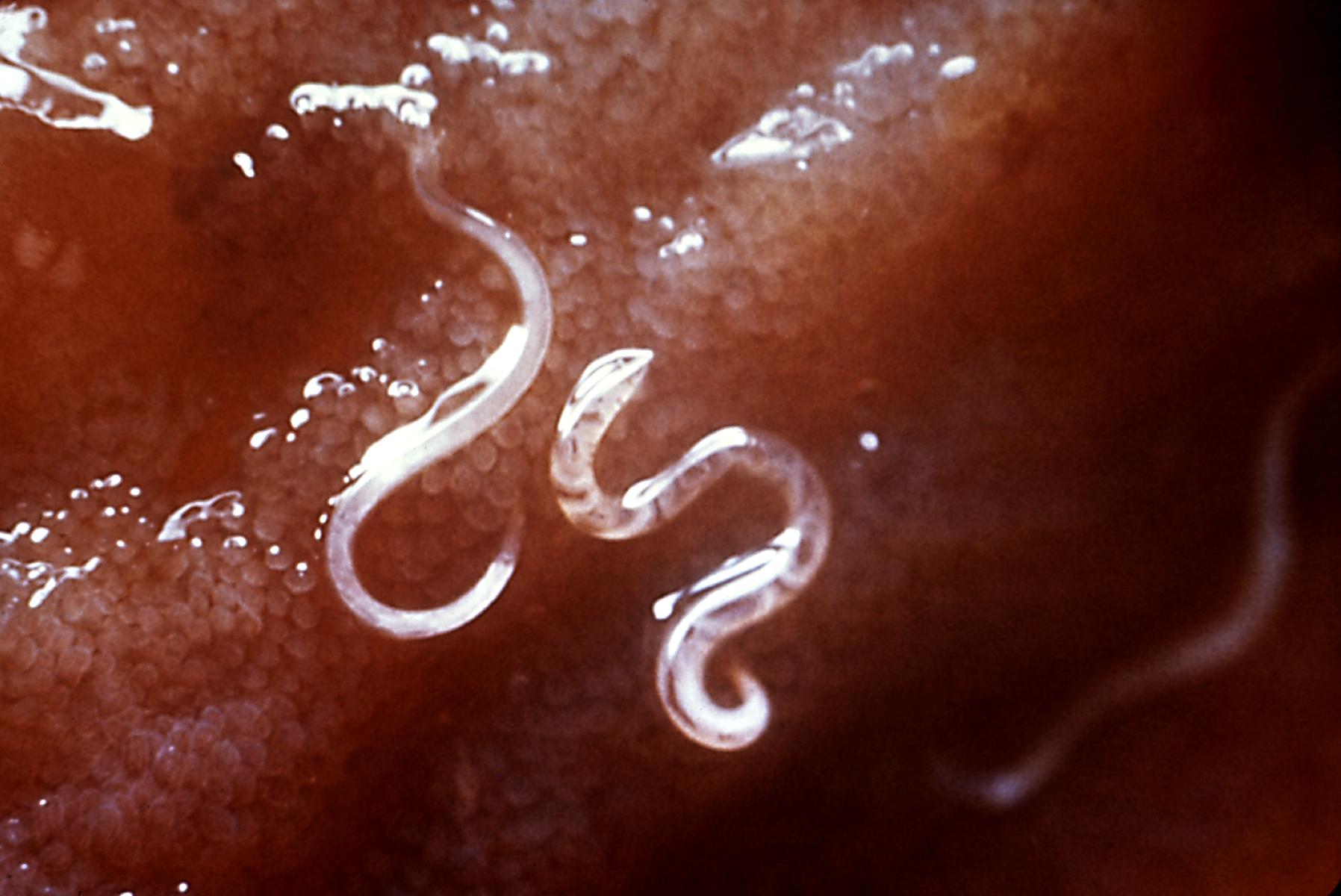
Class of medications
Antiparasitics are a class of medications which are indicated for the treatment of parasitic diseases, such as those caused by helminths, amoeba, ectoparasites, parasitic fungi, and protozoa, among others. Antiparasitics target the parasitic agents of the infections by destroying them or inhibiting their growth; they are usually effective against a limited number of parasites within a particular class. Antiparasitics are one of the antimicrobial drugs which include antibiotics that target bacteria, and antifungals that target fungi. They may be administered orally, intravenously or topically. Overuse or misuse of antiparasitics can lead to the development of antimicrobial resistance.
Broad-spectrum antiparasitics, analogous to broad-spectrum antibiotics for bacteria, are antiparasitic drugs with efficacy in treating a wide range of parasitic infections caused by parasites from different classes.
Types
Broad-spectrum
- Nitazoxanide
Antiprotozoals
Main article: Antiprotozoal
- Melarsoprol (for treatment of sleeping sickness caused by Trypanosoma brucei)
- Eflornithine (for sleeping sickness)
- Metronidazole (for vaginitis caused by Trichomonas)
- Tinidazole (for intestinal infections caused by Giardia lamblia)
- Miltefosine (for the treatment of visceral and cutaneous leishmaniasis, currently undergoing investigation for Chagas disease)
Antihelminthic
Main article: Antihelminthic
Antinematodes
- Mebendazole (for most nematode infections)
- Pyrantel pamoate (for most nematode infections)
- Thiabendazole (for roundworm infections)
- Diethylcarbamazine (for treatment of Lymphatic filariasis)
- Ivermectin (for prevention of river blindness)
- Fenbendazole
Anticestodes
- Niclosamide (for tapeworm infections)
- Praziquantel (for tapeworm infections)
- Albendazole (broad spectrum)
Antitrematodes
- Praziquantel
Antiamoebics
- Rifampin
- Amphotericin B
Antifungals
Main article: Antifungal
- Fumagillin (for microsporidiosis)
Medical uses
Antiparasitics treat parasitic diseases, which impact an estimated 2 billion people.
Administration
Antiparastics may be given via a variety of routes depending on the specific medication, including oral, topical, and intravenous.
Resistance to antiparasitics has been a growing concern, especially in veterinary medicine. The Egg hatch assay can be used to determine whether a parasite causing an infection has become resistant to standard drug treatments.
Drug development history
Early antiparasitics were ineffective, frequently toxic to patients, and difficult to administer due to the difficulty in distinguishing between the host and the parasite.
Between 1975 and 1999 only 13 of 1,300 new drugs were antiparasitics, which raised concerns that insufficient incentives existed to drive development of new treatments for diseases that disproportionately target low-income countries. This led to new public sector and public-private partnerships (PPPs), including investment by the Bill and Melinda Gates Foundation. Between 2000 and 2005, twenty new antiparasitic agents were developed or in development. Metal-containing compounds are the subject of another avenue of approach.
Research
In the last decades, triazolopyrimidines and their metal complexes have been looked at as an alternative drug to the existing commercial antimonials, searching for a decrease in side effects and the development of parasite drug resistance.
References
References
- (2011). "Antiparasitic Therapy". Mayo Clin. Proc..
- (2016). "A novel antiamoebic agent against Acanthamoeba sp. – A causative agent for eye keratitis infection". Spectrochimica Acta Part A: Molecular Spectroscopy.
- "ANTIPARASITICS". Purdue Research Foundation.
- (2013). "Research perspective: potential role of nitazoxanide in ovarian cancer treatment. Old drug, new purpose?". Cancers (Basel).
- (2004). "Nitazoxanide: a new broad spectrum antiparasitic agent". Expert Rev Anti Infect Ther.
- (2006). "Nitazoxanide, a broad-spectrum thiazolide anti-infective agent for the treatment of gastrointestinal infections". Expert Opin Pharmacother.
- (2007). "Nitazoxanide: A review of its use in the treatment of gastrointestinal infections". Drugs.
- (June 2002). "Fumagillin treatment of intestinal microsporidiosis". N. Engl. J. Med..
- (February 2009). "Microsporidiosis in solid organ transplant recipients: two Enterocytozoon bieneusi cases and review". Transpl Infect Dis.
- Sargison, Neil. (2009-01-26). "Sheep Flock Health: A Planned Approach". John Wiley & Sons.
- (September 2005). "Opportunities and Challenges in Antiparasitic Drug Discovery". Nature.
- (2019-01-14). "Metal Compounds in the Development of Antiparasitic Agents: Rational Design from Basic Chemistry to the Clinic". Metal Ions in Life Sciences.
- (2017). "Leishmanicidal and Trypanocidal Activity of Metal Complexes with 1,2,4-Triazolo[1,5-a]pyrimidines: Insights on their Therapeutic Potential against Leishmaniasis and Chagas Disease". Curr. Med. Chem..
This article was imported from Wikipedia and is available under the Creative Commons Attribution-ShareAlike 4.0 License. Content has been adapted to SurfDoc format. Original contributors can be found on the article history page.
Ask Mako anything about Antiparasitic — get instant answers, deeper analysis, and related topics.
Research with MakoFree with your Surf account
Create a free account to save articles, ask Mako questions, and organize your research.
Sign up freeThis content may have been generated or modified by AI. CloudSurf Software LLC is not responsible for the accuracy, completeness, or reliability of AI-generated content. Always verify important information from primary sources.
Report