From Surf Wiki (app.surf) — the open knowledge base
Anarkali Bazaar

| Field | Value |
|---|---|
| official_name | Anarkali Bazaar |
| native_name | |
| native_name_lang | ur |
| image_skyline | Inside view of anarkali bazar.jpg |
| image_caption | Street view of the bazaar |
| settlement_type | Bazaar |
| subdivision_type | Country |
| subdivision_name | |
| subdivision_type1 | Province |
| subdivision_name1 | Punjab |
| subdivision_type2 | City |
| subdivision_name2 | Lahore |
| subdivision_type3 | Administrative town |
| subdivision_name3 | Data Gunj Buksh |
| subdivision_type4 | Union council |
| subdivision_name4 | 72 |
Anarkali Bazaar (Punjabi, ) is a major bazaar in Lahore, Punjab, Pakistan. Anarkali also serves as a neighbourhood and union council of Data Gunj Buksh Tehsil of Lahore. It is situated in the region that extends from the south of Lahori Gate of the Walled City to across the Mall Road. The bazaar also hosts the 1200 year old Valmiki Mandir.
The bazaar was listed in the 2020 World Monuments Watch by the World Monuments Fund to highlight the urgent need for its preservation and protection, since it is currently endangered due to neglect.
History
The Anarkali bazaar is one of the oldest surviving markets in the Indian Subcontinent, dating back at least 200 years. It derives its name from the nearby mausoleum thought to be that of a tawaif named Anārkalī, who was 'chased out of town' by order of the Mughal Emperor Akbar for having a love affair with his son, Prince Salīm, who would later become Emperor Jahāngīr. Anarkali is reportedly buried in a building of Civil Sectt. Lahore, which is adjacent to Anarkali Bazar.
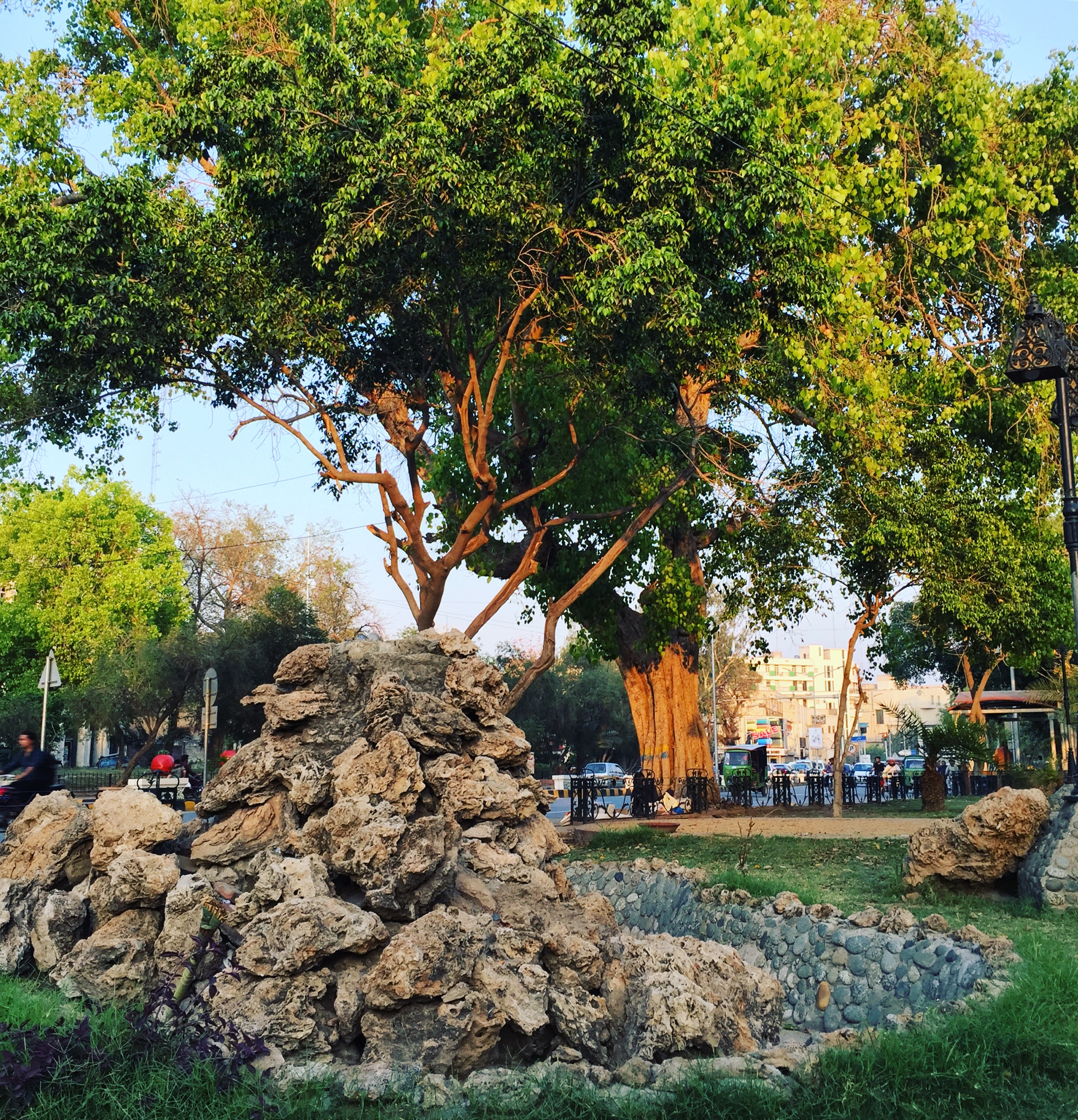
Bazaar
Shops in Anarkali sell textiles, garments, jewellery, and many other items. The bazaar is now divided into two sections: the 'Old Anarkali Bazaar' and the 'New Anarkali Bazaar'. The former is noted for its traditional food items, and the latter for its traditional handicraft and embroidery. Within the New Anarkali Baazaar are markets known as Bano Bazaar, Dhani Ram Road, Jan Muhammad Road, Aabkari Road, Paisa Akhbar, Urdu Bazar, Aibak Road and Paan Gali. New Anarkali Bazar is also famous for halwa puri of Ghosha-e-Shireen, Zafar & Imam Din; nihari of Waris and siri paye of Nasir.
The mausoleum of Sultan Qutb ud-Din Aibak of Mamluk Sultanate is also located in Anarkali Bazaar. In the early 1970s, the mausoleum was renovated on the orders of the then Prime Minister Zulfiqar Ali Bhutto.
Bibliography
- Nevile, Pran. Lahore: A Sentimental Journey. India, Penguin Books, 2006.
References
References
- Maneesha Tikekar. (2004). "The Anarkali Bazaar (Across the Wagah: An Indian's Sojourn in Pakistan)". Bibliophile South Asia.
- "Rekindling the Anarkali romance".
- "Hindu temple restored in Pakistan after Christian ‘owners’ evicted". The Independent.
- Katia Hetter. "25 of the world's most endangered places".
- "Anarkali Bazaar".
- "Legend: Anarkali: myth, mystery and history".
- Tikekar, Maneesha. (2004). "Across the Wagah: An Indian's Sojourn in Pakistan, Anarkali Bazaar". Bibliophile South Asia.
- "Anarkali Bazaar".
- (2014-09-07). "The Khawajas of Aibak Road".
This article was imported from Wikipedia and is available under the Creative Commons Attribution-ShareAlike 4.0 License. Content has been adapted to SurfDoc format. Original contributors can be found on the article history page.
Ask Mako anything about Anarkali Bazaar — get instant answers, deeper analysis, and related topics.
Research with MakoFree with your Surf account
Create a free account to save articles, ask Mako questions, and organize your research.
Sign up freeThis content may have been generated or modified by AI. CloudSurf Software LLC is not responsible for the accuracy, completeness, or reliability of AI-generated content. Always verify important information from primary sources.
Report