From Surf Wiki (app.surf) — the open knowledge base
Alternative hip-hop
Sub-genre of hip-hop
.jpg)
Sub-genre of hip-hop
| Field | Value | ||||||||
|---|---|---|---|---|---|---|---|---|---|
| name | Alternative hip-hop | ||||||||
| other_names | * Alternative rap | ||||||||
| * Backpack rap<ref>{{Cite web | last | Blair | first=Robert | date=2017-03-07 | title=What Happened To Backpack Rap? | url=https://www.hotnewhiphop.com/423889-what-happened-to-backpack-rap-news | access-date=2025-08-10 | website=HotNewHipHop | language=en}} |
| stylistic_origins | * Hip-hop | ||||||||
| cultural_origins | Mid-to-late 1980s, United States | ||||||||
| instruments | * Vocals | ||||||||
| derivatives | |||||||||
| subgenres | |||||||||
| other_topics | * Instrumental hip-hop |
- Backpack rap
- Alt rap
- funk
- jazz
- soul
- reggae
- conscious rap
- progressive rap
- turntables
- drum machine
- drums
- keyboard
- sampler
- bass guitar
- guitar
- synthesizer
- political hip-hop
- native tongues
- underground hip-hop
- chopped and screwed
- internet rap
- jerk rap
- memphis rap
- lowend
- hyphy
- trap metal
- plunderphonics
Alternative hip-hop (also known as alternative rap) is a subgenre of hip-hop defined by artists who reject the genre's traditional stereotypes, particularly those popularized by old-school hip-hop and gangsta rap. Originally emerging in the mid-to-late 1980s, the style was spearheaded by the Native Tongues collective in the East Coast which included acts like the Jungle Brothers, De La Soul, A Tribe Called Quest, X Clan, Brand Nubian, Pete Rock & CL Smooth, Monie Love, Queen Latifah and later Busta Rhymes and Mos Def. These artists emphasized positive-minded, good-natured Afrocentric lyrics, while pioneering and popularizing the use of eclectic sampling and jazz-influenced beats in hip-hop, drawing influences from political, progressive and conscious hip-hop artists such as Grandmaster Flash and Public Enemy.
During the 1990s, the alternative hip-hop movement expanded with West Coast artists such as the Pharcyde, Digital Underground, Souls of Mischief, Del the Funky Homosapien, Jurassic 5, Styles of Beyond and Freestyle Fellowship as well as certain Southern acts which included Arrested Development, Goodie Mob, and Outkast. The commercial and cultural momentum of the movement was impeded by the rise and popularity of West Coast gangsta rap, though experienced a degree of mainstream recognition through the success of the Fugees, De La Soul, A Tribe Called Quest, Outkast and Arrested Development. The Native Tongues movement inspired later alt rap artists such as the Roots, Lupe Fiasco, Digable Planets, Common, Little Brother, Black Eyed Peas, Dead Prez, Camp Lo, Jean Grae, Nappy Roots, Black Star, J Dilla, Lauryn Hill, MF Doom, Pharrell Williams, and Kanye West.
By the 2000s to 2010s, alternative hip-hop reattained its place within the mainstream through the "backpack rap" movement, which included the crossover success of artists such as Kanye West and Lupe Fiasco. Other artists included Hieroglyphics, Atmosphere, Aceyalone, Dilated Peoples and the Alchemist. Collectives such as Odd Future and Brockhampton emerged out of the movement, while alternative hip-hop evolved to encompass several trap-based internet rap genres.
Characteristics
During the commercial rise of hip hop in the 1980s and early 1990s, the popularity of hardcore hip-hop and gangsta rap led to themes of gangsterism, consumerism, and club culture becoming defining stereotypes of mainstream hip hop, with more negative stereotypes being related to homophobia, violence and sexism. Alternative hip-hop emerged largely to subvert, satirize or challenge these conventions, utilizing unconventional musical techniques, production, and sampling not commonly found in mainstream hip-hop at the time, while aligning itself with underground youth subcultures such as skaters, nerds, punks, and goths.
Artists often incorporated socially conscious, intellectual, or introspective lyricism, avoided profanity, while dismantling rap stereotypes on topics such as sexuality through androgynous fashion and styles, though early artists associated with the movement such as A Tribe Called Quest would also perpetuate some of these traditional stereotypes, with their song "Georgie Porgie", being rejected for being "too homophobic".
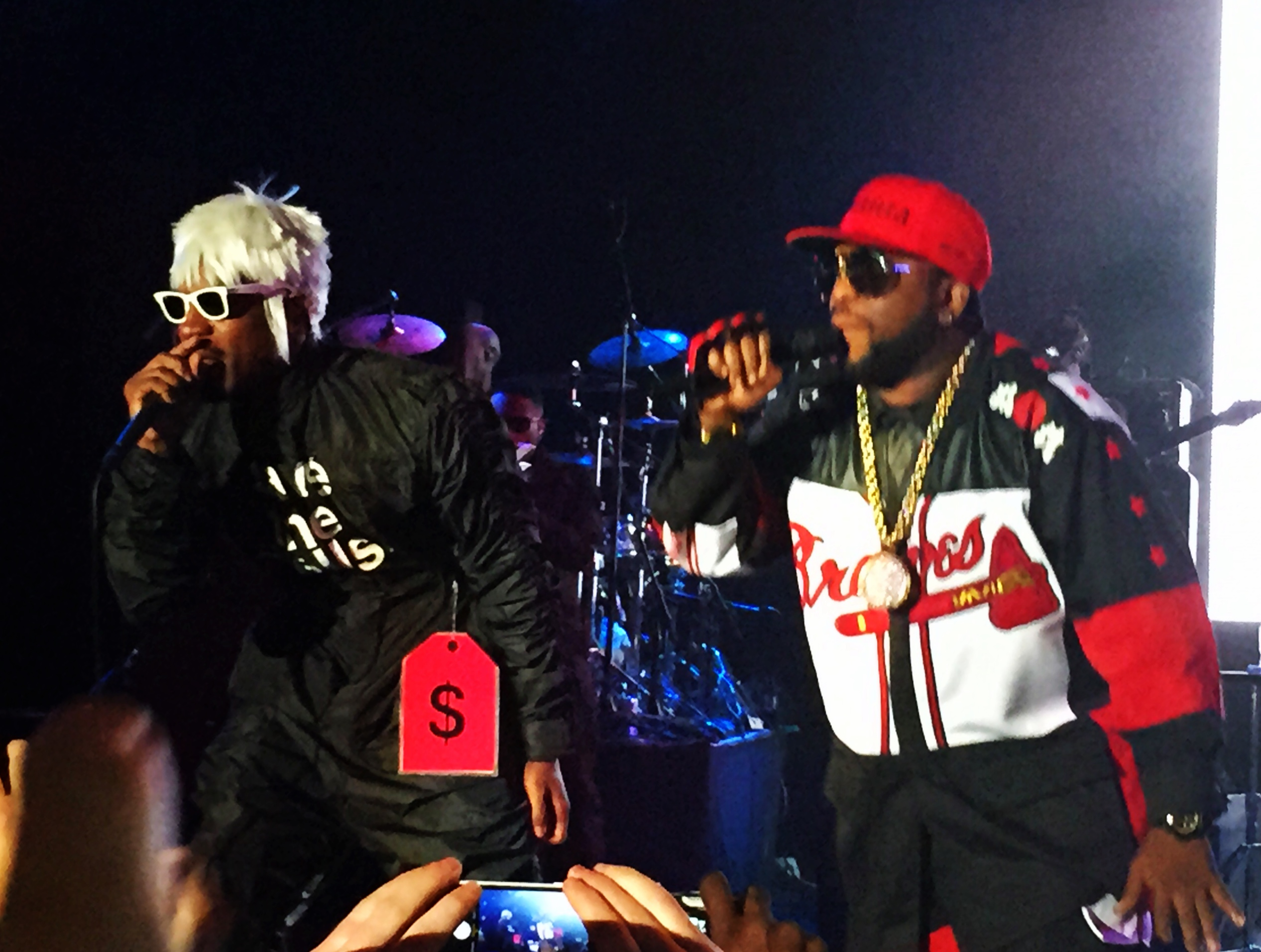
While some groups achieved commercial success, most alternative rap acts tended to be embraced largely by alternative rock listeners and indie music fans rather than hip-hop or pop audiences. In his 1995 book on the state of hip-hop culture, music critic Stephen Rodrick wrote that, at that time, alternative hip-hop had "drawn little more than barely concealed yawns from other rappers and urban audiences" and concluded that the subgenre was a failure in dismantling the mainstream consensus on hip-hop.
By the 2000s to 2010s, the stereotypes popularized by West Coast gangsta rap in the 1990s had become dominant in mainstream hip hop, prompting discussions about the genre's portrayal of violence, drugs and sexism as well as the commercial prioritization of these themes, which some critics argued perpetuated negative representations of African-American culture. However, artists emerging through the internet rap movement continued to carry the legacy of alternative hip-hop, through experimental production techniques and satirical lyrics.
History
1980s–1990s: Origins
Although hip-hop originally emerged from New York's underground music scene during the early 1970s, by the end of the decade, the genre began to gain wider mainstream attention through the prominence of disco-rap, which prompted artists to explore more experimental approaches to their work. In 1983, Rammellzee and K-Rob released the single "Beat Bop", which was produced and arranged by Jean-Michel Basquiat. Though it remained largely underground, the track was later described as a blueprint for the "apocalyptic, witty, and experimental" style of later alternative hip-hop artists.

By the late 1980s, in midst of the golden age of hip-hop, alternative hip-hop was headed primarily by the Native Tongues movement in the East Coast, artists such as Jungle Brothers, De La Soul, A Tribe Called Quest, Monie Love, X Clan, Queen Latifah while later including Busta Rhymes and Mos Def. Drawing influences from conscious and progressive rap artists like Grandmaster Flash, Pete Rock & CL Smooth and Brand Nubian as well as from the radical and militant political hip-hop group Public Enemy. While the West Coast helmed left-field hip-hop acts such as the Pharcyde, Digital Underground, Souls of Mischief, Del the Funky Homosapien, Jurassic 5, Styles of Beyond and Freestyle Fellowship as well as certain Southern acts such as Arrested Development, Goodie Mob, and Outkast. Similar to the alternative rock movement, alternative hip-hop segued into the mainstream at the dawn of the 1990s.
Arrested Development, along with the Fugees, stand as some of the first few alternative rap to be recognized by mainstream audiences. The classic debut albums 3 Feet High and Rising (1989), People's Instinctive Travels and the Paths of Rhythm (1990), and Bizarre Ride II the Pharcyde (1992) achieved minor commercial success as they garnered immense acclaim from music critics, who described the records as ambitiously innovative but playful masterpieces, hailing the artists as the future of hip-hop music as a whole. However, the alternative rap movement was soon overshadowed by the sudden rise of gangsta rap in the early 1990s, as artists like De La Soul were beginning to garner attention, music critic Chris Nickson recounts "De La Soul went from the front of the hip-hop pack to the back of an appealing and colorful dead-end street". The Native Tongues movement inspired later alt rap artists such as the Roots, Lupe Fiasco, Digable Planets, Common, Black Star, J Dilla, Lauryn Hill, MF Doom and Pharrell Williams.
Late 1990s–2000s
Contrary to alternative rock, which went on to become a mainstay in mainstream music and replaced the glam metal of the previous generation as the most popular form of rock music, alternative hip-hop's commercial momentum was impeded by the then also newly emerging, significantly harder-edged West Coast gangsta rap. With its aggressive tone, nihilistic tendencies, and violent imagery, gangsta rap was considered to be the more entertaining, more lucrative subgenre as signified by the high chart placings, radio success and multiplatinum-selling records of gangsta rappers such as Snoop Dogg, Warren G and N.W.A, who were widely embraced by major record labels and produced a legion of imitators. The situation changed around the mid-'90s with the emergence and mainstream popularity of East Coast hardcore rap artists such as Wu-Tang Clan, Nas, the Notorious B.I.G., and Mobb Deep. Following this development, many alternative rap acts eventually either disbanded or faded into obscurity.
A commercial breakthrough came about in the late 1990s with the rejuvenated interest in indie music by the general public due to the mainstream success of acts like the Fugees and Arrested Development, while acts such as Slum Village, Common, and the Roots were rising to prominence.
The Fugees saw huge critical and commercial success with the release of their second album, The Score, in 1996. The album peaked at number one on the US Billboard 200 chart, and briefly became the best-selling hip-hop album of all time. That same year, A Tribe Called Quest reached their commercial peak with the release of their album Beats, Rhymes and Life, which reached number one on the US Billboard 200 and became their best-selling release, while acts such as Outkast and De La Soul released some of their most definitive albums with Atliens and Stakes Is High.
Since the mid-1990s, independent record labels such as Rawkus Records, Rhymesayers Entertainment, Anticon, Stones Throw, Definitive Jux and QN5 have experienced lesser mainstream success with alternative rap acts such as CunninLynguists, Jurassic 5, Little Brother, Talib Kweli, MF Doom, Atmosphere, Antipop Consortium, Mos Def, Doomtree, Pharoahe Monch, El-P, Quasimoto, Living Legends, Cyne, Blue Scholars, and Aesop Rock. In the 2000s, alternative hip-hop reattained its place within the mainstream, due in part to the declining commercial viability of gangsta rap as well as the crossover success of artists such as Outkast, Kanye West, and Gnarls Barkley.
Outkast's fifth studio album, Speakerboxxx/The Love Below (2003) received universal acclaim from music critics and had two number-one hit singles. The album won a Grammy Award for Album of the Year—making it only the second hip-hop album to win the award (The Miseducation of Lauryn Hill being the first) and has been certified diamond by selling 11 times platinum by the Recording Industry Association of America (RIAA).
MF Doom had been on the come up in the underground scene after releasing his debut studio album, Operation: Doomsday (1999). He came back to the hip-hop scene after the dissolving of group KMD. Later, he and Madlib's 2004 project Madvillainy was released in this time period as the duo Madvillain. This album was praised by music critics and inspired other artists, such as Aminé and Joey Badass.
Gnarls Barkley experienced a surprise hit with their debut single, "Crazy". Due to high download sales, it reached number one in the single charts in several countries, including the United Kingdom, where it became the best-selling single of 2006. The song was named the best song of 2006 by both Rolling Stone and the Village Voice annual Pazz & Jop critics poll. Rolling Stone later ranked "Crazy" as the number-one song of the decade. The song has been certified double platinum by RIAA. The duo were the recipient of multiple accolades; at the 49th Grammy Awards, they won the awards for Best Urban/Alternative Performance and Best Alternative Music Album.
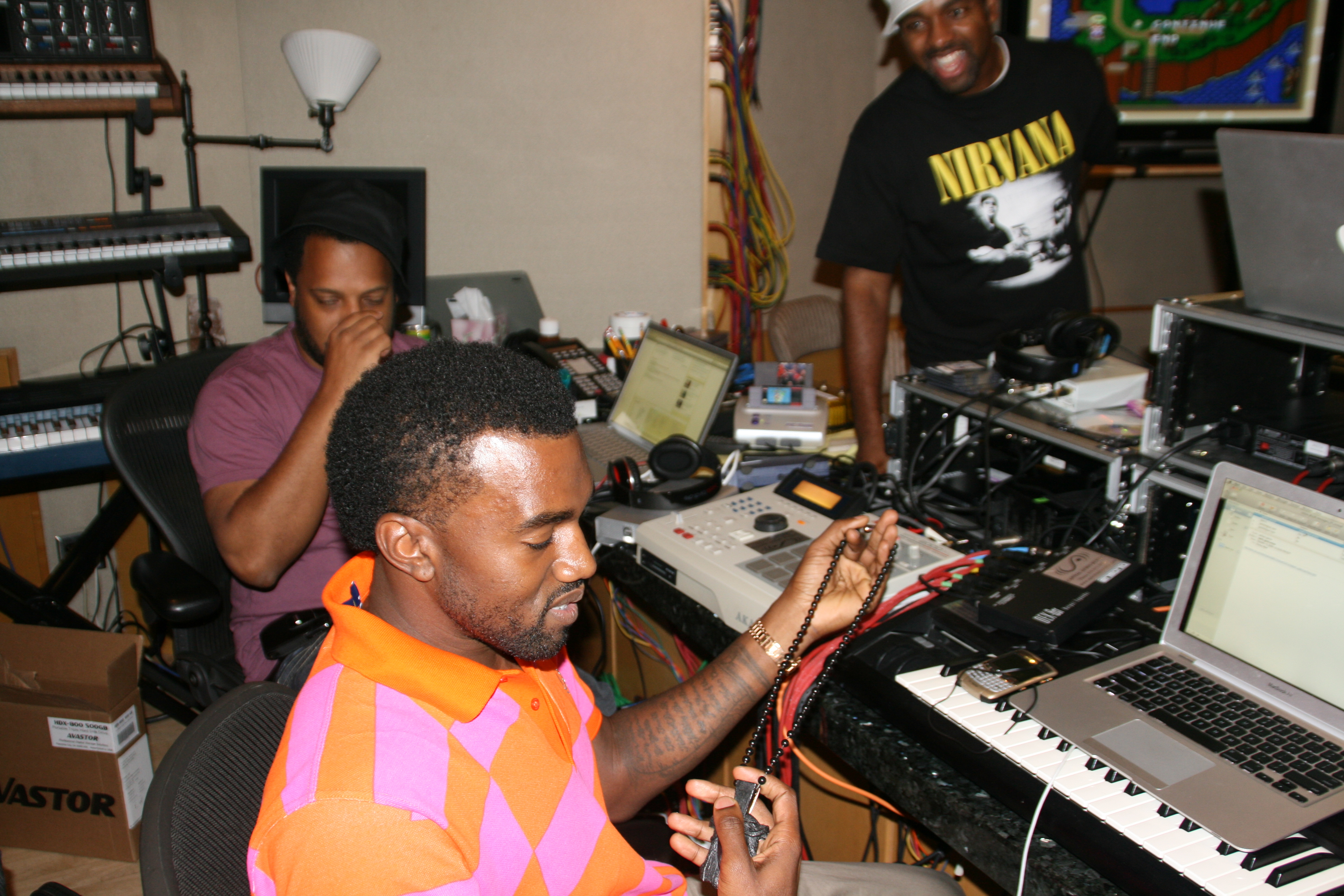
Industry observers view the 2007 sales competition between Kanye West's Graduation and 50 Cent's Curtis as a turning point for hip-hop. West emerged the victor, selling nearly a million copies in the first week alone. Ben Detrick of XXL credited the outcome of the sales competition with altering the direction of hip-hop and paving the way for new rappers who did not follow the hardcore-gangster mold, writing, "If there was ever a watershed moment to indicate hip-hop's changing direction, it may have come when 50 Cent competed with Kanye in 2007 to see whose album would claim superior sales. 50 lost handily, and it was made clear that excellent song crafting trumped a street-life experience. Kanye led a wave of new artists described as "backpack rap" these included acts such as Kid Cudi, Wale, Lupe Fiasco, Kidz in the Hall, Drake, Nicki Minaj, who lacked the interest or ability to create narratives about any past gunplay or drug-dealing." Similarly, in a retrospective article, Rosie Swash of The Guardian viewed the album's sales competition with 50 Cent's Curtis as a historical moment in hip-hop, writing that it "highlighted the diverging facets of hip-hop in the last decade; the former was gangsta rap for the noughties, while West was the thinking man's alternative."
2010s–2020s
Several artists and groups acknowledge being directly influenced by their 1990s predecessors in addition to alternative rock groups while their music has been noted by critics as expressing eclectic sounds, life experiences and emotions rarely seen in mainstream hip-hop. As traditional rock music continually becomes less synonymous with pop music, more left-of-center artists who are not fully embraced by hip-hop radio have increasingly found inclusion on alternative radio. According to Nielsen SoundScan, contemporary hip-hop acts who increasingly receive domestic airplay on alt-radio include Run the Jewels, Childish Gambino, Logic, Brockhampton, L.I.F.T. and nothing,nowhere. Regarding audiences, according to Jeff Regan, senior director of music programming for the Alt Nation channel on Sirius XM Radio, "This generation has maybe never even gone to a record store or CD store where there was a hip-hop section and a rock section—it has all been in front of them on a screen." Thus recording artists and groups traditionally perceived as rappers are included on his predominantly rock-oriented playlists. He said, "Whether it's Lil Peep or Brockhampton or Post Malone, we have tried records from all those artists. ... We need some depth perception in the music we're presenting. Whether it's done on a laptop or on an amp and a guitar, I just want to find something new—that's what alternative is supposed to be."
Reception and legacy
Alternative hip-hop is the recipient of consistent critical acclaim but is generally shunned by American mainstream media and widely regarded as commercially unappealing. It reached number 6 on the UK Singles Chart, becoming the longest record ever to reach the top 10 in the history of the British Charts. Over the years, multiple organizations representing African Americans such as the National Black Leadership Alliance and the National Congress of Black Women have released statements criticizing how urban radio stations refuse to play rap music that does not demean and degrade black women, shunning alternative hip-hop artists such as Arrested Development and Dead Prez. Q-Tip, frontman of the highly influential alternative rap group A Tribe Called Quest, had his sophomore solo effort, Kamaal the Abstract, shelved for nearly a decade after his record label deemed the genre-bending album as sounding uncommercial. Q-Tip said:
Similarly, BET refused to play "Lovin' It", the lead single of duo Little Brother's socio-politically charged concept album The Minstrel Show (2005), which provided a tongue-in-cheek critique of African-American pop culture, on the grounds that the group's music was "too intelligent" for their target audience.{{cite news |access-date = July 14, 2005 |archive-url = https://web.archive.org/web/20051127134155/http://www.hiphopdx.com/index/news/id.3516 |archive-date = November 27, 2005 |url-status = dead |access-date = July 14, 2006 |archive-url = https://web.archive.org/web/20060909032448/http://www.sohh.com/articles/article.php/7519 |archive-date = September 9, 2006 |url-status = dead
The alternative hip-hop movement is not limited solely to the United States, as genre-defying rappers such as Somali-Canadian poet K'naan and British artist M.I.A. have achieved worldwide recognition. K'naan's 2009 single "Wavin' Flag" reached number two on the Canadian Hot 100 while its various remixes topped the charts in several countries. Shing02 was chosen for rapping "Battlecry", the theme song of the hit hip-hop-influenced chanbara anime Samurai Champloo, which had music produced by Japanese jazz rap DJ Nujabes. Time magazine placed M.I.A in the Time 100 list of "World's Most Influential people" for having "global influence across many genres." Groups like the British virtual band Gorillaz also experienced mainstream popularity during this time, selling over 20 million albums total between the albums Gorillaz (2001) and Demon Days (2005). Today, due in part to the increasing use of social networking as well as online distribution, many alternative rap artists are finding acceptance by far-reaching audiences.
References
Bibliography
References
- Blair, Robert. (2017-03-07). "What Happened To Backpack Rap?".
- Arnold, Eric K.. (2008-08-03). "Backpack rappers embrace varied identities". SFGATE.
- "Jazz-Rap Music Genre Overview".
- Beaumont-Thomas, Ben. (2017-06-21). "Snoop Dogg's homophobia shows how old-school he truly is". The Guardian.
- Hope, Clover. (2012-03-05). "Men In Tights: Are Today's Rappers Dressing Too Feminine?".
- Majors, Evan. (2024-06-27). "No Homo: Redefining Masculinity in Hip-Hop".
- (26 June 2013). "A Tribe Called Quest f/ Brand Nubian "Georgie Porgie" - A Tribe Called Quest f/ Brand Nubian "Georgie Porgie" - 20 Horrible Songs Made By Great Rappers - Complex". Complex.
- Rodrick; pp. 115–116
- (2020-07-23). "The commodification of hip-hop culture and rap music".
- (2022-11-28). "Rap industry leaders say hip-hop should not be the 'scapegoat' for the growing violence".
- "Rap 1.0: A History of the Early Hip Hop Internet".
- Kramer, Kyle. (2017-11-07). "Lil Wayne Changed the Internet Forever".
- "Rap 1.0: A History of the Early Hip Hop Internet".
- Mullin, Kyle. (2021-08-09). "DaBaby steps: is hip-hop finally conquering homophobia?". The Guardian.
- Zaru, Deena. "Lil Nas X reflects on 'hyper-masculinity' in hip-hop: 'Change is happening'".
- Hadley, Sophie. (2014-08-01). "Delving Past Yung Lean and Deeper Into the World of Sad Rap".
- (May 14, 2004). "The Rammellzee: Bi-Conicals of the Rammellzee, PopMatters".
- (2017-06-02). "100 Greatest Hip-Hop Songs of All Time".
- "The conscious grooves of Native Tongues hip-hop artists".
- (May 25, 2013). "The 100 Best Native Tongues Songs".
- staff, Treble. (2016-04-14). "10 Essential Native Tongues tracks".
- "HOW THE NATIVE TONGUES ALTERED THE LANDSCAPE OF HIP-HOP".
- Pinn, Anthony. (2005). "Religion and Popular Culture in America". [[University of California Press]].
- Parker, Evelyn L.. (2003). "Trouble Don't Last Always: Emancipatory Hope Among African American Adolescents". [[Pilgrim Press]].
- Lynskey, Dorian. (2016-08-07). "Grandmaster Flash: 'Hip-hop's message was simple: we matter'". The Guardian.
- Abrams, Jonathan. (2022). "The Come Up: An Oral History of the Rise of Hip-Hop". [[Crown Publishing Group.
- Ellinwood, Pierce. (2021-05-15). "Native Tongues and the Black Atlantic: Hip-Hop in the Afrodiasporic Tradition". CLAMANTIS: The MALS Journal.
- {{usurped
- "Alternative Rap Music Genre Overview". [[All Media Guide]].
- "De La Soul's music catalog makes streaming debut - NBC Palm Springs".
- Shealey, Aneesah. "14 Beats: Alternative Rap – Fourteen East".
- (2018-08-09). "20 Rappers That Were Influenced by the Native Tongue Movement".
- Erlewine, Stephen. "De La Soul". [[AllMusic]].
- link. (November 6, 2007 . ''[[Rolling Stone]]''. Retrieved July 22, 2009.)
- [https://www.allmusic.com/subgenre/alternative-rap-ma0000012203 Alternative rap] {{Webarchive. link. (December 1, 2017 Retrieved 5 May 2022)
- Sfetcu, Nicolae. (2014-05-09). "American Music". Nicolae Sfetcu.
- (2021-06-02). "Lots of non-hip-hop fans groove to their complex beat, but they'll tell you their roots are firmly in the 'hood.".
- Kenney, Karen Latchana. (2008-01-01). "Cool Hip-Hop Music: Create & Appreciate What Makes Music Great!: Create & Appreciate What Makes Music Great!". ABDO Publishing Company.
- (2021-02-18). "Fugees' The Score Remains a Hip-Hop Oracle 25 Years Later: Classic Review".
- "Fugees".
- (2021-09-23). "Vibe – Google Books".
- (2013-11-19). "Beats, Rhymes And Life was A Tribe Called Quest's commercial peak—and first misstep".
- eddieokp. (2016-07-02). "De La Soul Reveal The Secret History Of 'Stakes Is High' On Its 20th Anniversary".
- Michel, Sia. (September 18, 2006). "Critics' Choice: New CD's". [[The New York Times]].
- (2022-05-10). "Alternative Hip-Hop Music: 5 Notable Alt Hip-Hop Artists – 2022 – MasterClass".
- "Diamond Awards". [[Recording Industry Association of America]].
- "Sound Field{{!}}What Do They Mean When They Call Hip Hop "Alternative"?{{!}}PBS".
- Spiess, Andrew. (2024-03-20). "20 Years of Madvillain's Endlessly Creative 'Madvillainy' » PopMatters".
- (2021-01-05). "MF Doom: Remembering Rap's Supervillain".
- [http://www.bbc.co.uk/radio1/chart/top40_2006.shtml Top 40 Singles of 2006] {{Webarchive. link. (January 16, 2007 , from BBC Radio 1 website)
- (December 8, 2006). "Rolling Stone : The 100 Best Songs of 2006".
- "Pazz & Jop 2006: Singles Winners". [[The Village Voice]].
- (7 April 2011). "500 Greatest Songs of All Time".
- "49th Annual Grammy Awards Winners List". [[Grammy Awards]].
- Blair, Robert. (2017-03-07). "What Happened To Backpack Rap?".
- Arnold, Eric K.. (2008-08-03). "Backpack rappers embrace varied identities". SFGATE.
- Detrick, Ben. (December 2010). "Reality Check". [[XXL (magazine).
- Swash, Rosie (June 13, 2011). [https://www.theguardian.com/music/2011/jun/13/kanye-vs-50-cent Kanye v 50 Cent] {{Webarchive. link. (August 26, 2016. ''[[The Guardian]]''. [[Guardian Media Group). Guardian News and Media Limited]]. Retrieved August 9, 2011.
- Hoard, Christian. (September 17, 2009). "Kid Cudi: Hip-Hop's Sensitive Soul".
- Unterberger, Andrew. (2019-01-10). "Why Alt-Radio Is Suddenly Embracing Hip-Hop".
- (2015-04-16). "Emmis Cancels Gary Byrds GBE On WLIB-AM". Black Star News.
- (October 15, 2018). "National Black Leadership Alliance & National Congress of Black Women Joint Statement".
- "Inventory: 11 Intriguing Lost Albums article on The A.V. Club".
- "OPEN Abstractions".
- Braxton, Greg. (June 4, 2008). "'Boondocks' creator Aaron McGruder to BET: %@*$% ^&!". [[Los Angeles Times]].
- Watanabe, Shinichiro. (2007). "ROMAN ALBUM: Samurai Champloo". Mangaglobe/Shimoigusa Champloos, [[Dark Horse Comics.
- "The 2009 – Time 100".
- "The 2009 Time 100".
- "Blur Album Sales".
- Cranford, Maddox. "The Rise of Experimental Hip-Hop".
- "100 Essential Experimental Hip Hop Albums".
- Arnold, Eric K.. "Backpack rappers embrace varied identities". SFGATE.

This article was imported from Wikipedia and is available under the Creative Commons Attribution-ShareAlike 4.0 License. Content has been adapted to SurfDoc format. Original contributors can be found on the article history page.
Ask Mako anything about Alternative hip-hop — get instant answers, deeper analysis, and related topics.
Research with MakoFree with your Surf account
Create a free account to save articles, ask Mako questions, and organize your research.
Sign up freeThis content may have been generated or modified by AI. CloudSurf Software LLC is not responsible for the accuracy, completeness, or reliability of AI-generated content. Always verify important information from primary sources.
Report