From Surf Wiki (app.surf) — the open knowledge base
Alternative country
Subgenre of country music
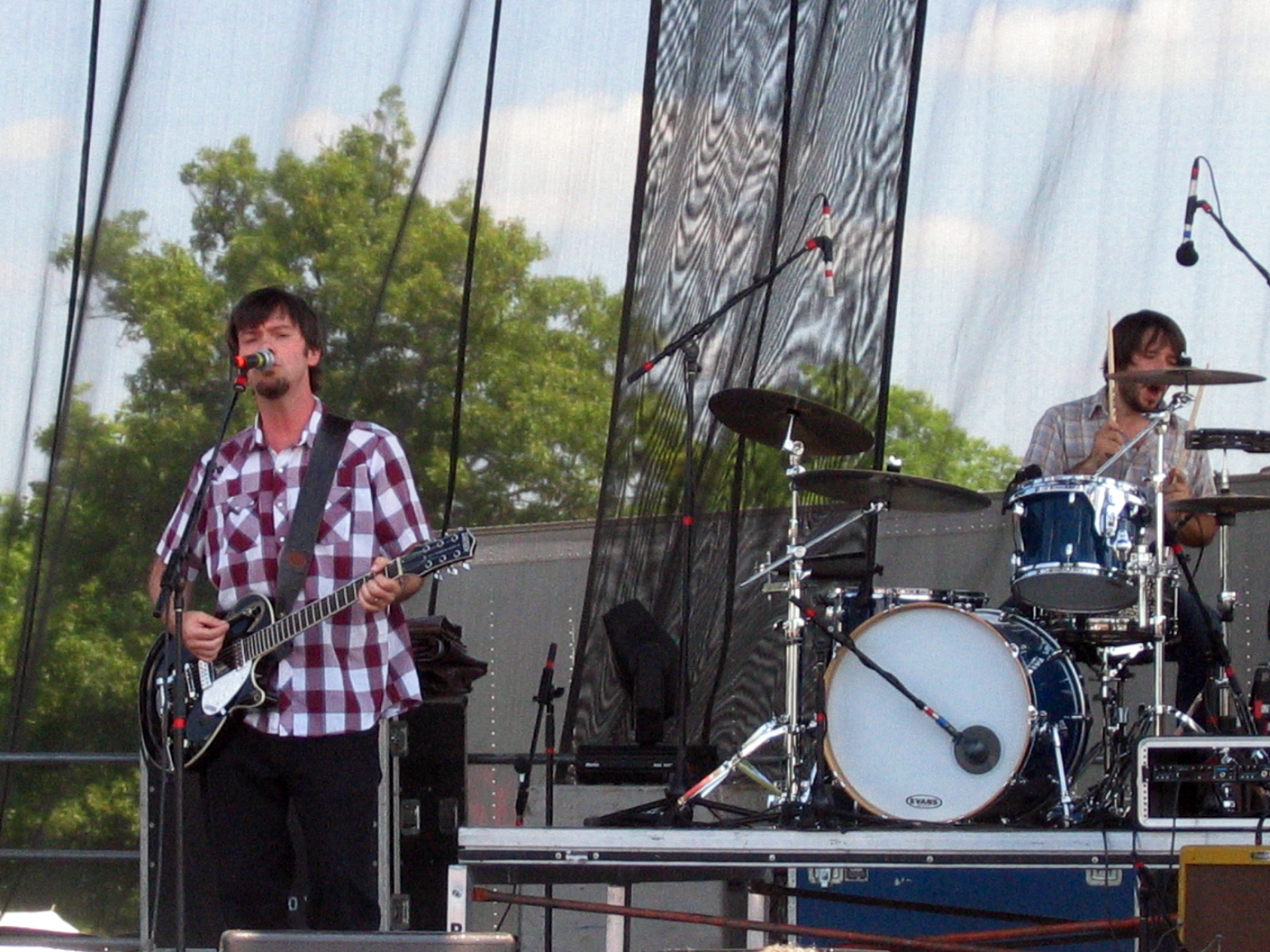
Subgenre of country music
| Field | Value |
|---|---|
| name | Alternative country |
| stylistic_origins | |
| cultural_origins | Late 20th century |
| other_topics | * Americana |
- cowpunk
- folk punk
- gothic country
- indie folk
- Southern rock
Alternative country (commonly abbreviated to alt-country; insurgent country, Americana, or y'allternative) is a loosely defined subgenre of country music that includes acts that differ significantly in style from mainstream country music, mainstream country rock, and country pop. Most frequently, the term has been used to describe certain country music bands and artists that are also defined as or have incorporated influences from genres such as alternative rock, indie rock, punk rock, heartland rock, Southern rock, progressive country, outlaw country, neotraditional country, Texas country, Red Dirt, roots rock, indie folk, folk rock, rockabilly, bluegrass, and honky tonk.
Definitions and characteristics
In the 1990s, the term alternative country, paralleling alternative rock, began to be used to describe a diverse group of musicians and singers operating outside the traditions and industry of mainstream country music. Lyrics may be bleak or socially aware, but also more heartfelt and less likely to use the clichés sometimes used by mainstream country musicians. In other respects, the musical styles of artists that fall within this genre often have little in common, ranging from traditional American folk music and bluegrass, through rockabilly and honky-tonk, to music that is indistinguishable from mainstream rock or country. This already broad labeling has been further confused by alternative country artists disavowing the movement, mainstream artists declaring they are part of it, and retroactive claims that past or veteran musicians are alternative country. No Depression, the best-known magazine dedicated to the genre, declared that it covered "alternative-country music (whatever that is)".
History
Alternative country drew on traditional American country music, the music of working people, preserved and celebrated by practitioners such as Woody Guthrie, Hank Williams, and the Carter Family, often cited as major influences. Another major influence was country rock, the result of fusing country music with a rock & roll sound. The third factor was punk rock, which supplied an energy and DIY attitude.
.jpg)
Attempts to combine punk and country had been pioneered by a number of bands prior to 1990, including Nashville's Jason and the Scorchers, San Francisco’s American Music Club, and the Minneapolis-based band the Jayhawks, along with the 1980s Southern Californian cowpunk scene with bands such as the Long Ryders and X. However, the "alt country" label did not gain popularity among music journalists until the release of Uncle Tupelo's 1990 LP No Depression, which has been credited as being the first "alt-country" album. It is also the namesake of the online notice board and eventually magazine that underpinned the movement. They released three more influential albums, signing to a major label, before they broke up in 1994, with members and figures associated with them going on to form three major bands in the genre: Wilco, Son Volt and Bottle Rockets. The bands Blue Mountain, Whiskeytown, Blood Oranges and Drive-By Truckers further developed this tradition before most began to move more in the direction of rock music in the 2000s.
References
;Notes
;Bibliography
- Alden, Grant; & Blackstock, Peter (1998). No Depression: An Introduction to Alternative Country Music. Whatever That Is. Dowling Pr. .
- Goodman, David (1999). Modern Twang: An Alternative Country Music Guide and Directory. Dowling Pr. .
- Hogeland, William (March 14, 2004), "Emulating the Real and Vital Guthrie, Not St. Woody", New York Times.
References
- Many eschewed the increasingly polished production values and pop sensibilities of the [[Nashville, Tennessee. Nashville]]-dominated industry for a more [[lo-fi music. lo-fi]] sound, frequently infused with a strong [[punk rock. 1-85828-534-8, p. 549.
- C. K. Wolfe and J. E. Akenson, ''Country Music Annual 2001'' (University Press of Kentucky, 2001), {{ISBN. 0-8131-0990-6, pp. 78–80.
- A. A. Fox, "Alternative to what?": O Brother, September 11 and the politics of country music", in C. K. Wolfe and J. E. Akenson, ''Country Music Goes to War'' (Lexington, KY: University Press of Kentucky, 2005), {{ISBN. 0-8131-2308-9, p. 164.
- G Smith, ''Singing Australian: a History of Folk and Country Music'' (Melbourne: Pluto Press Australia, 2005), {{ISBN. 1-86403-241-3, p. 134.
- K. Wolff and O. Duane, eds, ''Country Music: the Rough Guide'' (London: Rough Guides, 2000), {{ISBN. 1-85828-534-8, p. 396.
- W. C. Malone, ''Country Music, U.S.A.'' (Austin, TX: University of Texas Press, 2nd edn., 2002), {{ISBN. 0-292-75262-8, p. 451.
- Fechik, Mariel. (2020-05-07). "Interview: X's Exene Cervenka on LA Punk Legends' Return & New Album ''ALPHABETLAND''". Atwood Magazine.
- C. Smith, ''101 Albums That Changed Popular Music'' (Oxford: Oxford University Press, 2009), {{ISBN. 0-19-537371-5, pp. 204–9.
- M. Deming, [{{AllMusic
- K. Wolff and O. Duane, eds, ''Country Music: the Rough Guide'' (London: Rough Guides, 2000), {{ISBN. 1-85828-534-8, pp. 549–92.
This article was imported from Wikipedia and is available under the Creative Commons Attribution-ShareAlike 4.0 License. Content has been adapted to SurfDoc format. Original contributors can be found on the article history page.
Ask Mako anything about Alternative country — get instant answers, deeper analysis, and related topics.
Research with MakoFree with your Surf account
Create a free account to save articles, ask Mako questions, and organize your research.
Sign up freeThis content may have been generated or modified by AI. CloudSurf Software LLC is not responsible for the accuracy, completeness, or reliability of AI-generated content. Always verify important information from primary sources.
Report