From Surf Wiki (app.surf) — the open knowledge base
Alliance
Coalition made between two or more parties to secure common interests

Coalition made between two or more parties to secure common interests
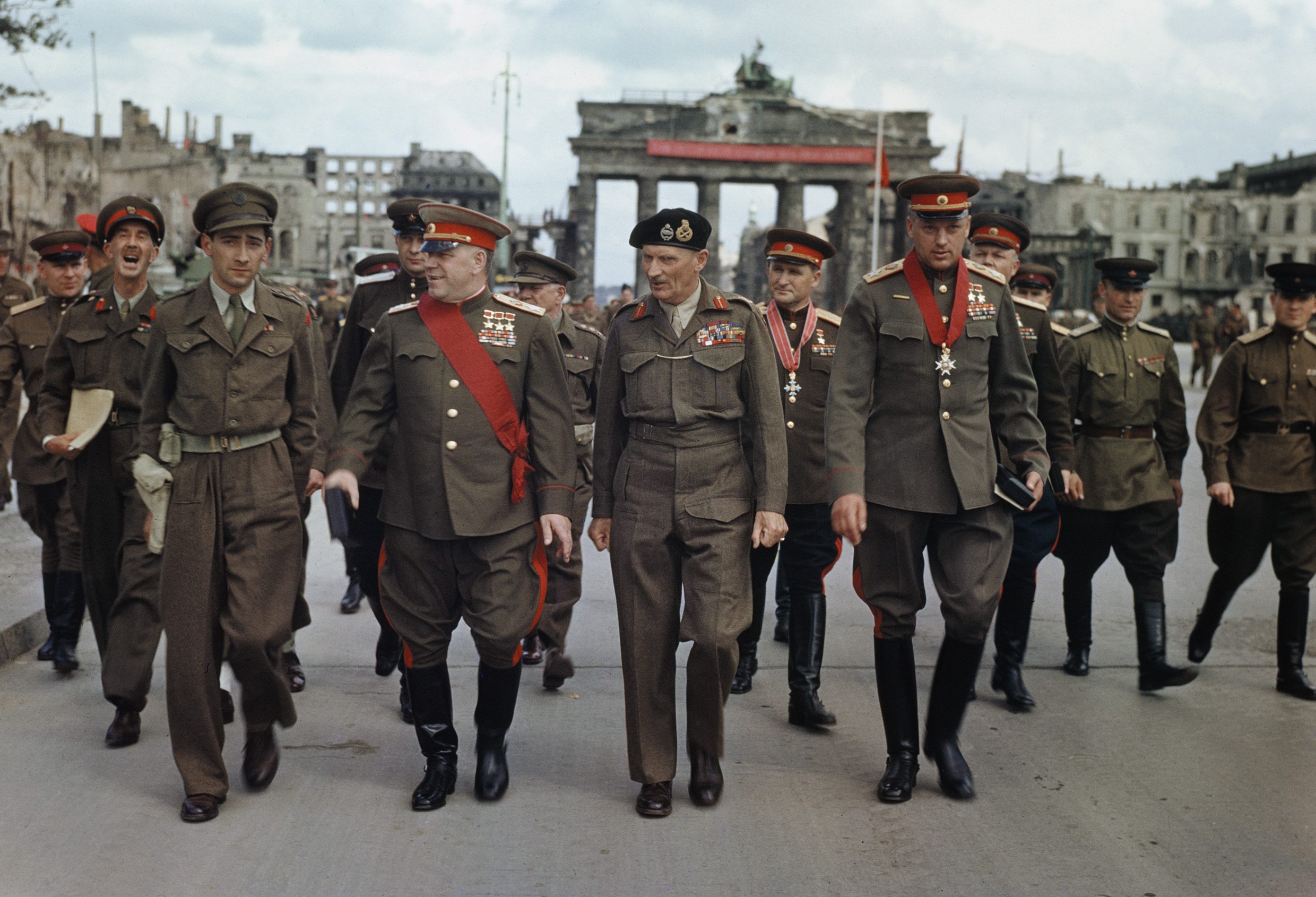
An alliance is a relationship among people, groups, or states that have joined together for mutual benefit or to achieve some common purpose, whether or not an explicit agreement has been worked out among them. Members of an alliance are called allies. Alliances form in many settings, including political alliances, military alliances, and business alliances.
Examples
When spelled with a capital "A", "the Allies" usually denotes the countries who fought together against the Central Powers in World War I (the Allies of World War I), or those who fought against the Axis Powers in World War II (the Allies of World War II).
In the second half of the 20th century, the Cold War was characterised by the intense rivalry between the military alliances of NATO and the Warsaw Pact, as each competed to expand and maintain their spheres of influence.
More recently, the term "Allied forces" has also been used to describe the coalition of the Gulf War, as opposed to forces the Multi-National Forces in Iraq which are commonly referred to as "Coalition forces" or, as by the George W. Bush administration, "the coalition of the willing".
At the onset of the 21st century, shifts in the global order led to the formation of new alliances rooted in ideological and historical precedents, exemplified by Brazil, Russia, India, China, and South Africa (BRICS). This alliance possesses a broad and vaguely defined agenda, with its members exhibiting varying degrees of commitment to and motivations for participating in this initiative. The inaugural BRICS meeting occurred in 2006. In 2023, the alliance expanded with the invitation of six new members—Argentina, Egypt, Ethiopia, Iran, Saudi Arabia, and the United Arab Emirates—and was rebranded as BRICS Plus.
Effects
Scholars are divided as to the impact of alliances. Several studies find that defensive alliances deter conflict. One study questions these findings, showing that alliance commitments deterred conflict in the prenuclear era but has no statistically meaningful impact on war in the postnuclear era. Another study finds that while alliance commitments deter conflict between sides with a recent history of conflict, alliances tend to provoke conflicts between states without such a history.
A 2000 study in the Journal of Conflict Resolution found that allies fulfill their alliance commitments approximately 75% of the time. Most research suggests that democracies are more reliable allies than non-democracies. A 2004 study did however question whether alliance commitments by democracies are more durable. A 2018 study updated and extended the data from the 2000 Journal of Conflict Resolution study and found that allies only fulfill their commitments about 50% of the time from 1816 to 2003. According to the study, "States honored their alliance commitments 66% of the time prior to 1945 but the compliance rate drops to 22% from 1945 to 2003. Moreover, the rates of fulfillment for defense pacts (41%) and nonaggression pacts (37%) are dramatically lower than offensive alliances (74%) and neutrality agreements (78%)."
One of the most profound effects of alliances can be seen in technological innovation, due to conduits of knowledge flows that are open between allies but closed between rivals.
International opinion
.png)
According to a 2017 poll by WIN/GIA, the United States was the most preferred ally internationally. Russia, Iran, North Korea, and China (CRINK), who preferred one another, both trailed America globally. Four countries, Bulgaria, Greece, Slovenia and Turkey, preferred Russia, despite being members of NATO.
In Pakistan, 72% of respondents preferred ties to China, the largest margin of any country surveyed, while 46% of Bangladesh preferred India. A total of 22 countries indicated a preference for the United Kingdom at a rate of 10% or more, but the United States was the only country to prefer Britain over any other, at a rate of 43%. Five countries preferred France at a rate of 10% or more, led by Belgium at a rate of 25%. A single country, Iraq, expressed no preference, while three other countries, Lebanon, Palestine, and Slovenia, expressed no preference at a rate of 11% or more, although at a smaller rate than their preference for Russia on the part of Lebanon and Slovenia, and China on the part of Palestine. Kosovo reported the most unified opinion, preferring the United States at a rate of 92%, while Russia's most unified supporters were Mongolia (71%), Armenia (67%) and Serbia (56%). In total, 21 countries expressed a preference for America at a rate of 50% or more.
| Country polled | Russia | United States | United Kingdom | China | India | France | none |
|---|---|---|---|---|---|---|---|
| Mongolia | |||||||
| Armenia | |||||||
| Serbia | |||||||
| Greece | |||||||
| China | |||||||
| Bulgaria | |||||||
| Ukraine | |||||||
| Slovenia | |||||||
| Latvia | |||||||
| Lebanon | |||||||
| Turkey | |||||||
| North Macedonia | |||||||
| Mexico | |||||||
| Peru | |||||||
| Iran | |||||||
| Bosnia and Herzegovina | |||||||
| Vietnam | |||||||
| India | |||||||
| Finland | |||||||
| Romania | |||||||
| South Africa | |||||||
| Albania | |||||||
| Kosovo | |||||||
| South Korea | |||||||
| Papua New Guinea | |||||||
| Israel | |||||||
| Philippines | |||||||
| Japan | |||||||
| Canada | |||||||
| Ghana | |||||||
| United Kingdom | |||||||
| Ecuador | |||||||
| Lithuania | |||||||
| Paraguay | |||||||
| Brazil | |||||||
| France | |||||||
| Spain | |||||||
| Denmark | |||||||
| Fiji | |||||||
| Norway | |||||||
| Australia | |||||||
| Poland | |||||||
| Germany | |||||||
| Italy | |||||||
| Nigeria | |||||||
| Portugal | |||||||
| Afghanistan | |||||||
| Iceland | |||||||
| Thailand | |||||||
| Argentina | |||||||
| Ireland | |||||||
| Indonesia | |||||||
| Czech Republic | |||||||
| Sweden | |||||||
| Estonia | |||||||
| Belgium | |||||||
| Austria | |||||||
| Congo DR | |||||||
| Palestine | |||||||
| United States | |||||||
| Iraq | |||||||
| Pakistan | |||||||
| Bangladesh | |||||||
| Russia |
References
Bibliography
References
- (2025-07-16). "Definition of THE ALLIES".
- (2025-07-09). "Cold War {{!}} Dates, Definition, Timeline, Summary, Era, & Facts {{!}} Britannica".
- Do Vale, Helder Ferreira, et al. "Member Countries' Level of Commitment to BRICS: Measurements and Propositions." Changing the Global Political Economy: BRICS Countries and Alternative Relations Strategies, edited by Ayfer Gedikli, et al., IGI Global, 2025, pp. 49–92. https://doi.org/10.4018/979-8-3693-7393-4.ch002
- (2014-10-01). "To Concede or to Resist? The Restraining Effect of Military Alliances". International Organization.
- (2016-11-10). "Theory, Data, and Deterrence: A Response to Kenwick, Vasquez, and Powers". The Journal of Politics.
- (2011-01-01). "Defense Pacts: A Prescription for Peace?1". Foreign Policy Analysis.
- Leeds, Brett Ashley. (2003-07-01). "Do Alliances Deter Aggression? The Influence of Military Alliances on the Initiation of Militarized Interstate Disputes". American Journal of Political Science.
- (2015-10-01). "Do Alliances Really Deter?". The Journal of Politics.
- (2016-11-10). "Defense Pacts and Deterrence: Caveat Emptor". The Journal of Politics.
- Morrow, James D.. (2016-11-10). "When Do Defensive Alliances Provoke Rather than Deter?". The Journal of Politics.
- Leeds, Brett Ashley. (2003-01-01). "Alliance Reliability in Times of War: Explaining State Decisions to Violate Treaties". International Organization.
- "Analysis {{!}} Allies can't rely on America like they used to. And not just because of Trump.". Washington Post.
- Gaubatz, Kurt Taylor. (1996-01-01). "Democratic states and commitment in international relations". International Organization.
- (2009-04-01). "Interests, Institutions, and the Reliability of International Commitments". American Journal of Political Science.
- (2004-10-01). "Why Democracies May Actually Be Less Reliable Allies". American Journal of Political Science.
- (2018). "Reassessing the fulfillment of alliance commitments in war". Research & Politics.
- (2017). "Innovation and Alliances". Review of Policy Research.
- (17 February 2017). "Four NATO Nations Would Pick Russia to Defend Them If Threatened".
- "42% от българите искат Русия да ги защитава, 17% - САЩ".
This article was imported from Wikipedia and is available under the Creative Commons Attribution-ShareAlike 4.0 License. Content has been adapted to SurfDoc format. Original contributors can be found on the article history page.
Ask Mako anything about Alliance — get instant answers, deeper analysis, and related topics.
Research with MakoFree with your Surf account
Create a free account to save articles, ask Mako questions, and organize your research.
Sign up freeThis content may have been generated or modified by AI. CloudSurf Software LLC is not responsible for the accuracy, completeness, or reliability of AI-generated content. Always verify important information from primary sources.
Report