From Surf Wiki (app.surf) — the open knowledge base
Afterdamp
Toxic gas mixture resulting from coal mining explosion
Toxic gas mixture resulting from coal mining explosion
Afterdamp is the toxic mixture of gases left in a mine following an explosion caused by methane-rich firedamp, which itself can initiate a much larger explosion of coal dust.{{cite encyclopedia | year = 1881 | title = After-damp
Etymology
The meaning of "damp" in this term, while most commonly understood to imply humidity, presents evidence of having been separated from that newer, irrelevant meaning at least by the first decade of the 18th century, where the original relevant meaning of "vapor" derives from a Proto-Germanic origin, dampaz, which gave rise to its immediate English predecessor, the Middle Low German damp (with no record of an Old English intermediary). The proto-Germanic dampaz gave rise to many other cognates, including the Old High German damph, the Old Norse dampi, and the modern German Dampf, the last of which still translates as "vapor".
Detection
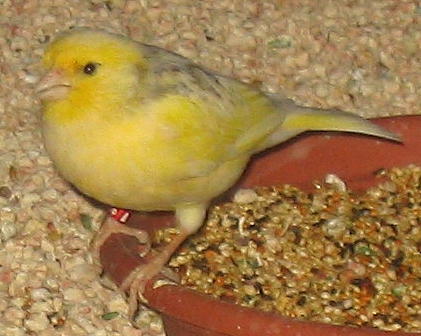
Animal sentinels, such as mice or canaries, are more sensitive to carbon monoxide than humans, so will give a warning to miners. Canaries were introduced into British collieries in the 1890s by John Scott Haldane, the noted physiologist. Gas detectors are available now which detect toxic gases such as carbon monoxide at very low levels. They are widely available to protect domestic premises. The levels of gas detection depend on the methods used.
References
References
- "Universal Colliery Explosion - Senghenydd - 1913".
- Harper, D. (n.d.). Etymology of fire-damp. Online Etymology Dictionary. Retrieved January 6, 2022, from [https://www.etymonline.com/word/fire-damp this link].
- Sonne, Ole. (2015). "[Canaries, germs, and poison gas. The physiologist J.S. Haldane's contributions to public health and hygiene]". Dansk Medicinhistorisk Arbog.
This article was imported from Wikipedia and is available under the Creative Commons Attribution-ShareAlike 4.0 License. Content has been adapted to SurfDoc format. Original contributors can be found on the article history page.
Ask Mako anything about Afterdamp — get instant answers, deeper analysis, and related topics.
Research with MakoFree with your Surf account
Create a free account to save articles, ask Mako questions, and organize your research.
Sign up freeThis content may have been generated or modified by AI. CloudSurf Software LLC is not responsible for the accuracy, completeness, or reliability of AI-generated content. Always verify important information from primary sources.
Report