From Surf Wiki (app.surf) — the open knowledge base
Addison Road, London
Street in the Royal Borough of Kensington and Chelsea

Street in the Royal Borough of Kensington and Chelsea
| Field | Value |
|---|---|
| name | Addison Road |
| native_name | |
| image | 67 Addison Road, London 03.jpg |
| image_alt | View of Addison Road |
| caption | A typical James Hall villa at 67 Addison Road |
| namesake | Joseph Addison (1672–1719), essayist and statesman |
| type | Street |
| location | Royal Borough of Kensington and Chelsea, London, England |
| postal_code | W14 |
| metro | Holland Park tube station |
| coordinates | |
| direction_a | North |
| terminus_a | Holland Park Avenue |
| direction_b | South |
| terminus_b | Kensington High Street |
| junction | Holland Park Gardens, Melbury Road, Holland Park Road |
| north | Addison Avenue |
| east | Woodsford Square |
| south | Warwick Gardens |
| west | Addison Crescent |
| construction_start_date | 1820s |
| inauguration_date | |
| known_for | Literary connections; expensive properties |
| website |
Addison Road is a road in London, England, which connects Kensington High Street with Notting Hill and Holland Park Avenue, and runs nearby to Holland Park. Along with nearby Ilchester Place and Holland Villas Road, it is often cited among London's most expensive residential roads.
To the east is Holland Park. To the west is Holland Road and West Kensington. A portion of the road forms part of the A3220 leading to Warwick Gardens south of the junction with Kensington High Street.
History and residents
The name of the road derives from the essayist and statesman Joseph Addison (1672–1719), as with Addison Avenue nearby.
The road was begun in the 1820s. The church of St Barnabas at No. 23 was built in 1829, designed by Lewis Vulliamy in a Tudor Gothic style, with later stained glass by Edward Burne-Jones (executed by Morris & Co.) and Byam Shaw. St James Norlands Church at the far end of Addison Avenue also designed by Vulliamy, was built in 1845.
Most houses on the west side of Addison Road were built by James Hall in the 1850s with similar proportions to those on Addison Crescent and Holland Villas Road.
Debenham House at 8 Addison Road was designed for Sir Ernest Debenham in 1905–6 by Halsey Ricardo. The Arts and Crafts-style house is an example of "structural polychromy". It includes Byzanto-Italianate grey bricks, Doulton Carrara ware, green-glazed bricks, and turquoise tiles. Inside, there is a dome and Arts and Crafts decoration. Today, the house is often used for filming purposes. Although no longer privately owned, it is estimated to be worth between £40–50 million.
Kensington Station, now Kensington (Olympia), was named 'Addison Road' station from 1869 to 1916 until the London & Southwestern Railway's Richmond to Waterloo service via Shepherd's Bush was discontinued.
Addison Road is home to the Cardinal Vaughan Memorial School, a Roman Catholic boys' school (which permits entry to girls in its Sixth Form).
Notable Residents
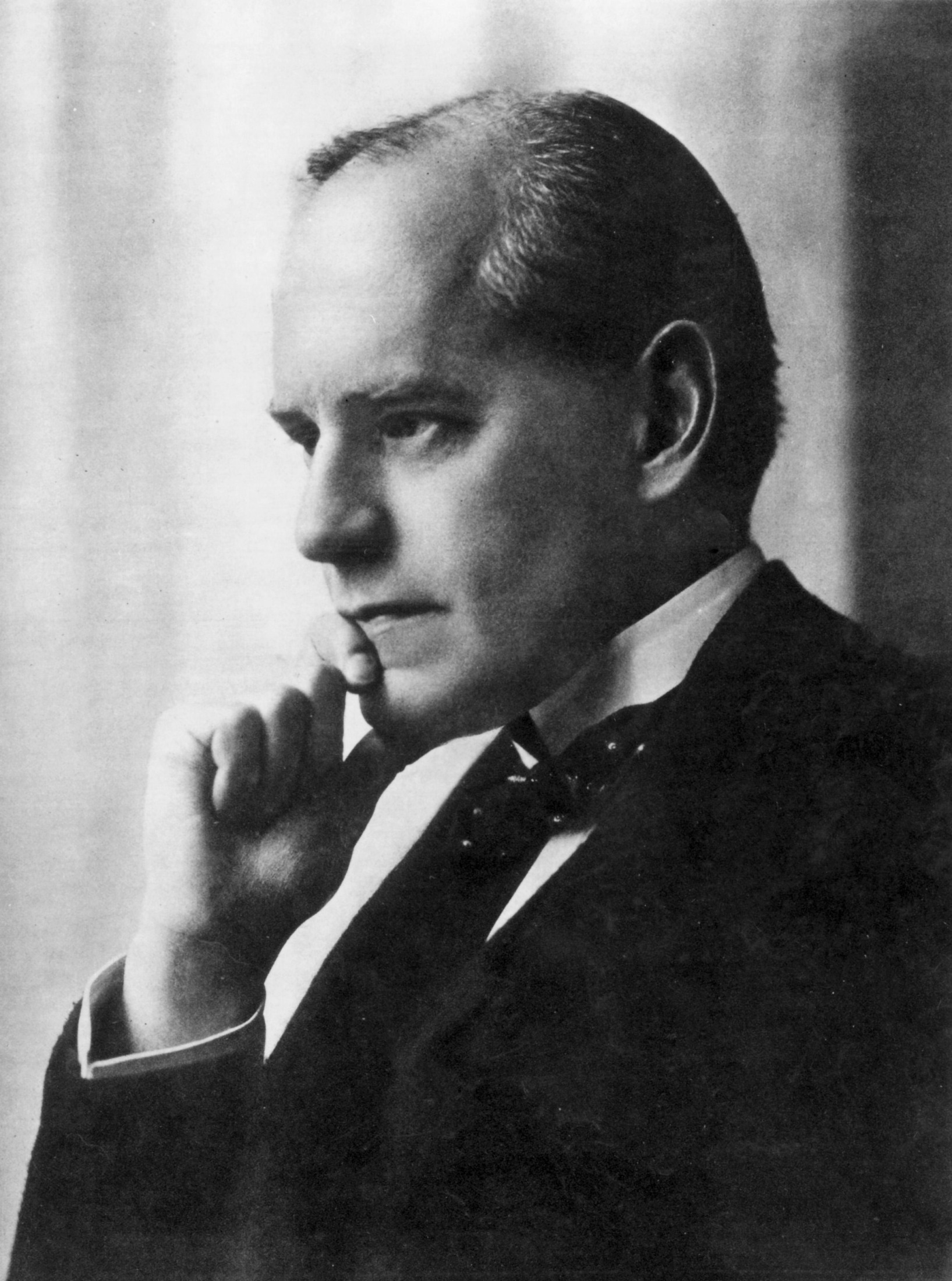
The novelist and playwright John Galsworthy lived at 14 Addison Road from 1905 to 1913, as did Joseph Conrad and Radclyffe Hall at other times. Other notable inhabitants have included: Chaim Weizmann, the first President of the State of Israel, who lived at No. 67 between 1916 and 1919; David Lloyd George, who resided at No. 2 between 1928 and 1936; James Locke, who is credited with giving Tweed its name, and the architect Eustace Balfour.
References
References
- (1983). "The London Encyclopaedia". [[Macmillan Publishers.
- "Addison Road Guide — Holland Park, London W14".
- Miller, Claire. (2016-02-02). "Britain's most expensive homes have been revealed - are any in your area?".
- [http://www.britainexpress.com/London/Addison-Road.htm Addison Avenue, W14], ''[http://www.britainexpress.com/London/London-Encyclopaedia.htm The London Encyclopaedia]'', [[Pan MacMillan]] / [http://www.britainexpress.com/ Britain Express].
- link. (24 October 2012 , In "The Holland estate: Since 1874", ''Survey of London: volume 37: Northern Kensington'', pp. 126–150. [http://www.british-history.ac.uk/ British History], [[English Heritage]], 1973.)
- "The Holland estate: To 1874 {{!}} British History Online".
- link. (24 October 2012 . In "The Holland estate: Since 1874", ''Survey of London: volume 37: Northern Kensington'', pp. 126–150. [http://www.british-history.ac.uk British History], [[English Heritage]], 1973.)
- "David Lloyd George's house at 2 Addison Road". Historic England.
This article was imported from Wikipedia and is available under the Creative Commons Attribution-ShareAlike 4.0 License. Content has been adapted to SurfDoc format. Original contributors can be found on the article history page.
Ask Mako anything about Addison Road, London — get instant answers, deeper analysis, and related topics.
Research with MakoFree with your Surf account
Create a free account to save articles, ask Mako questions, and organize your research.
Sign up freeThis content may have been generated or modified by AI. CloudSurf Software LLC is not responsible for the accuracy, completeness, or reliability of AI-generated content. Always verify important information from primary sources.
Report