From Surf Wiki (app.surf) — the open knowledge base
Acute-phase protein
Class of proteins involved in inflammation
Class of proteins involved in inflammation
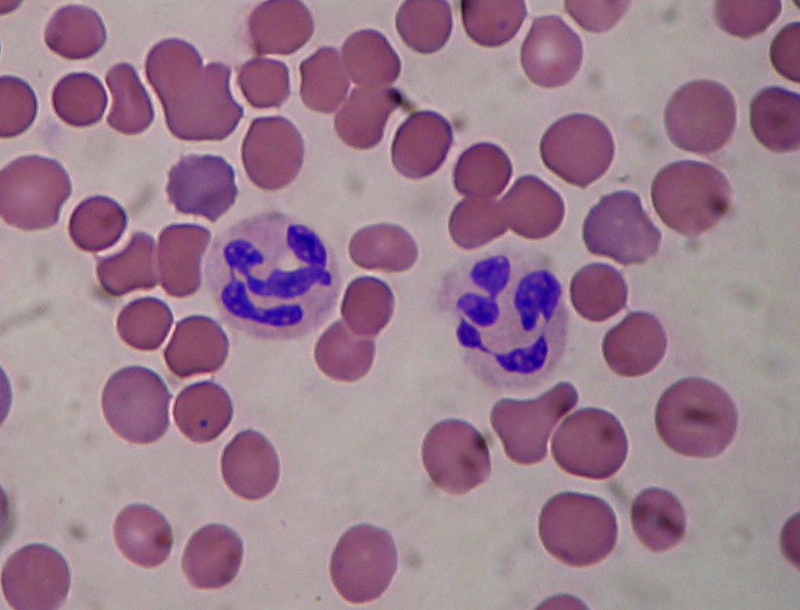
Acute-phase proteins (APPs) are a class of proteins whose concentrations in blood plasma either increase (positive acute-phase proteins) or decrease (negative acute-phase proteins) in response to inflammation. This response is called the acute-phase reaction (also called acute-phase response). The acute-phase reaction characteristically involves fever, acceleration of peripheral leukocytes, circulating neutrophils and their precursors. The terms acute-phase protein and acute-phase reactant (APR) are often used synonymously, although some APRs are (strictly speaking) polypeptides rather than proteins.
In response to injury, local inflammatory cells (neutrophil granulocytes and macrophages) secrete a number of cytokines into the bloodstream, most notable of which are the interleukins IL1, and IL6, and TNF-α. The liver responds by producing many acute-phase reactants. At the same time, the production of a number of other proteins is reduced; these proteins are, therefore, referred to as "negative" acute-phase reactants. Increased acute-phase proteins from the liver may also contribute to the promotion of sepsis.
Regulation of synthesis
TNF-α, IL-1β and IFN-γ are important for the expression of inflammatory mediators such as prostaglandins and leukotrienes, and they also cause the production of platelet-activating factor and IL-6. After stimulation with proinflammatory cytokines, Kupffer cells produce IL-6 in the liver and present it to the hepatocytes. IL-6 is the major mediator for the hepatocytic secretion of APPs. Synthesis of APP can also be regulated indirectly by cortisol. Cortisol can enhance expression of IL-6 receptors in liver cells and induce IL-6-mediated production of APPs.
Positive
Positive acute-phase proteins serve (as part of the innate immune system) different physiological functions within the immune system. Some act to destroy or inhibit growth of microbes, e.g., C-reactive protein, mannose-binding protein, complement factors, ferritin, ceruloplasmin, serum amyloid A and haptoglobin. Others give negative feedback on the inflammatory response, e.g. serpins. Alpha 2-macroglobulin and coagulation factors affect coagulation, mainly stimulating it. This pro-coagulant effect may limit infection by trapping pathogens in local blood clots. Also, some products of the coagulation system can contribute to the innate immune system by their ability to increase vascular permeability and act as chemotactic agents for phagocytic cells.
| Protein | Immune system function | C-reactive protein | Serum amyloid P component | Serum amyloid A | Complement factors | Mannan-binding lectin | Fibrinogen, prothrombin, factor VIII, | ||||||||||||||||||||
|---|---|---|---|---|---|---|---|---|---|---|---|---|---|---|---|---|---|---|---|---|---|---|---|---|---|---|---|
| von Willebrand factor | Plasminogen activator inhibitor-1 (PAI-1) | Alpha 2-macroglobulin | Ferritin | Hepcidin | Ceruloplasmin | Haptoglobin | Orosomucoid | ||||||||||||||||||||
| (Alpha-1-acid glycoprotein, AGP) | Alpha 1-antitrypsin | Alpha 1-antichymotrypsin | Lipopolysaccharide binding protein (LBP) | ||||||||||||||||||||||||
| 0-7817-9543-5}}. . Page 182 (not an acute-phase reactant in mice) | |||||||||||||||||||||||||||
| Opsonin | |||||||||||||||||||||||||||
| Opsonization, lysis and clumping of target cells. Chemotaxis | |||||||||||||||||||||||||||
| Mannan-binding lectin pathway of complement activation | |||||||||||||||||||||||||||
| Coagulation factors, trapping invading microbes in blood clots. | |||||||||||||||||||||||||||
| Some cause chemotaxis | |||||||||||||||||||||||||||
| Prevents the degradation of blood clots by inhibiting tissue Plasminogen Activator (tPA) | |||||||||||||||||||||||||||
| author=Skaar EP | title=The battle for iron between bacterial pathogens and their vertebrate hosts. | journal=PLOS Pathog | year= 2010 | volume= 6 | issue= 8 | article-number= e1000949 | pmid=20711357 | doi=10.1371/journal.ppat.1000949 | pmc=2920840 | doi-access=free }} | |||||||||||||||||
| Stimulates the internalization of ferroportin, preventing release of iron bound by ferritin within intestinal enterocytes and macrophages | |||||||||||||||||||||||||||
| Oxidizes iron, facilitating for ferritin, inhibiting microbe iron uptake | |||||||||||||||||||||||||||
| Binds hemoglobin, inhibiting microbe iron uptake and prevents kidney damage | |||||||||||||||||||||||||||
| Steroid carrier | |||||||||||||||||||||||||||
| Serpin, downregulates inflammation | |||||||||||||||||||||||||||
| Serpin, downregulates inflammation | |||||||||||||||||||||||||||
| Attaches to bacterial LPS, evoke immune responses via pattern recognition receptors |
Negative
"Negative" acute-phase proteins decrease in inflammation. Examples include albumin, transferrin,
While the production of C3 (a complement factor) increases in the liver, the plasma concentration often lowers because of an increased turn-over, therefore it is often seen as a negative acute-phase protein.
Clinical significance
Measurement of acute-phase proteins, especially C-reactive protein, is a useful marker of inflammation in both medical and veterinary clinical pathology. It correlates with the erythrocyte sedimentation rate (ESR), however not always directly. This is due to the ESR being largely dependent on the elevation of fibrinogen, an acute phase reactant with a half-life of approximately one week. This protein will therefore remain higher for longer despite the removal of the inflammatory stimuli. In contrast, C-reactive protein (with a half-life of 6–8 hours) rises rapidly and can quickly return to within the normal range if treatment is employed. For example, in active systemic lupus erythematosus, one may find a raised ESR but normal C-reactive protein.They may also indicate liver failure.
References
References
- (January 2011). "Acute-phase proteins: As diagnostic tool". Journal of Pharmacy & Bioallied Sciences.
- (2012). "Basic immunology Functions and Disorders of the Immune System". Saunders/Elsevier.
- (Jun 2009). "Acute-phase responsiveness of mannose-binding lectin in community-acquired pneumonia is highly dependent upon MBL2 genotypes". Clin Exp Immunol.
- Lippincott's Illustrated Reviews: Immunology. Paperback: 384 pages. Publisher: Lippincott Williams & Wilkins; (July 1, 2007). Language: English. {{ISBN. 0-7817-9543-5. {{ISBN. 978-0-7817-9543-2. Page 182
- (December 1993). "Alpha-2-macroglobulin functions as an inhibitor of fibrinolytic, clotting, and neutrophilic proteinases in sepsis: studies using a baboon model". Infection and Immunity.
- Skaar EP. (2010). "The battle for iron between bacterial pathogens and their vertebrate hosts.". PLOS Pathog.
- (August 2009). "ER stress controls iron metabolism through induction of hepcidin". Science.
- (2001). "Essential roles of CD14 and lipopolysaccharide-binding protein for activation of toll-like receptor (TLR)2 as well as TLR4 Reconstitution of TLR2- and TLR4-activation by distinguishable ligands in LPS preparations". Eur. J. Biochem..
- (1999). "Reference distributions for the negative acute-phase serum proteins, albumin, transferrin, and transthyretin: a practical, simple and clinically relevant approach in a large cohort". J. Clin. Lab. Anal..
- (October 1999). "Serum transferrin receptor assay in iron deficiency anaemia and anaemia of chronic disease in the elderly". QJM.
- (2005). "Serum acute-phase protein level as indicator for liver failure after liver resection". Hepatogastroenterology.
This article was imported from Wikipedia and is available under the Creative Commons Attribution-ShareAlike 4.0 License. Content has been adapted to SurfDoc format. Original contributors can be found on the article history page.
Ask Mako anything about Acute-phase protein — get instant answers, deeper analysis, and related topics.
Research with MakoFree with your Surf account
Create a free account to save articles, ask Mako questions, and organize your research.
Sign up freeThis content may have been generated or modified by AI. CloudSurf Software LLC is not responsible for the accuracy, completeness, or reliability of AI-generated content. Always verify important information from primary sources.
Report