From Surf Wiki (app.surf) — the open knowledge base
Absolute (perfumery)
Aromatic plant extract used in perfume
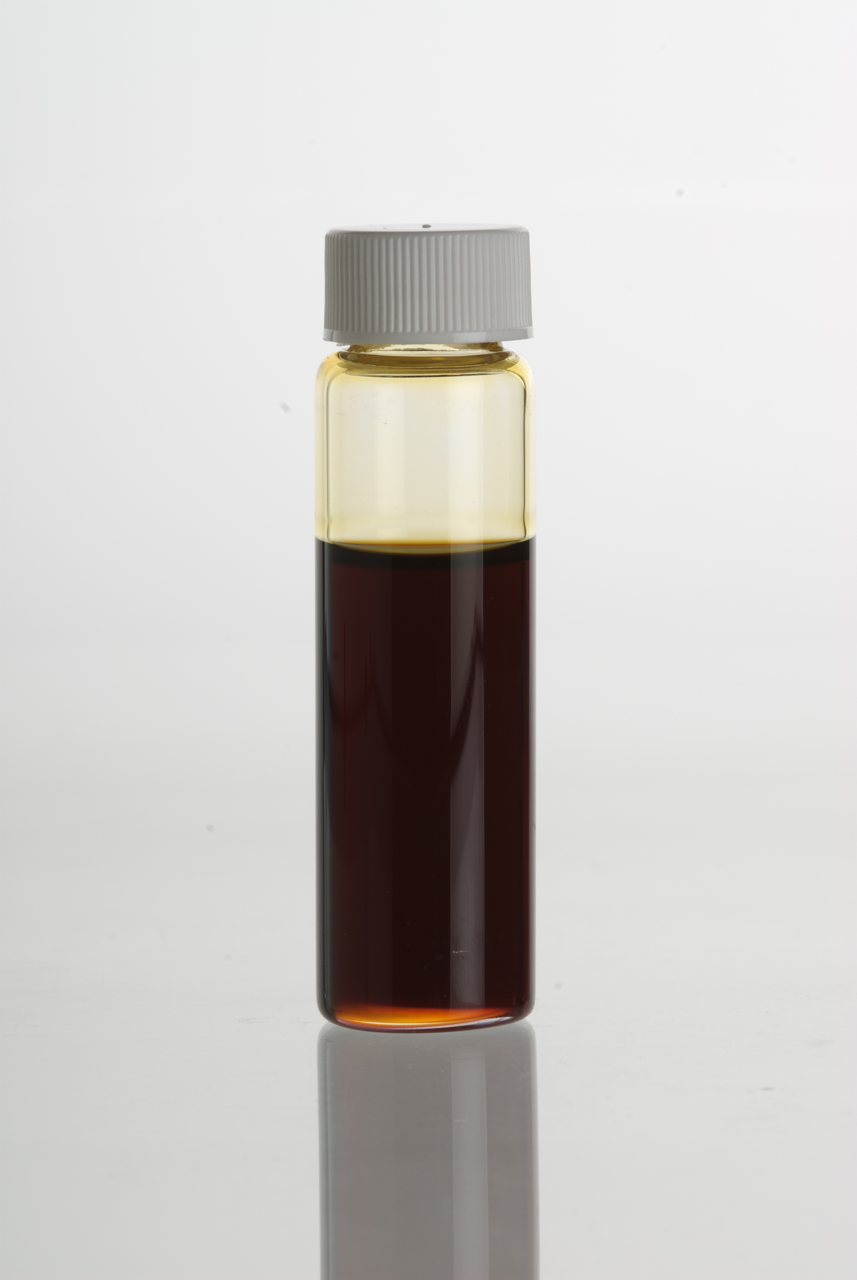
Aromatic plant extract used in perfume
Used in perfumery and aromatherapy, absolutes are similar to essential oils, but having a higher concentration (up to 80–90% of aromatic substances) and lower volatility. They are concentrated, highly aromatic, oily mixtures extracted from plants. Whereas essential oils are produced by distillation, boiling, or pressing, absolutes are produced through solvent extraction, or more traditionally, through enfleurage.
Production
First, plant material is extracted with a hydrocarbon solvent, such as hexane, to yield concrete. The concrete is then extracted with ethanol. The ethanol extract is cooled (e.g., to −15 °C) to solidify waxes, and cold filtered to yield a liquid extract. When the ethanol evaporates, an oil—the absolute—is left behind.
Traditionally, the absolute was obtained by enfleurage, where the resulting pomade was extracted with ethanol to yield the absolute.
Character and use
Some raw materials are either too delicate or too inert to be steam-distilled and can only yield their aroma through solvent extraction. Examples of these are jasmine and beeswax. Absolutes in demand include rose, jasmine, tuberose, jonquil, ylang-ylang, mimosa, boronia, lavender, lavandin, geranium, clary sage, violet, oakmoss, tonka bean.
Rose oil, jasmine absolute, tuberose absolute, tobacco absolute, orris root oil, ambrette seeds oil, angelica root oil, and orange flower oil are valuable and expensive fragrance and flavor ingredients.
Residual solvents may remain in the absolutes. Therefore, some absolutes are considered undesirable for aromatherapy.
References
References
- "Абсолюты в парфюмерии. Что это такое и как получают абсолюты?".
- K. Hüsnü Can Başer. (2013). "Kirk-Othmer Chemical Technology of Cosmetics".
- (2021). "Chemical profile and sensory evaluation of Bulgarian rose (Rosa damascena Mill.) aroma products, isolated by different techniques". Journal of Essential Oil Research.
- (2016). "Insight into the aroma profile of Bulgarian tobacco absolute oil". Industrial Crops and Products.
- Karl-Georg Fahlbusch. (2007). "[[Ullmann's Encyclopedia of Industrial Chemistry]]". Wiley.
This article was imported from Wikipedia and is available under the Creative Commons Attribution-ShareAlike 4.0 License. Content has been adapted to SurfDoc format. Original contributors can be found on the article history page.
Ask Mako anything about Absolute (perfumery) — get instant answers, deeper analysis, and related topics.
Research with MakoFree with your Surf account
Create a free account to save articles, ask Mako questions, and organize your research.
Sign up freeThis content may have been generated or modified by AI. CloudSurf Software LLC is not responsible for the accuracy, completeness, or reliability of AI-generated content. Always verify important information from primary sources.
Report