From Surf Wiki (app.surf) — the open knowledge base
20-meter band
Amateur radio frequency band
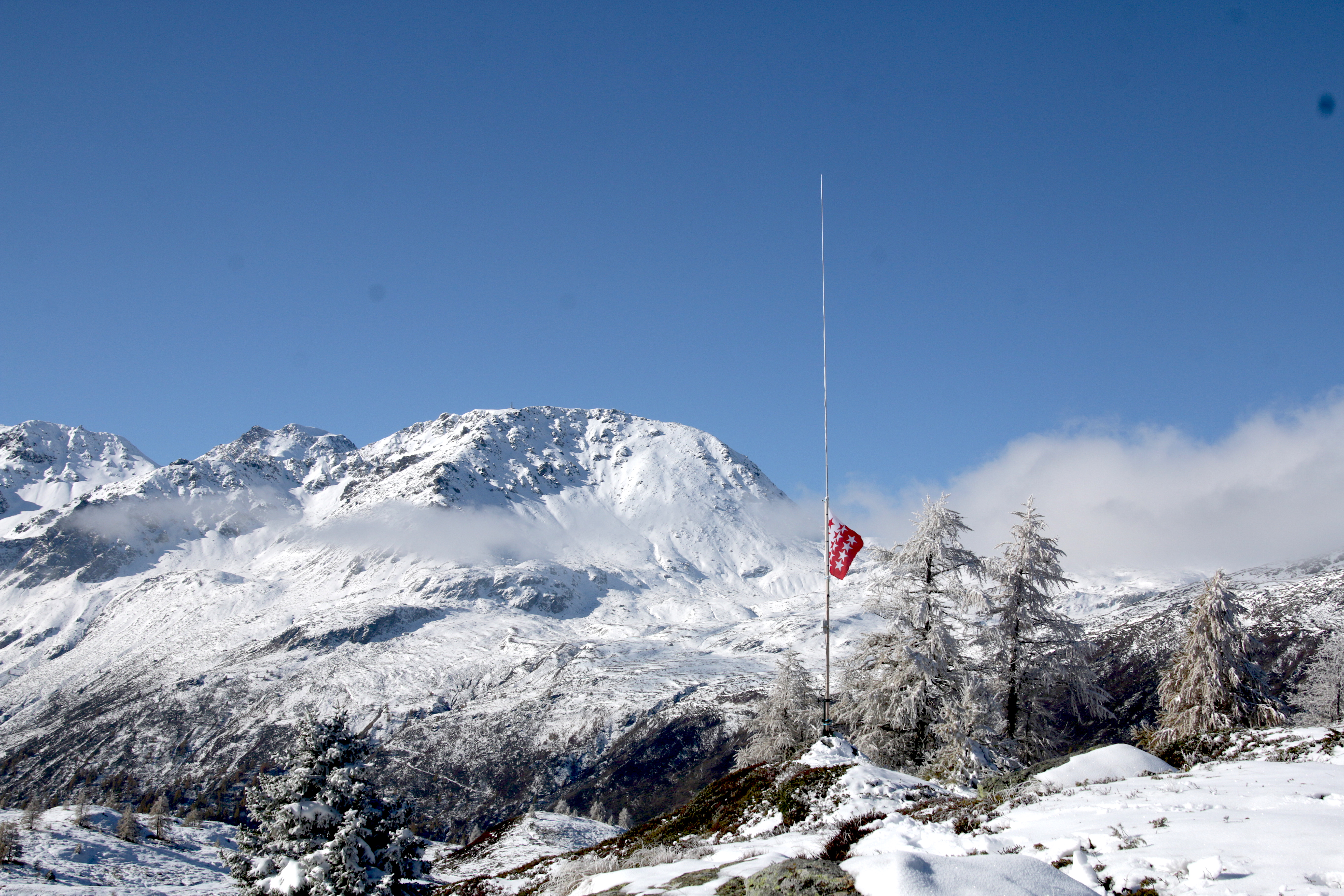
Amateur radio frequency band
The 20-meter or 14-MHz amateur radio band is a portion of the shortwave radio spectrum, comprising frequencies stretching from 14.000 MHz to 14.350 MHz. The 20-meter band is widely considered among the best for long-distance communication (DXing), and is one of the most popular—and crowded—during contests. Several factors contribute to this, including the band's large size, the relatively small size of antennas tuned to it (especially as compared to antennas for the 40-meter band or the 80-meter band) and its good potential for daytime DX operation even in unfavorable propagation conditions.
History
The Third National Radio Conference was responsible for opening up the 20-meter band to amateur radio operators in the US on October 10, 1924. The band was allocated on a worldwide basis by the International Radiotelegraph Conference in Washington, D.C., on October 4, 1927. Its frequency allocation was then 14–14.4 MHz. The allocation was reduced to 14–14.35 MHz by the International Radio Conference of Atlantic City, New Jersey 1947.
Band plans
IARU Region 1
Europe, Africa, Middle East and Northern Asia
| 20 meters | 14000–14070 | 14070–14099 | 14099–14101 | 14101–14350 |
|---|---|---|---|---|
| IARU Region 1 |
IARU Region 2
The Americas
| 20 meters | 14000–14070 | 14070–14099 | 14099–14101 | 14101–14350 |
|---|---|---|---|---|
| IARU Region 2 |
IARU Region 3
Asia-Pacific
| 20 meters | 14000–14070 | 14070–14099 | 14099–14101 | 14101–14112 | 14112–14350 |
|---|---|---|---|---|---|
| IARU Region 3 |
United States
Effective 12:01 a.m. EST, February 23, 2007
| 20 meters | 14000–14350 | 14000–14025 | 14025–14150 | 14150–14175 | 14175–14225 | 14225–14350 |
|---|---|---|---|---|---|---|
| United States | ||||||
| General | ||||||
| Advanced | ||||||
| Extra |
Canada
Canada is part of region 2 and as such is subject to the IARU band plan. Radio Amateurs of Canada offers the bandplan below as a recommendation for use by radio amateurs in that country but it does not have the force of law and should only be considered a suggestion or guideline.
| License class | 14.000–14.070 | 14.070–14.095 | 14.095–14.0995 | 14.0995–14.1005 | 14.1005–14.112 | 14.112–14.350 |
|---|---|---|---|---|---|---|
| Basic(+), Advanced |
Japan
Changed on September 25, 2023.
| License class | 14000–14070 | 14070–14100 | 14100–14350 |
|---|---|---|---|
| 1st and 2nd | narrow-band All modes |
Key
| CW]], phone and image |
|---|
References
References
- (2012-03-05). "Frequency Allocations". Arrl.org.
- "The ARRL Operating Manual". [[American Radio Relay League]].
- (2005). "The ARRL Handbook For Radio Communications". [[American Radio Relay League]].
- (October 6–10, 1924). "Recommendations for Regulation of Radio Adopted by the Third National Radio Conference". Govt. Print. Off..
- (25 November 1927). "INTERNATIONAL RADIOTELEGRAPH CONVENTION AND GENERAL AND SUPPLEMENTARY REGULATIONS.". INTERNATIONAL RADIOTELEGRAPH CONVENTION OF WASHINGTON, 1927.
- "RADIO REGULATIONS ANNEXED TO THE INTERNATIONAL TELECOMMUNICATION CONVENTION (ATLANTIC CITY, 1947)".
- "IARU Regions". International Amateur Radio Union (IARU).
- "RAC MF/HF Band Plan".
This article was imported from Wikipedia and is available under the Creative Commons Attribution-ShareAlike 4.0 License. Content has been adapted to SurfDoc format. Original contributors can be found on the article history page.
Ask Mako anything about 20-meter band — get instant answers, deeper analysis, and related topics.
Research with MakoFree with your Surf account
Create a free account to save articles, ask Mako questions, and organize your research.
Sign up freeThis content may have been generated or modified by AI. CloudSurf Software LLC is not responsible for the accuracy, completeness, or reliability of AI-generated content. Always verify important information from primary sources.
Report