From Surf Wiki (app.surf) — the open knowledge base
1960s decor
Style of interior decoration
Style of interior decoration
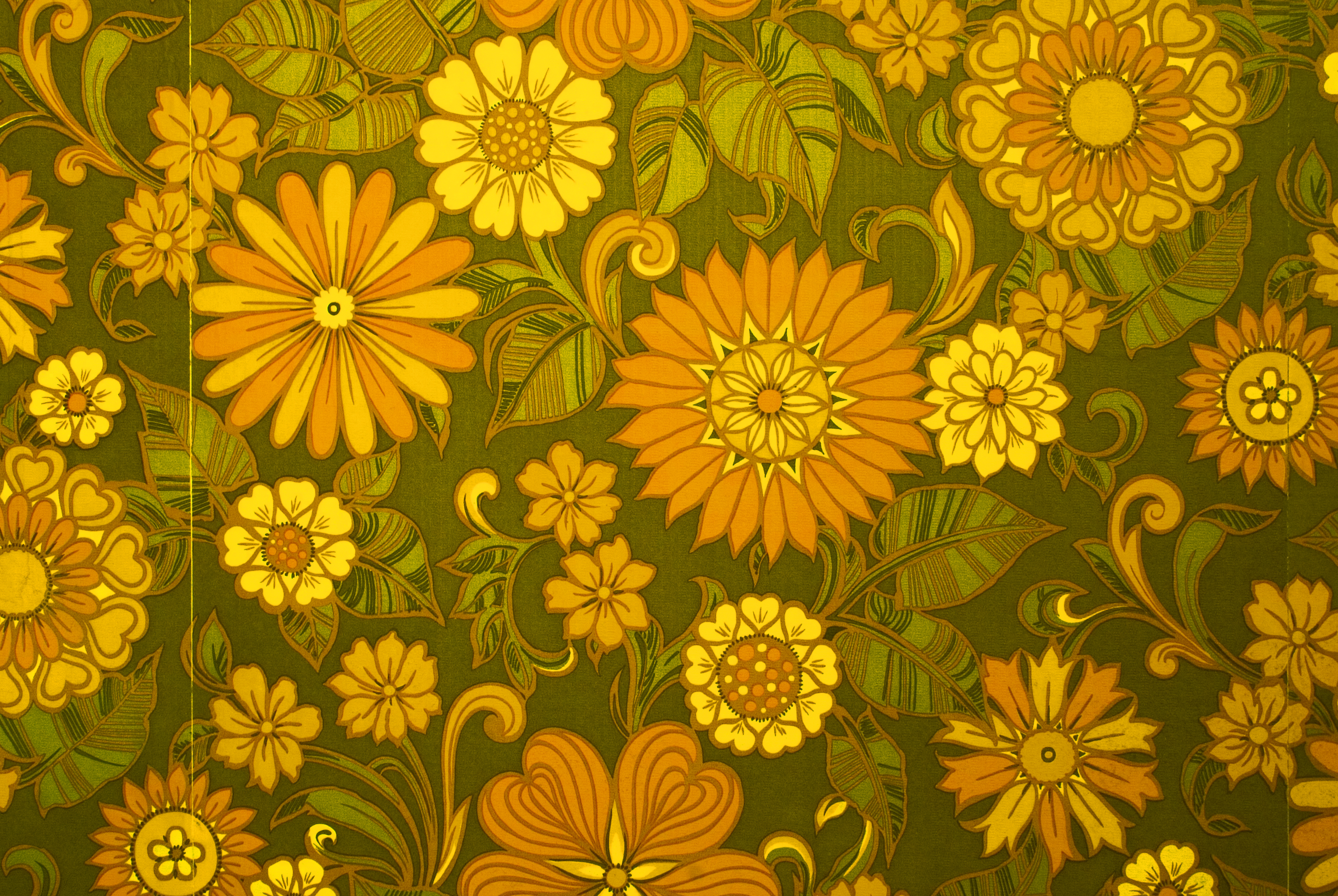
1960s décor refers to a distinct style of interior decoration that became prominent in the 1960s and early 1970s. Green, (such as pea green and drab), yellow, pink, and orange (such as peach and saffron) hues were popular for wallpaper, carpets, curtains, sofas, chair seats, and cushions, often with patterns or bright flowers. English decorator David Hicks was an important influence on interiors in the 1960s, inspired by bright colours associated with India. Hicks popularized use of "psychedelic patterns and acid-edged colors," peaking in the period 1967–1973, a time when there was interest in the Hippie movement and "flower power." In the same era, Dorothy Draper, one of Manhattan's top interior decorators of the 1960s, used 'dull' white and 'shiny' black as one of her favorite combinations.
The "Retro Modern" style is associated with the decades of the 1950s and 1960s. As a furniture material, polypropylene, which was manufactured in colors that could be matched to paint chips, came into its own. Foam molding, mostly used as upholstery cushions, became a basic structural unit for furniture in the early 1960s. Large areas, such as sofas, beds, carpets, drapes and wallcovers, were covered in vibrant colors and patterns. Employing "psychedelic intensity", the colors and styles were influenced by India, Spain, and the Mediterranean.
In the 1950s and 1960s, specialized patterns in wall painting were developed. Sherwin-Williams manufactured an Applique system and similar systems were manufactured by Karl Höhn, also Reuss, in Germany.
Many hotels and restaurants retain their décor from the 1960s or specifically employ Sixties-style features to give them a more nostalgic sensibility. Pink or orange paintwork, bedspreads, and curtains, which were fashionable in the 1960s, however, were considered by some to be "hideous" or "painful" by the early 2000s. As Paul Evans put it, "For many the popular image of 1960s home design was of ephemerality and excess, of plastic or paper chairs and lurid carpets and wallpaper." By the 2020s, however, many of these previously-loathed styles and colors came back into fashion with movements such as cottagecore, spread on social media platforms such as TikTok.
Television series from the era, such as The Avengers, Batman, The Man from U.N.C.L.E, Bewitched, The Saint, and Randall and Hopkirk (Deceased) provide fine examples of the type of décor popular during this period and are an important aspect of the look of the productions; for the latter, orange hues are included in the title design.
List of Major Contributing Designers
- Verner Panton
- Charles and Ray Eames
- Eero Saarinen
- Peter Max
- Alexander Girard
- Maija Isola
- David Hicks
- Celia Birtwell
- Hans Krondahl
- Lily Goddard
- Andy Warhol
- Vuokko Nurmesniemi
- Lucienne Day
- Jack Lenor Larsen
- Bernat Klein
- Dorothy Liebes
- Franco Scalamandré
- Marianne Straub
- Terence Conran
- Mary White
- Bob Hieronimus
- Wes Wilson
References
References
- (Jan–Feb 2009). "Old House Interiors". Home Buyer Publications.
- Vargas-Cooper, Natasha. (1 August 2010). "Mad Men Unbuttoned: A Romp Through 1960s America". HarperCollins.
- (1 October 2009). "Interior Design Innovators 1910-1960". Fehrman Books.
- Nielson, Karla J.. (10 July 2007). "Interior Textiles: Fabrics, Application, and Historic Style". John Wiley & Sons.
- (November 23, 1955). "Sherwin-Williams Home Decorator 1955". Sherwin-Williams Company.
- "Hersteller für Musterwalzen aus Nürnberg: Karl Reuss".
- (7 August 2006). "Pauline Frommer's Italy". John Wiley & Sons.
- Bainbridge, James. (1 April 2009). "Turkey". Lonely Planet.
- Fitzpatrick, Mary. (1 May 2010). "Mozambique". Lonaely Planet.
- Ward, Greg. (1 August 2003). "Brittany and Normandy". Rough Guides.
- (30 November 2006). "Ecuador & the Galápagos Islands". Lonely Planet.
- Evans, Paul. (23 August 2011). "The 1960s Home". Osprey Publishing.
- Heathcote, Edwin. (March 20, 2021). "What is cottagecore? 'Your grandma but, like, hip'".
This article was imported from Wikipedia and is available under the Creative Commons Attribution-ShareAlike 4.0 License. Content has been adapted to SurfDoc format. Original contributors can be found on the article history page.
Ask Mako anything about 1960s decor — get instant answers, deeper analysis, and related topics.
Research with MakoFree with your Surf account
Create a free account to save articles, ask Mako questions, and organize your research.
Sign up freeThis content may have been generated or modified by AI. CloudSurf Software LLC is not responsible for the accuracy, completeness, or reliability of AI-generated content. Always verify important information from primary sources.
Report