From Surf Wiki (app.surf) — the open knowledge base
1930 Whitechapel and St Georges by-election
UK parliamentary by-election

UK parliamentary by-election
The 1930 Whitechapel and St George's by-election was a parliamentary by-election held on 3 December 1930 for the British House of Commons constituency of Whitechapel and St George's in the Metropolitan Borough of Stepney.
Vacancy
The seat had become vacant when the constituency's Labour Member of Parliament (MP), Harry Gosling, died on 24 October 1930. He had been MP for the seat since a 1923 by-election.
Electoral history
The constituency was a Labour/Liberal marginal that had been won by Labour at every election from 1922 onwards. Usually the Unionists had not fielded a candidate but intervened at the last election, helping to split the anti-Labour vote and give Labour its biggest ever win here; Electorate 35,996
Candidates
The Labour candidate was 53-year-old J. H. Hall. He was contesting his first parliamentary election. He was an Alderman of neighbouring Stepney Borough Council, and was employed as a foreman by the Port of London Authority.{{cite news
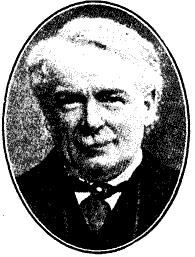
The Liberal candidate selected on 3 November 1930 was 38-year-old Barnett Janner. He had been Liberal candidate for Cardiff Central at the 1929 election, where he had finished third. Later in the year he moved to Hendon, north London, and took up employment as company secretary and solicitor for his father-in-law's business. In 1926 he was elected to the Board of Deputies of British Jews, and subsequently became a member of the executive of the English Zionist Federation.
The Conservative Party candidate was 24 years old Loel Guinness. He had contested the seat for the Conservatives in the 1929 general election.
The Communist candidate was 40-year-old Harry Pollitt, the Party's new General Secretary. He had stood against the Prime Minister, Ramsay MacDonald, at Seaham in the 1929 general election.
Campaign
Although the Liberal Party was not expecting to overturn such a large Labour majority, they hoped to do well enough in the by-election to help encourage the party in the rest of the country. Lloyd George ensured that the Liberal's campaign was sufficiently funded through the 'Lloyd George Fund'.
Janner campaigned in opposition to the government's policy on Palestine. On 20 October 1930, the Labour government's Passfield white paper was issued, which proposed the introduction of severe restrictions on Jewish immigration to Palestine. This went down particularly well in the Whitechapel area of the constituency.

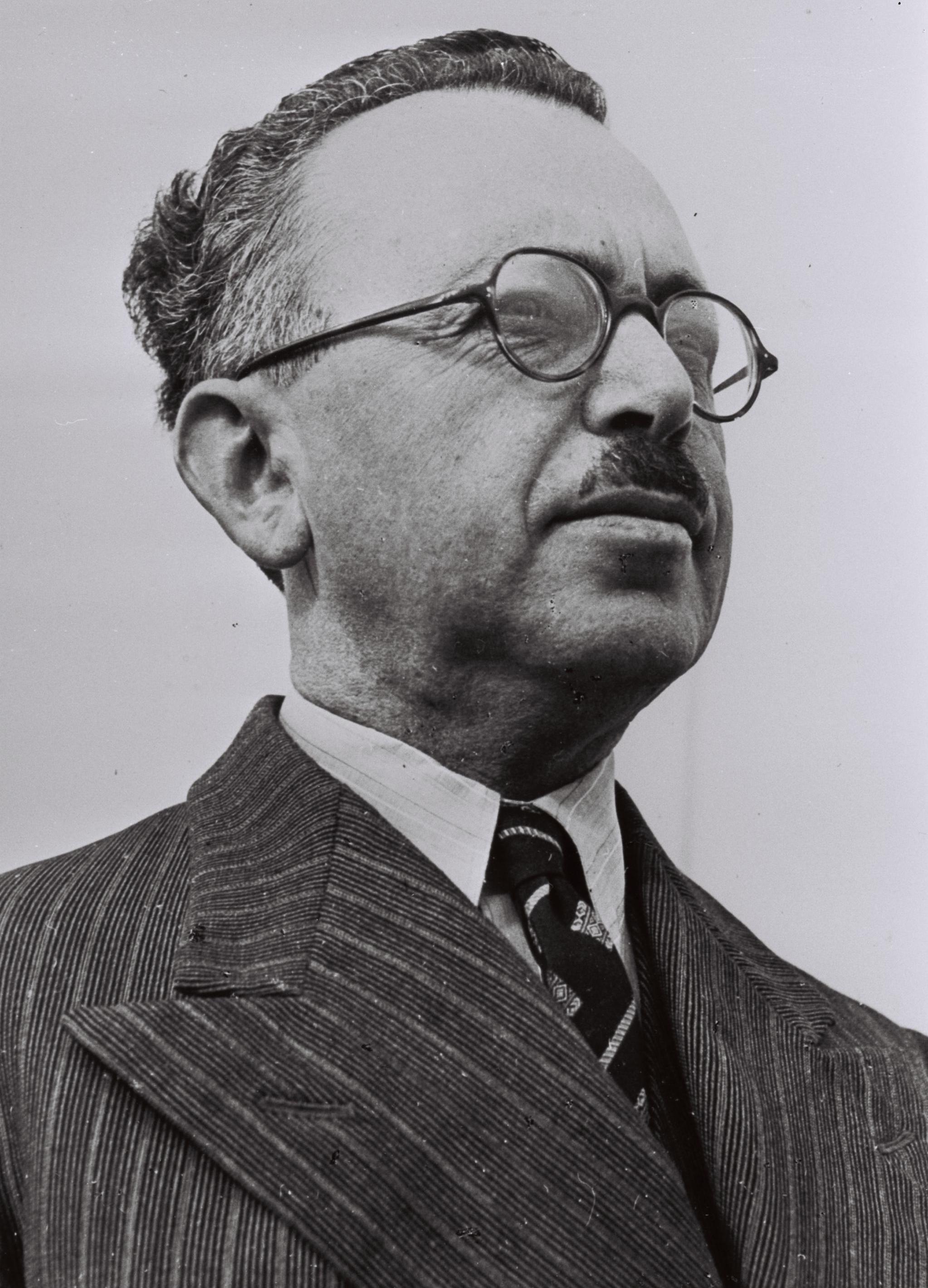
The TGWU were worried that the Labour candidate would lose Jewish support and the seat because of the government's white paper. The Union's Secretary, Ernest Bevin met with Dov Hoz and the visiting Jewish Labour movement in Palestine, the Poale Zion, who were unhappy about the government's proposals. He persuaded them to publicly back the Labour candidate, which put them in conflict with many members of the British Poale Zion. Dov Hoz agreed to share a platform with Bevin and Hall at a Labour campaign rally. At the meeting, following the speech from Bevin, Hoz got up to speak and was howled down by the audience. The meeting became so disrupted that the police were called in to restore order. Hoz accused the Liberal candidate Janner, of exploiting the white paper for his own political ends.
Result
Despite a massive swing to the Liberals, Hall held onto the seat on a much reduced majority; Hall blamed the fall in the Labour vote on the economic difficulties faced by the Labour Government, and on a "flood of misrepresentation" from the government's opponents.{{cite news
Aftermath
Hall held the seat until Janner took it for the Liberals at the 1931 election. Guinness was elected MP for Bath at the same elections;
References
References
- Bernard Wasserstein. (2004). "Janner, Barnett, Baron Janner (1892–1982)".
- Janner, Elsie. (1984). "Barnett Janner: a personal portrait". Robson Books.
This article was imported from Wikipedia and is available under the Creative Commons Attribution-ShareAlike 4.0 License. Content has been adapted to SurfDoc format. Original contributors can be found on the article history page.
Ask Mako anything about 1930 Whitechapel and St Georges by-election — get instant answers, deeper analysis, and related topics.
Research with MakoFree with your Surf account
Create a free account to save articles, ask Mako questions, and organize your research.
Sign up freeThis content may have been generated or modified by AI. CloudSurf Software LLC is not responsible for the accuracy, completeness, or reliability of AI-generated content. Always verify important information from primary sources.
Report