From Surf Wiki (app.surf) — the open knowledge base
Sézary disease
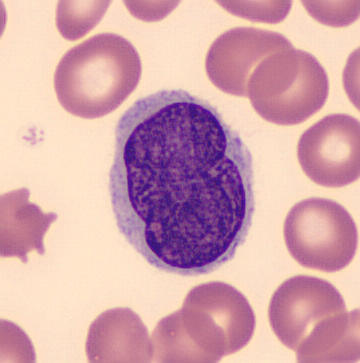
| Field | Value |
|---|---|
| name | Sézary disease |
| synonyms | Sézary's disease, Sézary('s) syndrome |
| image | Sezery2.jpg |
| caption | The bright red rash of Sezary syndrome |
| field | oncology, dermatology |
| pronounce |
Sézary disease, or Sézary syndrome, is a type of cutaneous T-cell lymphoma that was first described by Albert Sézary. The affected T cells, known as Sézary's cells or Lutzner cells, have pathological quantities of mucopolysaccharides. Sézary disease is sometimes considered a late stage of mycosis fungoides with lymphadenopathy.
Signs and symptoms
Sézary disease and mycosis fungoides are cutaneous T-cell lymphomas having a primary manifestation in the skin. The disease's origin is a peripheral CD4+ T-lymphocyte, although rarer CD8+/CD4- cases have been observed. Epidermotropism (lymphocytes residing in the epidermis) by neoplastic CD4+ lymphocytes with the formation of Pautrier's microabscesses is the hallmark sign of the disease. Although the condition can affect people of all ages, it is commonly diagnosed in adults over age 60. The dominant signs and symptoms of the disease are:
- Generalized erythroderma – redness of the skin
- Lymphadenopathy – swollen, enlarged lymph nodes
- Atypical T cells – malignant lymphocytes known as "Sézary cells" seen in the peripheral blood with typical cerebriform nuclei (brain-shaped, convoluted nuclei)
- Hepatosplenomegaly– enlarged liver and spleen
- Palmoplantar keratoderma – thickening of the palms of the hands, and soles of the feet
Diagnosis

Those who have Sézary disease often present skin lesions that do not heal with normal medication. A blood test generally reveals any change in the levels of lymphocytes in the blood, which is often associated with a cutaneous T-cell lymphoma. Finally, a biopsy of a skin lesion can be performed to rule out any other causes.
The immunohistochemical features are very similar to those presented in mycosis fungoides except for the following differences:
- More monotonous cellular infiltrates (large, clustered atypical pagetoid cells) in Sézary syndrome
- Sometimes absent epidermotropism
- Increased lymph node involvement with infiltrates of Sézary syndrome.
Treatment
Treatment typically includes some combination of photodynamic therapy, radiation therapy, chemotherapy, and biologic therapy.
Treatments are often combined with phototherapy and chemotherapy, though pure chemotherapy is rarely used today. No single treatment type has revealed clear-cut benefits in comparison to others; treatment for all cases remains problematic.
Radiation therapy
A number of types of radiation therapy may be used, including total skin electron therapy.
Chemotherapy
Romidepsin, vorinostat and a few others are a second-line drug for cutaneous T-cell lymphoma. Mogamulizumab has been approved in Japan and the United States.
The FDA has approved denileukin diftitox-cxdl (Lymphir) for the treatment of patients with relapsed/refractory cutaneous T-cell lymphoma who have received at least one prior systemic therapy. Lymphir injection (300 mcg) is indicated for the treatment of adult patients with relapsed or refractory stage I-III cutaneous T-cell lymphoma after at least one prior systemic therapy.
Epidemiology
In the Western population, there are around 3 cases of Sézary syndrome per 1,000,000 people. Sézary disease is more common in males with a ratio of 2:1, and the mean age of diagnosis is between 55 and 60 years of age.
References
References
- "Sézary syndrome".
- {{WhoNamedIt. synd. 3594. Sézary's cell
- (2005). "Mycosis fungoidses/Sezary's syndrome". Atlas Genet Cytogenet Oncol Haematol.
- (May 1997). "Recurring Structural Chromosome Abnormalities in Peripheral Blood Lymphocytes of Patients With Mycosis Fungoides/Sézary Syndrome". Blood.
- Cerroni, Lorenzo. (2005). "An illustrated guide to Skin Lymphomas". Blackwell Publishing.
- (2015). "Practical Skin Pathology". Springer International Publishing.
- "Sezary syndrome".
- (January 2017). "T-Cell Non-Hodgkin Lymphomas: Spectrum of Disease and the Role of Imaging in the Management of Common Subtypes.". Korean Journal of Radiology.
- Lorincz, A. I.. "Sezary syndrome".
- Fragkos, Konstantinos C.. (2017). "Plantar keratoderma of Sézary syndrome". Clinical Case Reports.
- (2012-10-01). "Prevalence and treatment of palmoplantar keratoderma and tinea pedis in patients with Sézary syndrome". International Journal of Dermatology.
- "Diagnosis".
- Beigi, Pooya Khan Mohammad. (2017). "Clinician's Guide to Mycosis Fungoides". Springer International Publishing.
- (7 September 2017). "Mycosis Fungoides (Including Sézary Syndrome) Treatment".
- Cerroni, Lorenzo. (2005). "An illustrated guide to Skin Lymphomas". Blackwell Publishing.
- (12 July 2017). "Mycosis Fungoides (Including Sézary Syndrome) Treatment".
- (February 2014). "Primary cutaneous T-cell lymphoma (mycosis fungoides and Sézary syndrome): part II. Prognosis, management, and future directions.". Journal of the American Academy of Dermatology.
- (2012-06-18). "Mogamulizumab: first global approval". Drugs.
- (2018-08-08). "FDA approves mogamulizumab-kpkc for mycosis fungoides or Sézary syndrome".
- (8 August 2024). "FDA Approves Denileukin Diftitox for R/R Cutaneous T-Cell Lymphoma".
This article was imported from Wikipedia and is available under the Creative Commons Attribution-ShareAlike 4.0 License. Content has been adapted to SurfDoc format. Original contributors can be found on the article history page.
Ask Mako anything about Sézary disease — get instant answers, deeper analysis, and related topics.
Research with MakoFree with your Surf account
Create a free account to save articles, ask Mako questions, and organize your research.
Sign up freeThis content may have been generated or modified by AI. CloudSurf Software LLC is not responsible for the accuracy, completeness, or reliability of AI-generated content. Always verify important information from primary sources.
Report