From Surf Wiki (app.surf) — the open knowledge base
Pangaré
Coat trait found in some horses
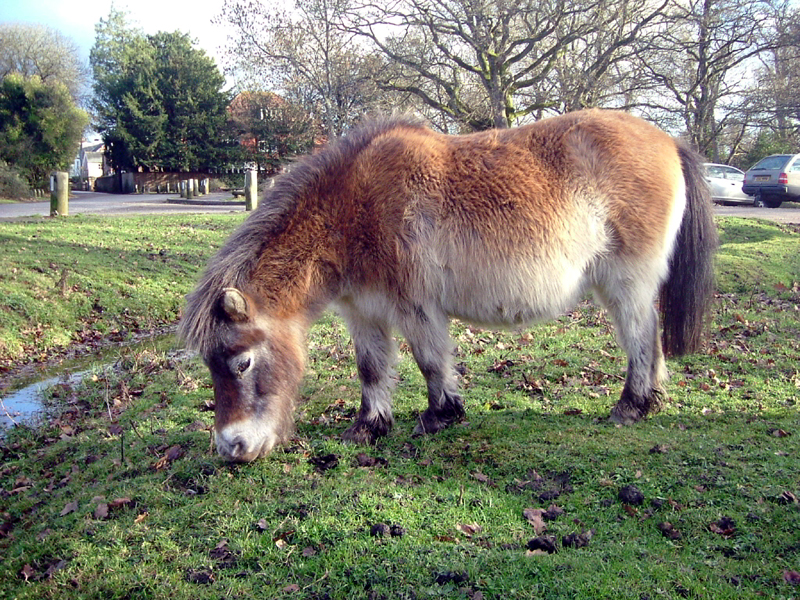
Coat trait found in some horses
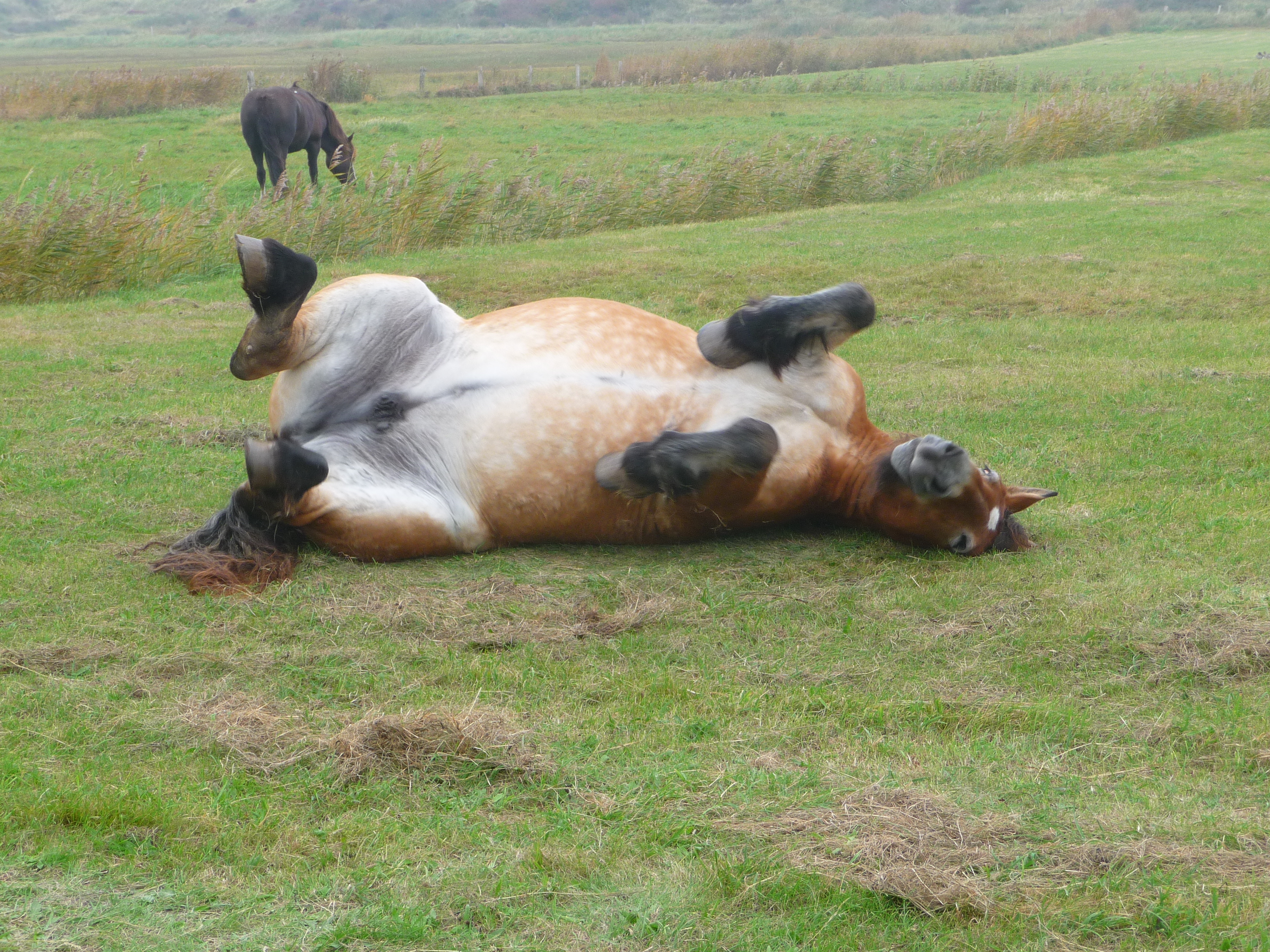
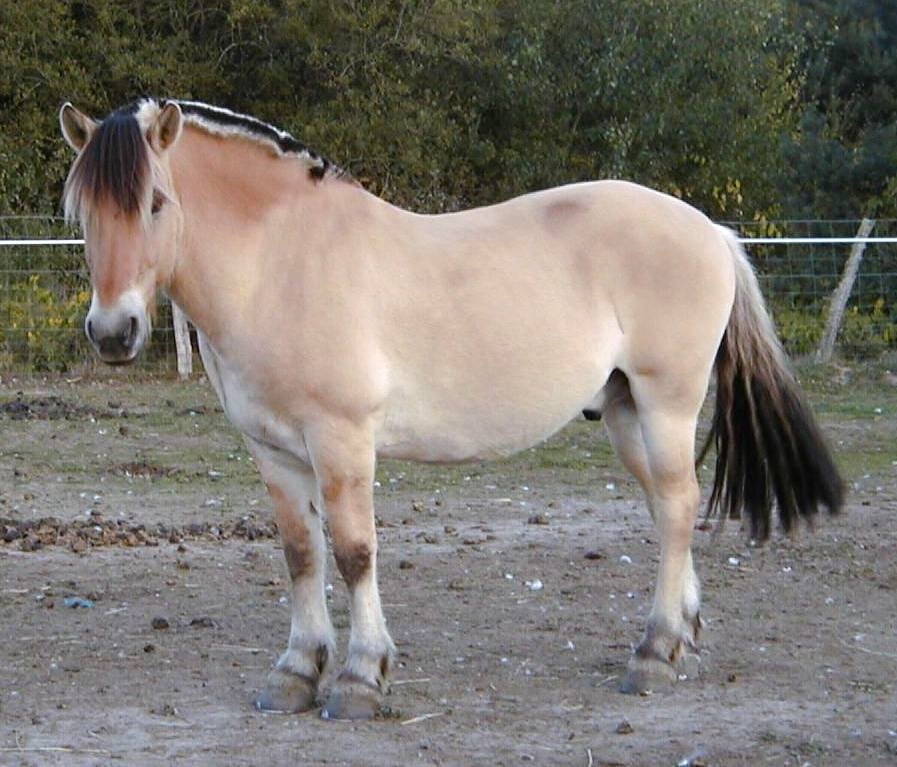

Pangaré is a coat trait found in some horses that features pale hair around the eyes, muzzle, and underside of the body. These pale areas can extend up to the flanks, throat and chest, behind the elbows, in front of the stifle, and up the buttock. Animals with the pangaré trait are sometimes called "mealy" or "light-pointed". The color of these lighter areas depends on the underlying color and ranges from off-white to light tan. This type of coloration is most often found in breeds such as the Fjord horse, Exmoor Pony, and Haflinger. Wild equids like the Przewalski's horse, onager, African wild ass, kiang as well as the domestic donkey exhibit pangaré as a rule. Pangaré is thought to be a type of protective countershading. Horse foals are often born with "foal pangaré" or light points, especially over black haired areas, which they lose when they shed their foal coats.
At one time, the seal brown coat color was hypothesized to occur from the action of pangaré on a black coat. However, this has been disproven; seal brown horses are a variation of the bay color.
In donkeys, no light points (loss of pangare) is caused by a recessive missense mutation at agouti. The light points (pangare) color is similar to the light bellied agouti color in mice, while the no light points color is similar to recessive black in mammals. In light bellied agouti mice, the agouti mRNA starts with a different noncoding exon depending on whether it is made in the dorsal or ventral region. This leads to a lighter belly color in mice and probably other mammals as well.
References
References
- Marcia Stacy. "Pangare (mealy)". Icelandic Horse Colors.
- (Nov 2003). "Mealy/Pangare (Other Modifiers)". Equine Color.
- Leah Patton. "Pangare - Extensive "mealy points" on Mules". The Mule Info Page.
- Rieder, Stefan. (2001). "Mutations in the agouti (ASIP), the extension (MC1R), and the brown (TYRP1) loci and their association to coat color phenotypes in horses (Equus caballus)". Springer-Verlag.
- Sponenberg 2003. pg. 29.
- (2015). "A missense mutation in the agouti signaling protein gene (ASIP) is associated with the no light points coat phenotype in donkeys". Genetics Selection Evolution.
- (1994). "Differences in dorsal and ventral pigmentation result from regional expression of the mouse agouti gene.". PNAS.
This article was imported from Wikipedia and is available under the Creative Commons Attribution-ShareAlike 4.0 License. Content has been adapted to SurfDoc format. Original contributors can be found on the article history page.
Ask Mako anything about Pangaré — get instant answers, deeper analysis, and related topics.
Research with MakoFree with your Surf account
Create a free account to save articles, ask Mako questions, and organize your research.
Sign up freeThis content may have been generated or modified by AI. CloudSurf Software LLC is not responsible for the accuracy, completeness, or reliability of AI-generated content. Always verify important information from primary sources.
Report