From Surf Wiki (app.surf) — the open knowledge base
Γ-Hydroxybutyric acid
Chemical compound
.jpg)
Chemical compound
| Field | Value | |
|---|---|---|
| Watchedfields | changed | |
| verifiedrevid | 477230013 | |
| drug_name | γ-Hydroxybutyric acid | |
| image | 4-Hydroxybutansäure - 4-Hydroxybutanoic acid.svg | |
| image_class | skin-invert-image | |
| image2 | GHB-3D-balls.png | |
| image_class2 | bg-transparent | |
| DailyMedID | ||
| pregnancy_AU | ||
| addiction_liability | High | |
| routes_of_administration | By mouth, intravenous | |
| class | GABA analogue, GHB receptor agonists—GABA receptor agonist; Psycholeptic; | |
| ATC_prefix | N01 | |
| ATC_suffix | AX11 | |
| ATC_supplemental | ||
| legal_AU | S9 | |
| legal_AU_comment | / S8 as sodium oxybate | |
| legal_BR | B1 | |
| legal_BR_comment | ||
| legal_CA | Schedule I | |
| legal_DE | Rx-only/Anlage III | |
| legal_NZ | Class B | |
| legal_UK | Class B | |
| legal_US | Schedule I | |
| legal_US_comment | / Schedule III | |
| legal_EU | List I | |
| legal_EU_comment | (Netherlands) | |
| legal_UN | P II | |
| legal_status | SE: Förteckning II | |
| bioavailability | 25% (oral) | |
| metabolism | 95–98%, mainly liver, also in blood and tissues | |
| metabolites | Succinic semialdehyde, Succinic acid | |
| onset | Within 5–15 minutes | |
| elimination_half-life | 30–60 minutes | |
| excretion | 1–5%, kidney | |
| <!-- Identifiers --> | CAS_number_Ref | |
| CAS_number | 591-81-1 | |
| PubChem | 3037032 | |
| IUPHAR_ligand | 4711 | |
| DrugBank_Ref | ||
| DrugBank | DB01440 | |
| ChemSpiderID_Ref | ||
| ChemSpiderID | 9984 | |
| UNII_Ref | ||
| UNII | 30IW36W5B2 | |
| KEGG_Ref | ||
| KEGG | C00989 | |
| ChEBI_Ref | ||
| ChEBI | 30830 | |
| ChEMBL_Ref | ||
| ChEMBL | 1342 | |
| synonyms | ||
| <!-- Chemical and physical data --> | IUPAC_name | 4-hydroxybutanoic acid |
| C | 4 | |
| H | 8 | |
| O | 3 | |
| SMILES | O=C(O)CCCO | |
| StdInChI_Ref | ||
| StdInChI | 1S/C4H8O3/c5-3-1-2-4(6)7/h5H,1-3H2,(H,6,7) | |
| StdInChIKey_Ref | ||
| StdInChIKey | SJZRECIVHVDYJC-UHFFFAOYSA-N |
| Drugs.com = Depressant; Hypnotic Sedative
| elimination_half-life = 30–60 minutes
γ-Hydroxybutyric acid, also known as gamma-hydroxybutyric acid, GHB, or 4-hydroxybutanoic acid, is a naturally occurring neurotransmitter and a depressant drug. It is a precursor to GABA, glutamate, and glycine in certain brain areas. It acts on the GHB receptor and is a weak agonist at the GABAB receptor. GHB has been used in medicine as a general anesthetic and as treatment for cataplexy, narcolepsy, and alcoholism. It is also used illicitly for performance enhancement, date rape, and recreation.
It is commonly used in the form of a salt, such as sodium γ-hydroxybutyrate (NaGHB, sodium oxybate, or Xyrem) or potassium γ-hydroxybutyrate (KGHB, potassium oxybate). GHB is produced as a result of fermentation, and is found in small quantities in some beers and wines, beef, and small citrus fruits.
Succinic semialdehyde dehydrogenase deficiency causes GHB to accumulate in the blood.
In medicine
Main article: Sodium oxybate
GHB is used in medicine in the treatment of narcolepsy and, more rarely, alcohol dependence, although its efficacy for that is uncertain. A 2010 Cochrane review concluded that "GHB appears better than NTX and disulfiram in maintaining abstinence and preventing craving in the medium term (3 to 12 months)". It is sometimes used off-label for the treatment of fibromyalgia. GHB is the active ingredient of the prescription medication sodium oxybate (Xyrem). Sodium oxybate is approved by the U.S. Food and Drug Administration for the treatment of cataplexy associated with narcolepsy and excessive daytime sleepiness (EDS) associated with narcolepsy.
GHB has been shown to reliably increase slow-wave sleep and decrease the tendency for REM sleep in modified multiple sleep latency tests.
The FDA-approved labeling for sodium oxybate suggests no evidence GHB has teratogenic, carcinogenic, or hepatotoxic properties. Its favorable safety profile relative to ethanol may explain why GHB continues to be investigated as a candidate for alcohol substitution.
The combination calcium oxybate/magnesium oxybate/potassium oxybate/sodium oxybate is also available as Xywav.
Recreational use
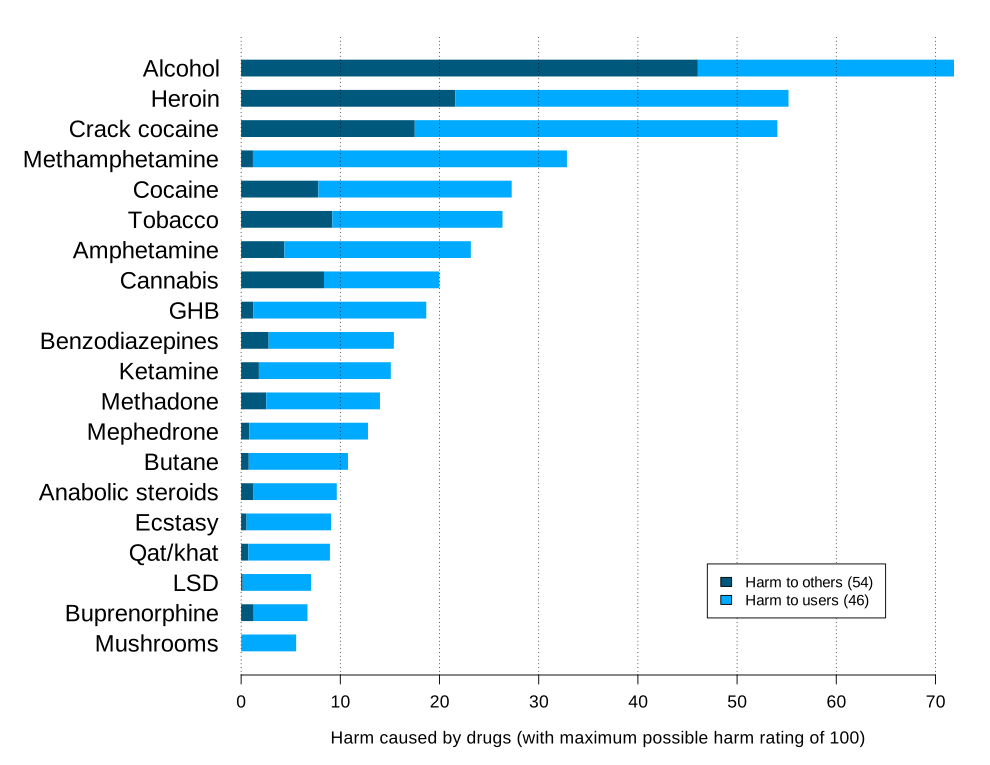
GHB is a central nervous system depressant used as an intoxicant. It has many street names. Its effects are comparable to those of ethanol (alcohol) and MDMA, such as euphoria, disinhibition, enhanced libido and empathogenic states. A review comparing ethanol to GHB concluded that the dangers of the two drugs were similar. At higher doses, GHB may induce nausea, dizziness, drowsiness, agitation, visual disturbances, depressed breathing, amnesia, unconsciousness, and death. One potential cause of death from GHB consumption is polydrug toxicity, as co-administration with other central nervous system (CNS) depressants such as alcohol or benzodiazepines can result in an additive effect (potentiation), as they all bind to gamma-aminobutyric acid (or "GABA") receptor sites. The effects of GHB can last from 1.5 to 4 hours, or longer with large doses. Consuming GHB with alcohol can cause respiratory arrest and vomiting in combination with unarousable sleep, which can lead to death.
Recreational doses generally provide a feeling of euphoria, and larger doses create deleterious effects such as reduced motor function and drowsiness. The sodium salt of GHB has a salty taste. but the sodium salt is by far the most common.
Some prodrugs, such as γ-butyrolactone (GBL), convert to GHB in the stomach and bloodstream. Other prodrugs exist, such as 1,4-butanediol (1,4-B). GBL and 1,4-B are normally found as pure liquids, but they can be mixed with other more harmful solvents when intended for industrial use (e.g. as paint stripper or varnish thinner).
GHB can be manufactured with little knowledge of chemistry by mixing another drug, GBL, with an alkali hydroxide such as sodium hydroxide, to form the GHB salt. Due to the ease of manufacture and the availability of its precursors, it is not usually produced in illicit laboratories like other synthetic drugs, but in private homes by low-level producers or GBL is simply consumed directly.
GHB is colourless and odourless.
Party use
GHB has been used as a club drug, apparently starting in the 1990s, as small doses of GHB can act as a euphoriant and are believed to be aphrodisiac. Slang terms for GHB include liquid ecstasy, lollipops, liquid X or liquid E due to its tendency to produce euphoria and sociability and its use in the dance party scene.
Sports and athletics
Some athletes have been known to use GHB, or its analogs, due to marketing claims that the drug acts as an anabolic agent. However, no such evidence exists to suggest links between the use of GHB and muscle development or performance improvement.
Usage as a date-rape drug

GHB became known to the general public as a date-rape drug by the late 1990s. GHB is colourless and odorless and has been described as "very easy to add to drinks". When consumed, the victim will quickly feel groggy and sleepy and may become unconscious. Upon recovery they may have an impaired ability to recall events that have occurred during the period of intoxication. In these situations evidence and the identification of the perpetrator of the rape is often difficult.
It is also difficult to establish how often GHB is used to facilitate rape as it is difficult to detect in a urine sample after a day, and many victims may only recall the rape some time after its occurrence; however, a 2006 study suggested that there was "no evidence to suggest widespread date rape drug use" in the UK, and that less than 2% of cases involved GHB, while 17% involved cocaine, and a survey in the Netherlands published in 2010 found that the proportion of drug-related rapes where GHB was used appeared to be greatly overestimated by the media. More recently, a study in Western Australia reviewed the pre-hospital context given in medical records around emergency department presentations with analytical confirmation of GHB exposure. This study found that most cases reported daily dosing and subsequent accidental overdose rather than their presentation being associated with date-rape.
There have been several high-profile cases of GHB as a date-rape drug that received national attention in the United States. In early 1999, a 15-year-old girl, Samantha Reid of Rockwood, Michigan, died from GHB poisoning. Reid's death inspired the legislation titled the "Hillory J. Farias and Samantha Reid Date-Rape Drug Prohibition Act of 2000". This is the law that made GHB a Schedule 1 controlled substance. In the United Kingdom, British serial killer Stephen Port administered GHB to his victims by adding it to drinks given to them, raping them, and murdering four of them in his flat in Barking, East London.
GHB can be detected in hair. Hair testing can be a useful tool in court cases or for the victim's own information. Most over-the-counter urine test kits test only for date-rape drugs that are benzodiazepines, which GHB is not. To detect GHB in urine, the sample must be taken within four hours of GHB ingestion, and cannot be tested at home.
Adverse effects
Combination with alcohol
In humans, GHB has been shown to reduce the elimination rate (thus increasing the elimination time) of alcohol. This may explain the respiratory arrest that has been reported after ingestion of both drugs. A review of the details of 194 deaths attributed to or related to GHB over a ten-year period found that most were from respiratory depression caused by interaction with alcohol or other drugs.
Deaths
One publication has investigated 226 deaths attributed to GHB. Of the 226 deaths included, 213 had a cardiorespiratory arrest and 13 had fatal accidents. Seventy-one of these deaths (34%) had no co-intoxicants. Postmortem blood GHB was 18–4400 mg/L (median=347) in deaths negative for co-intoxicants.
One report has suggested that sodium oxybate overdose might be fatal, based on deaths of three patients who had been prescribed the drug. However, for two of the three cases, post-mortem GHB concentrations were 141 and 110 mg/L, which is within the expected range of concentrations for GHB after death, and the third case was a patient with a history of intentional drug overdose. The toxicity of GHB has been an issue in criminal trials, as in the death of Felicia Tang, where the defense argued that death was due to GHB, not murder.
GHB is produced in the body in very small amounts, and blood levels may climb after death to levels in the range of 30–50 mg/L. Levels higher than this are found in GHB deaths. Levels lower than this may be due to GHB or to postmortem endogenous elevations.
Neurotoxicity
In multiple studies, GHB has been found to impair spatial memory, working memory, learning and memory in rats with chronic administration. These effects are associated with decreased NMDA receptor expression in the cerebral cortex and possibly other areas as well. In addition, the neurotoxicity appears to be caused by oxidative stress.
Addiction
Addiction occurs when repeated drug use disrupts the normal balance of brain circuits that control rewards, memory and cognition, ultimately leading to compulsive drug taking.
Rats forced to consume massive doses of GHB will intermittently prefer GHB solution to water.
Withdrawal

GHB has also been associated with a withdrawal syndrome of insomnia, anxiety, and tremor that usually resolves within three to twenty-one days. The withdrawal syndrome can be severe producing acute delirium and may require hospitalization in an intensive care unit for management. Management of GHB dependence involves considering the person's age, comorbidity and the pharmacological pathways of GHB. The mainstay of treatment for severe withdrawal is supportive care and benzodiazepines for control of acute delirium, but larger doses are often required compared to acute delirium of other causes (e.g. 100 mg/d of diazepam). Baclofen has been suggested as an alternative or adjunct to benzodiazepines based on anecdotal evidence and some animal data. However, there is less experience with the use of baclofen for GHB withdrawal, and additional research in humans is needed. Baclofen was first suggested as an adjunct because benzodiazepines do not affect GABAB receptors and therefore have no cross-tolerance with GHB while baclofen, which works via GABAB receptors, is cross-tolerant with GHB and may be more effective in alleviating withdrawal effects of GHB.
GHB withdrawal is not widely discussed in textbooks and some psychiatrists, general practitioners, and even hospital emergency physicians may not be familiar with this withdrawal syndrome.
Overdose
Overdose of GHB can sometimes be difficult to treat because of its multiple effects on the body. GHB tends to cause rapid unconsciousness at doses above 3500 mg, with single doses over 7000 mg often causing life-threatening respiratory depression, and higher doses still inducing bradycardia and cardiac arrest. Other side-effects include convulsions (especially when combined with stimulants), and nausea/vomiting (especially when combined with alcohol).
The greatest threat to life due to GHB overdose (with or without other substances) is respiratory arrest. Other relatively common causes of death due to GHB ingestion include aspiration of vomitus, positional asphyxia, and trauma sustained while intoxicated (e.g., motor vehicle accidents while driving under the influence of GHB). The risk of aspiration pneumonia and positional asphyxia risk can be reduced by laying the patient down in the recovery position. People are most likely to vomit as they become unconscious, and as they wake up. It is important to keep the victim awake and moving; the victim must not be left alone due to the risk of death through vomiting. Frequently the victim will be in a good mood but this does not mean the victim is not in danger. GHB overdose is a medical emergency and immediate assessment in an emergency department is needed.
Convulsions from GHB can be treated with the benzodiazepines diazepam or lorazepam. Even though these benzodiazepines are also CNS depressants, they primarily modulate GABAA receptors whereas GHB is primarily a GABAB receptor agonist, and so do not worsen CNS depression as much as might be expected.
Because of the faster and more complete absorption of GBL relative to GHB, its dose-response curve is steeper, and overdoses of GBL tend to be more dangerous and problematic than overdoses involving only GHB or 1,4-B. Any GHB/GBL overdose is a medical emergency and should be cared for by appropriately trained personnel.
A newer synthetic drug, SCH-50911, which acts as a selective GABAB antagonist, quickly reverses GHB overdose in mice. However, this treatment has yet to be tried in humans, and it is unlikely that it will be researched for this purpose in humans due to the illegal nature of clinical trials of GHB and the lack of medical indemnity coverage inherent in using an untested treatment for a life-threatening overdose.
Detection of use
GHB may be quantitated in blood or plasma to confirm a diagnosis of poisoning in hospitalized patients, to provide evidence in an impaired driving, or to assist in a medicolegal death investigation. Blood or plasma GHB concentrations are usually in a range of 50–250 mg/L in persons receiving the drug therapeutically (during general anesthesia), 30–100 mg/L in those arrested for impaired driving, 50–500 mg/L in acutely intoxicated patients and 100–1000 mg/L in victims of fatal overdosage. Urine is often the preferred specimen for routine drug abuse monitoring purposes. Both γ-butyrolactone (GBL) and 1,4-butanediol are converted to GHB in the body.
In January 2016, it was announced scientists had developed a way to detect GHB, among other things, in saliva.
Endogenous production
Cells produce GHB by reduction of succinic semialdehyde via succinic semialdehyde reductase (SSR). This enzyme appears to be induced by cAMP levels, meaning substances that elevate cAMP, such as forskolin and vinpocetine, may increase GHB synthesis and release. Conversely, endogeneous GHB production in those taking valproic acid will be inhibited via inhibition of the conversion from succinic acid semialdehyde to GHB. People with the disorder known as succinic semialdehyde dehydrogenase deficiency, also known as γ-hydroxybutyric aciduria, have elevated levels of GHB in their urine, blood plasma and cerebrospinal fluid.
The precise function of GHB in the body is not clear. It is known, however, that the brain expresses a large number of receptors that are activated by GHB. These receptors are excitatory, however, and therefore not responsible for the sedative effects of GHB; they have been shown to elevate the principal excitatory neurotransmitter, glutamate. The benzamide antipsychotics—amisulpride, nemonapride, etc.—have been shown to bind to these GHB-activated receptors in vivo. Other antipsychotics were tested and were not found to have an affinity for this receptor.
GHB is a precursor to GABA, glutamate, and glycine in certain brain areas.
In spite of its demonstrated neurotoxicity, (see relevant section, above), GHB has neuroprotective properties, and has been found to protect cells from hypoxia.
Natural fermentation by-product
GHB is also produced as a result of fermentation and so is found in small quantities in some beers and wines, in particular fruit wines. The amount found in wine is pharmacologically insignificant and not sufficient to produce psychoactive effects.
Pharmacology
GHB is very similar to the important inhibitory neurotransmitter GABA, with an amino group of GABA being replaced by a hydroxy group. If taken orally, GABA does not effectively cross the blood–brain barrier while GHB does.
GHB has at least two distinct binding sites in the central nervous system. It acts as an agonist at the excitatory GHB receptor and as a weak agonist at the inhibitory GABAB receptor. GHB is a naturally occurring substance that acts in a similar fashion to some neurotransmitters in the mammalian brain. GHB is probably synthesized from GABA in GABAergic neurons, and released when the neurons fire.
GHB has been found to activate oxytocinergic neurons in the supraoptic nucleus.
GHB induces the accumulation of either a derivative of tryptophan or tryptophan itself in the extracellular space, possibly by increasing tryptophan transport across the blood–brain barrier. The blood content of certain neutral amino-acids, including tryptophan, is also increased by peripheral GHB administration. GHB-induced stimulation of tissue serotonin turnover may be due to an increase in tryptophan transport to the brain and in its uptake by serotonergic cells. As the serotonergic system may be involved in the regulation of sleep, mood, and anxiety, the stimulation of this system by high doses of GHB may be involved in certain neuropharmacological events induced by GHB administration.
However, at therapeutic doses, GHB reaches much higher concentrations in the brain and activates GABAB receptors, which are primarily responsible for its sedative effects. GHB's sedative effects are blocked by GABAB antagonists.
The role of the GHB receptor in the behavioural effects induced by GHB is more complex. GHB receptors are densely expressed in many areas of the brain, including the cortex and hippocampus, and these are the receptors that GHB displays the highest affinity for. There has been somewhat limited research into the GHB receptor; however, there is evidence that activation of the GHB receptor in some brain areas results in the release of glutamate, the principal excitatory neurotransmitter. Drugs that selectively activate the GHB receptor cause absence seizures in high doses, as do GHB and GABAB agonists.
Activation of both the GHB receptor and GABAB is responsible for the addictive profile of GHB. GHB's effect on dopamine release is biphasic. Low concentrations stimulate dopamine release via the GHB receptor. Higher concentrations inhibit dopamine release via GABAB receptors as do other GABAB agonists such as baclofen and phenibut. After an initial phase of inhibition, dopamine release is then increased via the GHB receptor. Both the inhibition and increase of dopamine release by GHB are inhibited by opioid antagonists such as naloxone and naltrexone. Dynorphin may play a role in the inhibition of dopamine release via kappa opioid receptors.
This explains the paradoxical mix of sedative and stimulatory properties of GHB, as well as the so-called "rebound" effect, experienced by individuals using GHB as a sleeping agent, wherein they awake suddenly after several hours of GHB-induced deep sleep. That is to say that, over time, the concentration of GHB in the system decreases below the threshold for significant GABAB receptor activation and activates predominantly the GHB receptor, leading to wakefulness.
Recently, analogs of GHB, such as 4-hydroxy-4-methylpentanoic acid (UMB68) have been synthesised and tested on animals, in order to gain a better understanding of GHB's mode of action. Analogues of GHB such as 3-methyl-GHB, 4-methyl-GHB, and 4-phenyl-GHB have been shown to produce similar effects to GHB in some animal studies, but these compounds are even less well researched than GHB itself. Of these analogues, only 4-methyl-GHB (γ-hydroxyvaleric acid, GHV) and a prodrug form γ-valerolactone (GVL) have been reported as drugs of abuse in humans, and on the available evidence seem to be less potent but more toxic than GHB, with a particular tendency to cause nausea and vomiting.
Other prodrug ester forms of GHB have also rarely been encountered by law enforcement, including 1,4-butanediol diacetate (BDDA/DABD), methyl-4-acetoxybutanoate (MAB), and ethyl-4-acetoxybutanoate (EAB), but these are, in general, covered by analogue laws in jurisdictions where GHB is illegal, and little is known about them beyond their delayed onset and longer duration of action. The intermediate compound γ-hydroxybutyraldehyde (GHBAL) is also a prodrug for GHB; however, as with all aliphatic aldehydes this compound is caustic and is strong-smelling and foul-tasting; actual use of this compound as an intoxicant is likely to be unpleasant and result in severe nausea and vomiting.

Only a minor portion (1–5%) of the administered GHB dose is excreted unchanged in the urine. Studies have shown that the maximum concentration of GHB in urine appears within 1 hour and rapidly declines thereafter. The vast majority (95–98%) undergoes extensive metabolism in the liver. GHB is broken down through a series of enzymatic pathways. The primary route involves conversion to succinic semialdehyde (SSA) by either GHB dehydrogenase (ADH) or GHB transhydrogenase. SSA is further oxidized by succinic semialdehyde dehydrogenase (SSADH) to succinic acid, which enters the Krebs cycle and is ultimately converted into carbon dioxide and water.
Both of the metabolic breakdown pathways shown for GHB can run in either direction, depending on the concentrations of the substances involved, so the body can make its own GHB either from GABA or from succinic semialdehyde. Under normal physiological conditions, the concentration of GHB in the body is rather low, and the pathways would run in the reverse direction to what is shown here to produce endogenous GHB. However, when GHB is consumed for recreational or health promotion purposes, its concentration in the body is much higher than normal, which changes the enzyme kinetics so that these pathways operate to metabolise GHB rather than producing it.
History
Alexander Zaytsev worked on this chemical family and published work on it in 1874. The first extended research into GHB and its use in humans was conducted in the early 1960s by Henri Laborit to use in studying the neurotransmitter GABA. It was studied in a range of uses including obstetric surgery and during childbirth and as an anxiolytic; there were anecdotal reports of it having antidepressant and aphrodisiac effects as well.
GHB and sodium oxybate were also studied for use in narcolepsy from the 1960s onwards.
In May 1990 GHB was introduced as a dietary supplement and was marketed to body builders, for help with weight control and as a sleep aid, and as a "replacement" for l-tryptophan, which was removed from the market in November 1989 when batches contaminated with trace impurities were found to cause eosinophilia–myalgia syndrome, although eosinophilia–myalgia syndrome is also tied to tryptophan overload. In 2001 tryptophan supplement sales were allowed to resume, and in 2005 the FDA ban on tryptophan supplement importation was lifted. By November 1989 57 cases of illness caused by the GHB supplements had been reported to the Centers for Disease Control and Prevention, with people having taken up to three teaspoons of GHB; there were no deaths but nine people needed care in an intensive care unit. The FDA issued a warning in November 1990 that sale of GHB was illegal.
At the same time, research on the use of GHB in the form of sodium oxybate had formalized, as a company called Orphan Medical had filed an investigational new drug application and was running clinical trials with the intention of gaining regulatory approval for use to treat narcolepsy.
A popular children's toy, Bindeez (also known as Aqua Dots, in the United States), produced by Melbourne company Moose, was banned in Australia in early November 2007 when it was discovered that 1,4-butanediol (1,4-B), which is metabolized into GHB, had been substituted for the non-toxic plasticiser 1,5-pentanediol in the bead manufacturing process. Three young children were hospitalized as a result of ingesting a large number of the beads, and the toy was recalled.
Legal status
In the United States, GHB was placed on Schedule I of the Controlled Substances Act in March 2000. However, used in sodium oxybate under an IND or NDA from the US FDA, it is considered a Schedule III substance but with Schedule I trafficking penalties.{{Cite web |date=December 2025 |title=Orange Book - List of controlled substances and regulated chemicals |url=https://www.deadiversion.usdoj.gov/schedules/orangebook/orangebook.pdf |access-date=January 4, 2026
In March 2001, the United Nations Commission on Narcotic Drugs placed GHB in Schedule IV of the 1971 Convention on Psychotropic Substances.
In the United Kingdom, GHB was made a class C drug in June 2003. In October 2013, the ACMD recommended upgrading it from schedule IV to schedule II in line with UN recommendations. Their report concluded that the minimal use of Xyrem in the UK meant that prescribers would be minimally inconvenienced by the rescheduling. This advice was followed and GHB was moved to schedule 2 on 7 January 2015. In April 2022 GHB was changed from class C to class B.
In Hong Kong, GHB is regulated under Schedule 1 of Hong Kong's Chapter 134 Dangerous Drugs Ordinance. It can only be used legally by health professionals and for university research purposes. The substance can be given by pharmacists under a prescription. Anyone who supplies the substance without prescription can be fined HK$10,000. The penalty for trafficking or manufacturing the substance is a HK$150,000 fine and life imprisonment. Possession of the substance for consumption without license from the Department of Health is illegal with a HK$100,000 fine or five years of jail time.
In Canada, GHB has been a Schedule I controlled substance since 6 November 2012 (the same schedule that contains heroin and cocaine). Prior to that date, it was a Schedule III controlled substance (the same schedule that contains amphetamines and LSD).
In New Zealand and Australia, GHB, 1,4-B, and GBL are all Class B illegal drugs, along with any possible esters, ethers, and aldehydes. GABA itself is also listed as an illegal drug in these jurisdictions, which seems unusual given its failure to cross the blood–brain barrier, but there was a perception among legislators that all known analogues should be covered as far as this was possible. Attempts to circumvent the illegal status of GHB have led to the sale of derivatives such as 4-methyl-GHB (γ-hydroxyvaleric acid, GHV) and its prodrug form γ-valerolactone (GVL), but these are also covered under the law by virtue of their being "substantially similar" to GHB or GBL, so importation, sale, possession and use of these compounds is also considered to be illegal.
In Chile, GHB is a controlled drug under the law Ley de substancias psicotrópicas y estupefacientes (psychotropic substances and narcotics).
In Norway and in Switzerland, GHB is considered a narcotic and is only available by prescription under the trade name Xyrem (Union Chimique Belge S.A.).
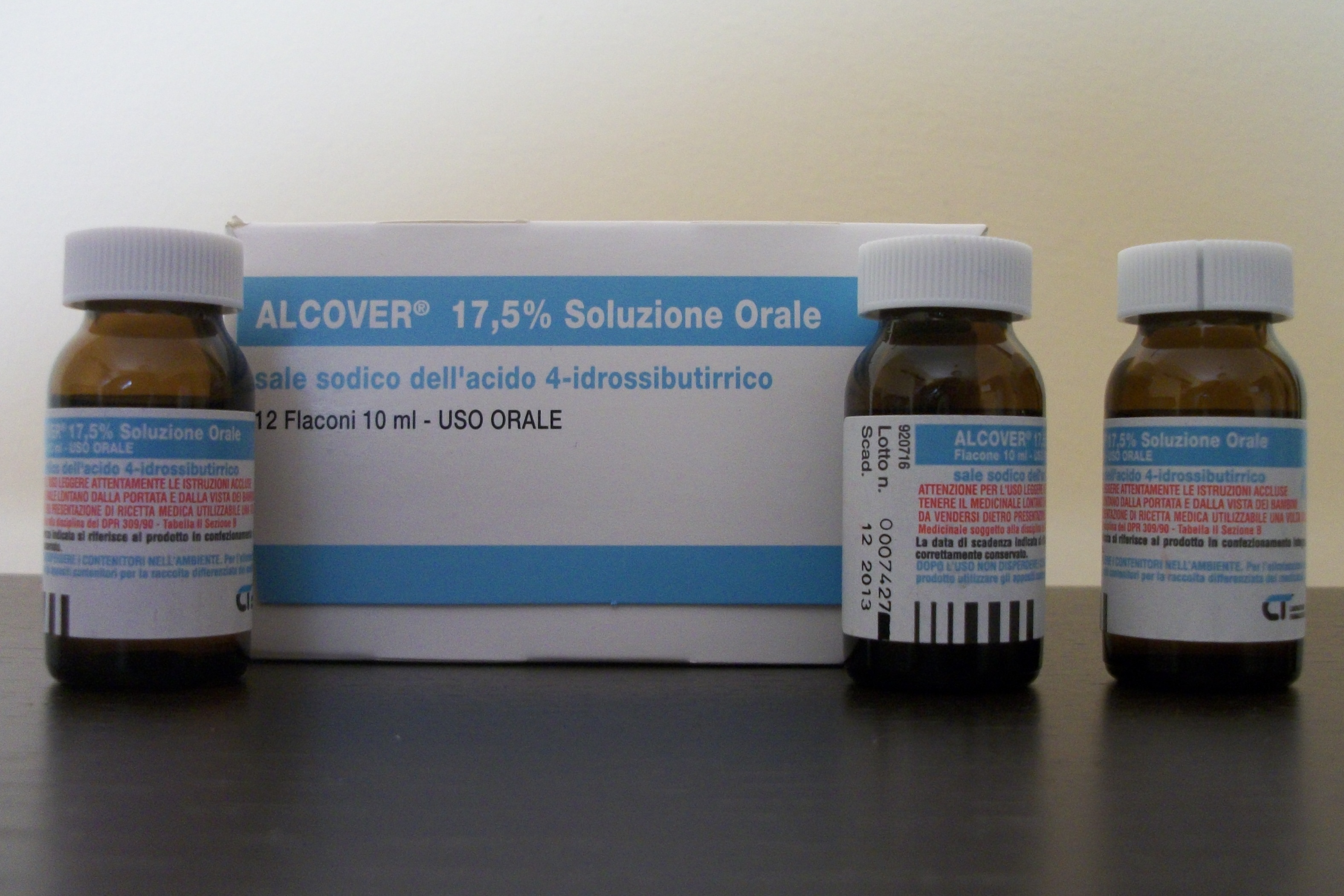
Sodium oxybate is also used therapeutically in Italy under the brand name Alcover for treatment of alcohol withdrawal and dependence.
References
References
- (2022). "Current Insights on the Impact of Gamma-Hydroxybutyrate (GHB) Abuse". Substance Abuse and Rehabilitation.
- (30 May 2024). "Therapeutic Goods (Poisons Standard—June 2024) Instrument 2024".
- Anvisa. (2023-03-31). "RDC Nº 784 - Listas de Substâncias Entorpecentes, Psicotrópicas, Precursoras e Outras sob Controle Especial". [[Diário Oficial da União]].
- "What is GHB?".
- https://fass.se/health/product/20040607004715/smpc#:~:text=Om%20l%C3%A4kemedlet-,Narkotikaklass%20II,-S%C3%A4rskilt%20l%C3%A4kemedel
- https://go.drugbank.com/drugs/DB09072#:~:text=9-,Sodium%20oxybate,Carbon%20dioxide%20+%20Water,-Route
- (2010). "Manual of forensic emergency medicine: a guide for clinicians". Jones and Bartlett Publishers.
- (8 January 2020). "Pingers, pingas, pingaz: how drug slang affects the way we use and understand drugs". [[The Conversation (website).
- "GHB/GBL "G"".
- (28 July 2010). "Sodium Oxybate: MedlinePlus Drug Information". Nlm.nih.gov.
- (8 January 2007). "Toxicity, Gamma-Hydroxybutyrate". [[eMedicine]].
- (1993). "From Chocolate to Morphine". Houghton Mifflin Company.
- (May 2012). "The use of sodium oxybate to treat narcolepsy". Expert Review of Neurotherapeutics.
- (April 2015). "Novel strategies to treat alcohol dependence with sodium oxybate according to clinical practice". European Review for Medical and Pharmacological Sciences.
- (January 2014). "Sodium oxybate: a review of its use in alcohol withdrawal syndrome and in the maintenance of abstinence in alcohol dependence". Clinical Drug Investigation.
- (February 2010). "Gamma-hydroxybutyrate (GHB) for treatment of alcohol withdrawal and prevention of relapses". The Cochrane Database of Systematic Reviews.
- (2010). "cochranelibrary.com". The Cochrane Database of Systematic Reviews.
- (June 2015). "An update on pharmacotherapy for the treatment of fibromyalgia". Expert Opinion on Pharmacotherapy.
- (August 2011). "Sodium oxybate for the treatment of fibromyalgia". Expert Opinion on Pharmacotherapy.
- "FDA Approval Letter for Xyrem; Indication: Cataplexy associated with narcolepsy; 17 July 2002".
- "FDA Approval Letter for Xyrem; Indication: EDS (Excessive Daytime Sleepiness) associated with narcolepsy; 18 November 2005".
- (December 1990). "The effects of gamma-hydroxybutyrate on the sleep of narcolepsy patients: a double-blind study". Sleep.
- (1991). "Long-Term Effect of Gamma-Hydroxybutyrate on Sleep in Narcolepsy Patients". Sleep Research.
- (August 1997). "Simultaneous stimulation of slow-wave sleep and growth hormone secretion by gamma-hydroxybutyrate in normal young Men". The Journal of Clinical Investigation.
- (January 1991). "Letter to Editor on article: Re: Narcolepsy Review (Aldrich MS: 8-9-91)". The New England Journal of Medicine.
- "Xyrem- sodium oxybate solution".
- (June 7, 2023). "Lumryz- sodium oxybate for suspension, extended release".
- (July 2021). "Treating alcohol dependence with an abuse and misuse deterrent formulation of sodium oxybate: Results of a randomised, double-blind, placebo-controlled study". European Neuropsychopharmacology.
- "Xywav - calcium, magnesium, potassium, and sodium oxybates solution".
- (July 2012). "The clinical toxicology of γ-hydroxybutyrate, γ-butyrolactone and 1,4-butanediol". Clinical Toxicology.
- (January 2009). "Should ethanol be scheduled as a drug of high risk to public health?". Journal of Psychopharmacology.
- (April 2000). "Abuse and therapeutic potential of gamma-hydroxybutyric acid". Alcohol.
- (October 2006). "Gamma-hydroxybutyrate and ethanol effects and interactions in humans". Journal of Clinical Psychopharmacology.
- [http://www.erowid.org/chemicals/ghb/ghb_health.shtml "The Vaults Of Erowid"] {{Webarchive. link. (22 November 2015 . Erowid.org (18 March 2009). Retrieved on 27 September 2012.)
- (January 2015). "GHB pharmacology and toxicology: acute intoxication, concentrations in blood and urine in forensic cases and treatment of the withdrawal syndrome". Current Neuropharmacology.
- "Production of nonhygroscopic salts of 4-hydroxybutyric acid".
- "1,4-Butanediol". U.S National Library of Medicine.
- (October 2013). "GHB acid: A rage or reprive". Journal of Advanced Pharmaceutical Technology & Research.
- (June 2001). "Suspicious death related to gamma-hydroxybutyrate (GHB) toxicity". Journal of Clinical Forensic Medicine.
- (December 1998). "Gamma-hydroxybutyric acid: an emerging recreational drug". Anaesthesia.
- (September 2009). "Illicit gamma-hydroxybutyrate (GHB) and pharmaceutical sodium oxybate (Xyrem): differences in characteristics and misuse". Drug and Alcohol Dependence.
- (February 2004). "Rave drugs: pharmacological considerations". AANA Journal.
- US Drug Enforcement Administration. "GHB, GBL and 1,4BD as Date Rape Drugs".
- (12 May 1999). "Warning on Risk of 'Party Drug' Chemicals". The New York Times.
- (September 2010). "The involvement of gamma-hydroxybutyrate in reported sexual assaults: a systematic review". Journal of Psychopharmacology.
- (1999). "Prevalence of drugs used in cases of alleged sexual assault". Journal of Analytical Toxicology.
- (16 November 2006). "No evidence to suggest widespread date rape drug use'".
- (16 November 2006). "Date-rape drugs 'not widespread'". BBC News.
- [https://web.archive.org/web/20081007071413/http://www.udel.edu/wellspring/SOS/drugs.htm Alcohol and other popular Date Rape Drugs]. udel.edu
- (10 July 2008). "Labs making date-rape drug raided". The Independent.
- (March 2024). "A multicentre case series of analytically confirmed gamma-hydroxybutyrate intoxications in Western Australian emergency departments: Pre-hospital circumstances, co-detections and clinical outcomes". Drug and Alcohol Review.
- (16 January 2009). "Remembering Samantha Reid: 10th anniversary of teen's GHB death". thenewsherald.com.
- (23 November 2016). "Stephen Port: Serial killer guilty of murdering four men". BBC News.
- (January 2003). "Testing for GHB in hair by GC/MS/MS after a single exposure. Application to document sexual assault". Journal of Forensic Sciences.
- (20 June 2013). "Drink Speaks the Truth: Forensic Investigation of Drug Facilitated Sexual Assaults". Forensic Magazine.
- (2015). "Measurement of exogenous gamma-hydroxybutyric acid (GHB) in urine using isotope ratio mass spectrometry (IRMS)". Toxichem Krimtech.
- (November 2010). "Drug harms in the UK: a multicriteria decision analysis". Lancet.
- (1999). "The role of gamma-hydroxybutyric acid in the treatment of alcoholism: from animal to clinical studies". Alcohol and Alcoholism.
- Zvosec et al. [https://web.archive.org/web/20071203005230/http://www.aafs.org/pdf/Seattleabstracts06.pdf Proceedings of the American Academy of Forensic Science in Seattle, 2006]. Web.archive.org (3 December 2007). Retrieved on 24 December 2011.
- (March 2011). "Case series of 226 γ-hydroxybutyrate-associated deaths: lethal toxicity and trauma". The American Journal of Emergency Medicine.
- (April 2009). "Three deaths associated with use of Xyrem". Sleep Medicine.
- (April 2009). "Xyrem safety: the debate continues". Sleep Medicine.
- (January 2010). "Response to Editorial: "Xyrem safety: The debate continues"". Sleep Medicine.
- (December 2004). "Adolescent gamma-hydroxybutyric acid exposure decreases cortical N-methyl-D-aspartate receptor and impairs spatial learning". Pharmacology, Biochemistry, and Behavior.
- (August 2006). "[Effects of subchronic administration of gammahydroxybutyrate (GHB) on spatial working memory in rats]". Psicothema.
- (October 2008). "Gamma-hydroxybutyric acid-induced cognitive deficits in the female adolescent rat". Annals of the New York Academy of Sciences.
- (February 2007). "Gamma-hydroxybutyric acid induces oxidative stress in cerebral cortex of young rats". Neurochemistry International.
- (June 2009). "Effects of 1,4-butanediol administration on oxidative stress in rat brain: study of the neurotoxicity of gamma-hydroxybutyric acid in vivo". Metabolic Brain Disease.
- Department of Health and Human Services, SAMHSA Office of Applied Studies 2005 National Survey on Drug Use and Health (ages 12 years and up); American Heart Association; Johns Hopkins University study, Principles of Addiction Medicine; Psychology Today; National Gambling Impact Commission Study; National Council on Problem Gambling; Illinois Institute for Addiction Recovery; Society for Advancement of Sexual Health; All Psych Journal
- [https://web.archive.org/web/20100223062656/http://www.time.com/time/interactive/0,31813,1640235,00.html Addiction and the Brain]. Time
- (October 1995). "Oral self-administration of gamma-hydroxybutyric acid in the rat". European Journal of Pharmacology.
- "Is GHB toxic? Addictive? Dangerous?". lycaeum.org.
- (January 1997). "Gamma-hydroxybutyrate: an emerging drug of abuse that causes physical dependence". Addiction.
- "GHB: An Important Pharmacologic and Clinical Update". Ualberta.ca.
- (March 2017). "Sedative-Hypnotic Drug Withdrawal Syndrome: Recognition And Treatment". Emergency Medicine Practice.
- (2008). "Baclofen and gamma-hydroxybutyrate withdrawal". Neurocritical Care.
- (January 2009). "Behavioral analyses of GHB: receptor mechanisms". Pharmacology & Therapeutics.
- (2009). "Gamma-hydroxybutyrate withdrawal syndrome: dangerous but not well-known". General Hospital Psychiatry.
- (April 2006). "Best evidence topic report. Gammahydroxybutyrate overdose and physostigmine". Emergency Medicine Journal.
- (January 2005). "Best evidence topic report: endotracheal intubation in gamma-hydroxybutyric acid intoxication and overdose". Emergency Medicine Journal.
- (August 2012). "γ-Hydroxybutyrate (GHB)-induced respiratory depression: combined receptor-transporter inhibition therapy for treatment in GHB overdose". Molecular Pharmacology.
- (March 2011). "Case series of 226 γ-hydroxybutyrate-associated deaths: lethal toxicity and trauma". The American Journal of Emergency Medicine.
- (2022). "StatPearls". StatPearls Publishing.
- (June 2005). "Resuscitative effect of a gamma-aminobutyric acid B receptor antagonist on gamma-hydroxybutyric acid mortality in mice". Annals of Emergency Medicine.
- (September 2004). "Suspected GHB overdoses in the emergency department". Journal of Analytical Toxicology.
- (2005). "Analysis of GHB and 4-methyl-GHB in postmortem matrices after long-term storage". Journal of Analytical Toxicology.
- R. Baselt, ''Disposition of Toxic Drugs and Chemicals in Man'', 8th edition, Biomedical Publications, Foster City, CA, 2008, pp. 680–84.
- (August 2016). "New spit test for 'date rape' drug developed in the UK". BBC News.
- (October 1998). "Neurochemical and electrophysiological evidence for the existence of a functional gamma-hydroxybutyrate system in NCB-20 neurons". Neuroscience.
- (2002). "Antiepileptic drugs". Lippincott Williams & Wilkins.
- link. (6 April 2023 . Retrieved 6 March 2010.)
- (September 2003). "Cloning and characterization of a rat brain receptor that binds the endogenous neuromodulator gamma-hydroxybutyrate (GHB)". FASEB Journal.
- (April 1994). "Displacement of [3H] gamma-hydroxybutyrate binding by benzamide neuroleptics and prochlorperazine but not by other antipsychotics". European Journal of Pharmacology.
- (July 1999). "gamma-Hydroxybutyrate modulates synthesis and extracellular concentration of gamma-aminobutyric acid in discrete rat brain regions in vivo". The Journal of Pharmacology and Experimental Therapeutics.
- (October 2003). "Effect of gamma-hydroxybutyrate in two rat models of focal cerebral damage". Brain Research.
- (July 2005). "The presence of gamma-hydroxybutyric acid (GHB) and gamma-butyrolactone (GBL) in alcoholic and non-alcoholic beverages". Forensic Science International.
- (January 1971). "Blood-brain barrier to H3-gamma-aminobutyric acid in normal and amino oxyacetic acid-treated animals". Neuropharmacology.
- (December 2004). "Gamma-hydroxybutyric acid (GHB) and gamma-aminobutyric acidB receptor (GABABR) binding sites are distinctive from one another: molecular evidence". Neuropharmacology.
- (December 1999). "Gamma-hydroxybutyrate receptor function studied by the modulation of nitric oxide synthase activity in rat frontal cortex punches". Biochemical Pharmacology.
- (March 2005). "[A mechanism for gamma-hydroxybutyrate (GHB) as a drug and a substance of abuse]". Médecine/Sciences.
- (2004). "Gamma-hydrobutyric acid (GHB) and its chemical modifications: a review of the GHBergic system". Polish Journal of Pharmacology.
- (May 2008). "From ultrasocial to antisocial: a role for oxytocin in the acute reinforcing effects and long-term adverse consequences of drug use?". British Journal of Pharmacology.
- (March 2002). "Gamma-hydroxybutyrate increases tryptophan availability and potentiates serotonin turnover in rat brain". Life Sciences.
- (1983). "Effect of gammahydroxybutyric acid on serotonin synthesis, concentration and metabolism in the developing rat brain". Journal of Neural Transmission.
- (2006). "gamma-Hydroxybutyrate/sodium oxybate: neurobiology, and impact on sleep and wakefulness". CNS Drugs.
- (September 2005). "Drosophila GABA(B) receptors are involved in behavioral effects of gamma-hydroxybutyric acid (GHB)". European Journal of Pharmacology.
- (2005). "Gamma-hydroxybutyric acid (GHB) and the mesoaccumbens reward circuit: evidence for GABA(B) receptor-mediated effects". Neuroscience.
- (November 2003). "Selective gamma-hydroxybutyric acid receptor ligands increase extracellular glutamate in the hippocampus, but fail to activate G protein and to produce the sedative/hypnotic effect of gamma-hydroxybutyric acid". Journal of Neurochemistry.
- (2016). "The Neurobiological Mechanisms of Gamma-Hydroxybutyrate Dependence and Withdrawal and Their Clinical Relevance: A Review". Neuropsychobiology.
- (June 1995). "Presynaptic gamma-hydroxybutyric acid (GHB) and gamma-aminobutyric acidB (GABAB) receptor-mediated release of GABA and glutamate (GLU) in rat thalamic ventrobasal nucleus (VB): a possible mechanism for the generation of absence-like seizures induced by GHB". The Journal of Pharmacology and Experimental Therapeutics.
- (March 1991). "Extracellular events induced by gamma-hydroxybutyrate in striatum: a microdialysis study". Journal of Neurochemistry.
- (November 1990). "A specific gamma-hydroxybutyrate receptor ligand possesses both antagonistic and anticonvulsant properties". The Journal of Pharmacology and Experimental Therapeutics.
- (June 1988). "Effect of low doses of gamma-hydroxybutyric acid on serotonin, noradrenaline, and dopamine concentrations in rat brain areas". Neurochemical Research.
- (September 1995). "Tonic GABA-ergic modulation of striatal dopamine release studied by in vivo microdialysis in the freely moving rat". European Journal of Pharmacology.
- (1989). "Gammahydroxybutyrate: an endogenous regulator of energy metabolism". Neuroscience and Biobehavioral Reviews.
- (July 2010). "Behavioral effects of gamma-hydroxybutyrate in humans". Behavioural Pharmacology.
- (May 2003). "A tertiary alcohol analog of gamma-hydroxybutyric acid as a specific gamma-hydroxybutyric acid receptor ligand". The Journal of Pharmacology and Experimental Therapeutics.
- (January 2021). "γ-Hydroxybutyric Acid: Pharmacokinetics, Pharmacodynamics, and Toxicology". The AAPS Journal.
- (May 2020). "Kinetics aspects of Gamma-hydroxybutyrate dehydrogenase". Biochimica et Biophysica Acta (BBA) - Proteins and Proteomics.
- (March 2016). "The Neurobiological Mechanisms of Gamma-Hydroxybutyrate Dependence and Withdrawal and Their Clinical Relevance: A Review". Neuropsychobiology.
- (2012). "Early Russian organic chemists and their legacy". Springer.
- (1874). "Über die Reduction des Succinylchlorids". [[Liebigs Annalen der Chemie]].
- (2012). "Critical review of gamma-hydroxybutyric acid (GHB)".
- (October 1960). "[Generalities concerning the experimental study and clinical use of gamma hydroxybutyrate of Na]". Agressologie.
- (31 March 2017). "Alcover: Riassunto delle Caratteristiche del Prodotto". Agenzia Italiana del Farmaco.
- (January 1992). "Identification of substances formed by decomposition of peak E substance in tryptophan". Food and Chemical Toxicology.
- (November 2005). "A heretofore undisclosed crux of eosinophilia-myalgia syndrome: compromised histamine degradation". Inflammation Research.
- (2010). "Nutritional and herbal therapies for children and adolescents: a handbook for mental health clinicians". Elsevier/AP.
- (November 1990). "Multistate outbreak of poisonings associated with illicit use of gamma hydroxy butyrate". MMWR. Morbidity and Mortality Weekly Report.
- (July 1991). "gamma-Hydroxybutyrate: a health-food product producing coma and seizurelike activity". The American Journal of Emergency Medicine.
- (2002). "Proposed Framework for Evaluating the Safety of Dietary Supplements: For Comment.". National Academies Press (US).
- (November 2002). "GHB: A Club Drug To Watch". Substance Abuse Treatment Advisory.
- (July 2002). "Gamma hydroxybutyric acid (GHB) intoxication". Academic Emergency Medicine.
- (7 November 2007). "Australia bans China-made toy on toxic drug risk". Reuters.
- (13 March 2000). "2000 – Addition of Gamma-Hydroxybutyric Acid to Schedule I". US Department of Justice via the Federal Register.
- (October 2025). "GAMMA HYDROXYBUTYRIC ACID". [[Drug Enforcement Administration]].
- (18 February 2000). "William J. Clinton: Statement on Signing the Hillory J. Farias and Samantha Reid Date-Rape Drug Prohibition Act of 2000".
- (2002). "Gamma Hydroxybutyrate (GHB)".
- (3 October 2013). "ACMD advice on the scheduling of GHB". UK Home Office.
- (2015). "Circular 001/2015: A Change to the Misuse of Drugs Act 1971: control of AH-7921, LSD–related compounds, tryptamines, and rescheduling of GHB". UK Home Office.
- (11 December 2014). "The Misuse of Drugs (Amendment No. 3) (England, Wales and Scotland) Regulations 2014". UK Home Office.
- "The Misuse of Drugs Act 1971 (Amendment) Order 2022". www.legislation.gov.uk.
- "Controlled Drugs and Substances Act, SC 1996, c 19". Canadian Legal Information Institute.
- "FOR 30 June 1978 nr 08: Forskrift om narkotika m.v. (Narkotikalisten)".
- "compendium.ch".
- (2006). "GHB urine concentrations after single-dose administration in humans". Journal of Analytical Toxicology.
This article was imported from Wikipedia and is available under the Creative Commons Attribution-ShareAlike 4.0 License. Content has been adapted to SurfDoc format. Original contributors can be found on the article history page.
Ask Mako anything about Γ-Hydroxybutyric acid — get instant answers, deeper analysis, and related topics.
Research with MakoFree with your Surf account
Create a free account to save articles, ask Mako questions, and organize your research.
Sign up freeThis content may have been generated or modified by AI. CloudSurf Software LLC is not responsible for the accuracy, completeness, or reliability of AI-generated content. Always verify important information from primary sources.
Report