From Surf Wiki (app.surf) — the open knowledge base
El Clásico
Name for FC Barcelona and Real Madrid CF rivalry
.jpg)
Name for FC Barcelona and Real Madrid CF rivalry
| Field | Value |
|---|---|
| name | El Clásico |
| native_name | El Clásico (Spanish) |
| El Clàssic (Catalan) | |
| image | Final SuperCopa ESP 2011 (6056383408).jpg |
| caption | Barcelona and Real Madrid in the 2011 Supercopa de España |
| city or region | Spain |
| teams involved | Barcelona |
| Real Madrid | |
| most wins | Real Madrid (106) |
| most player appearances | Sergio Busquets (48) |
| top scorer | Lionel Messi (26)Does not include a goal scored in the friendly 2017 International Champions Cup. |
| firstmeeting | 13 May 1902 |
| Copa de la Coronación | |
| FC Barcelona 3–1 Madrid FC | |
| mostrecent | 11 January 2026 |
| Supercopa de España | |
| Barcelona 3–2 Real Madrid | |
| nextmeeting | 10 May 2026 |
| La Liga | |
| Barcelona v Real Madrid | |
| total | 263 (official matches) |
| largestvictory | Real Madrid 11–1 Barcelona |
| Copa del Rey | |
| (19 June 1943) | |
| stadiums | Camp Nou (Barcelona) |
| Bernabéu (Real Madrid) | |
| longeststreak | 7 matches |
| Real Madrid | |
| (1962–1965) | |
| map_location | Spain |
| coordinates1 | |
| map_mark1 | Red pog.svg |
| map_label1 | Barcelona |
| map_label1_position | left |
| coordinates2 | |
| map_mark2 | Blue pog.svg |
| map_label2 | Real Madrid |
| map_label2_position | right |
El Clàssic (Catalan) Real Madrid Copa de la Coronación FC Barcelona 3–1 Madrid FC Supercopa de España Barcelona 3–2 Real Madrid La Liga Barcelona v Real Madrid Copa del Rey (19 June 1943) Bernabéu (Real Madrid) Real Madrid (1962–1965)
El Clásico (in Spanish, also in lowercase letters; ) or El Clàssic (in Catalan, ), both meaning "The Classic", is the name given to any football match between rival clubs Barcelona and Real Madrid. Originally referring to competitions held in the Spanish championship, the term now includes every match between the clubs, such as those in the UEFA Champions League, Copa del Rey, and Supercopa de España. It is considered one of sport's fiercest rivalries, and its matches have a global audience of hundreds of millions. A fixture known for its intensity, it has featured memorable goal celebrations from both teams, often involving mockery from both sides.
The fixture carries a large-scale political connotation due to the Catalan independence movement, with the two clubs often identified with opposing political positions; Madrid is the capital and largest city of Spain and hence identified with Spanish unionism, while Barcelona is the capital and largest city of the autonomous community of Catalonia and hence identified with Catalan separatism. They are among the wealthiest and most successful football clubs in the world; in 2024, Forbes ranked Real Madrid and Barcelona among the most valuable football teams in the world, in first and third place respectively.
Real Madrid leads in head-to-head results in official competitive matches with 106 wins to Barcelona's 105, with 52 draws as of the match played on 11 January 2026. Along with Athletic Bilbao, they are the only clubs in La Liga to have never been relegated.
Rivalry
History

The conflict between Real Madrid and Barcelona has long surpassed the sporting dimension, so much that elections to the clubs' presidencies have been strongly politicized. Phil Ball, the author of Morbo: The Story of Spanish Football, says about the match, "they hate each other with an intensity that can truly shock the outsider".
As early as the 1930s, Barcelona "had developed a reputation as a symbol of Catalan identity, opposed to the centralising tendencies of Madrid". In 1936, when Francisco Franco started the coup d'état against the democratic Second Spanish Republic, the president of Barcelona, Josep Sunyol, member of the Republican Left of Catalonia and Deputy to The Cortes, was arrested and executed without trial by Franco's troops (Sunyol was exercising his political activities, visiting Republican troops north of Madrid). During the dictatorships of Miguel Primo de Rivera and especially Francisco Franco, all regional languages and identities in Spain were frowned upon and restrained. As such, most citizens of Barcelona were in strong opposition to the fascist-like regime. In this period, Barcelona gained their motto Més que un club (English: More than a club) because of its alleged connection to Catalan nationalist as well as to progressive beliefs.
There is an ongoing controversy as to what extent Franco's rule (1939–75) influenced the activities and on-pitch results of both Barcelona and Real Madrid. Most historians agree that Franco did not have a preferred football team, but his Spanish nationalist beliefs led him to associate himself with the establishment teams, such as Atlético Aviación and Madrid FC (which recovered its royal name after the fall of the Republic). On the other hand, he also wanted the renamed CF Barcelona to succeed as a "Spanish team" rather than a Catalan one. During the early years of Franco's rule, Real Madrid were not particularly successful, winning two Copa del Generalísimo titles and a Copa Eva Duarte; Barcelona claimed three league titles, one Copa del Generalísimo and one Copa Eva Duarte. During that period, Atlético Aviación were believed to be the preferred team over Real Madrid. Events of the period include Real Madrid's 11–1 home win against Barcelona in the Copa del Generalísimo, where the Catalan team alleged intimidation, and the controversial transfer of Alfredo Di Stéfano to Real Madrid despite his agreement with Barcelona. The latter transfer was part of Real Madrid chairman Santiago Bernabéu's "revolution" that ushered in the era of unprecedented dominance. Bernabéu, himself a veteran of the Civil War who fought for Franco's forces, saw Real Madrid on top not only of Spanish but also European football, helping create the European Cup, the first true competition for Europe's best club sides. His vision was fulfilled when Real Madrid not only started winning consecutive league titles but also won the first five editions of the European Cup in the 1950s. These events had a profound impact on Spanish football and influenced Franco's attitude. According to historians, during this time he realized the importance of Real Madrid for his regime's international image, and the club became his preferred team until his death. Fernando Maria Castiella, who served as Minister of Foreign Affairs under Franco from 1957 until 1969, noted that "[Real Madrid] is the best embassy we have ever had." Franco died in 1975, and the Spanish transition to democracy soon followed. Under his rule, Real Madrid had won 14 league titles, 6 Copa del Generalísimo titles, 1 Copa Eva Duarte, 6 European Cups, 2 Latin Cups and 1 Intercontinental Cup. In the same period, Barcelona had won 8 league titles, 9 Copa del Generalísimo titles, 3 Copa Eva Duarte titles, 3 Inter-Cities Fairs Cups, and 2 Latin Cups.
The image for both clubs was further affected by the creation of ultras groups, some of which became hooligans. In 1980, Ultras Sur was founded as a far-right-leaning Real Madrid ultras group, followed in 1981 by the foundation of the – initially left-leaning, and later on far-right – Barcelona ultras group Boixos Nois. Both groups became known for their violent acts, and one of the most conflictive factions of Barcelona supporters, the Casuals, became a full-fledged criminal organisation.
For many people, Barcelona is still considered "the rebellious club", or the alternative pole to "Real Madrid's conservatism". According to polls released by CIS (Centro de Investigaciones Sociológicas), Real Madrid is the favorite team of the most Spanish residents, while Barcelona stands in second position. In Catalonia, forces of all the political spectrum are overwhelmingly in favour of Barcelona. Nevertheless, the support of the blaugrana club (Barcelona) goes far beyond from that region, earning its best results among young people, sustainers of a federal structure of Spain and citizens with left-wing ideology, in contrast with Real Madrid fans which politically tend to adopt right-wing views.
1943 Copa del Generalísimo semi-finals
Main article: Real Madrid v FC Barcelona (1943 Copa del Generalísimo)
thumb|Cover of [[Marca (newspaper)|Marca]] newspaper titled "an extraordinary match of Real Madrid" to describe the 11–1 win over Barcelona. On 13 June 1943, Real Madrid beat Barcelona 11–1 at the Chamartín in the second leg of the Copa del Generalísimo semi-finals (the Copa del Presidente de la República having been renamed in honour of General Franco). The first leg, played at the Les Corts in Catalonia, had ended with Barcelona winning 3–0. Madrid complained about all the three goals that referee Fombona Fernández had allowed for Barcelona, with the home supporters also whistling Madrid throughout, whom they accused of employing roughhouse tactics, and Fombona for allowing them to. Barça's Josep Escolà was stretchered off in the first half with José María Querejeta's stud marks in his stomach. A campaign began in Madrid. The newspaper Ya reported the whistling as a "clear intention to attack the representatives of Spain." Barcelona player Josep Valle recalled: "The press officer at the DND and ABC newspaper wrote all sorts of scurrilous lies, really terrible things, winding up the Madrid fans like never before". Former Real Madrid goalkeeper Eduardo Teus, who admitted that Madrid had "above all played hard", wrote in a newspaper: "the ground itself made Madrid concede two of the three goals, goals that were totally unfair".
Barcelona fans were banned from traveling to Madrid. Real Madrid released a statement after the match which former club president Ramón Mendoza explained, "The message got through that those fans who wanted to could go to El Club bar on Calle de la Victoria where Madrid's social center was. There, they were given a whistle. Others had whistles handed to them with their tickets." The day of the second leg, the Barcelona team were insulted and stones were thrown at their bus as soon as they left their hotel. Barcelona's striker Mariano Gonzalvo said of the incident, "Five minutes before the game had started, our penalty area was already full of coins." Barcelona goalkeeper Lluis Miró rarely approached his line—when he did, he was armed with stones. As Francisco Calvet told the story, "They were shouting: Reds! Separatists!... a bottle just missed Sospedra that would have killed him if it had hit him. It was all set up."
Real Madrid went 2–0 up within half an hour. The third goal brought with it a sending off for Barcelona's Benito García after he made what Calvet claimed was a "completely normal tackle". Madrid's José Llopis Corona recalled, "At which point, they got a bit demoralized," while Ángel Mur countered, "at which point, we thought: 'go on then, score as many as you want'." Madrid scored in minutes 31', 33', 35', 39', 43' and 44', as well as two goals ruled out for offside, made it 8–0. Juan Samaranch wrote: "In that atmosphere and with a referee who wanted to avoid any complications, it was humanly impossible to play... If the azulgranas had played badly, really badly, the scoreboard would still not have reached that astronomical figure. The point is that they did not play at all." Both clubs were fined 2,500 pesetas by the Royal Spanish Football Federation and, although Barcelona appealed, it made no difference. Piñeyro resigned in protest, complaining of "a campaign that the press has run against Barcelona for a week and which culminated in the shameful day at Chamartín".
The match report in the newspaper La Prensa described Barcelona's only goal as a "reminder that there was a team there who knew how to play football and that if they did not do so that afternoon, it was not exactly their fault". Another newspaper called the scoreline "as absurd as it was abnormal". According to football writer Sid Lowe, "There have been relatively few mentions of the game [since] and it is not a result that has been particularly celebrated in Madrid. Indeed, the 11–1 occupies a far more prominent place in Barcelona's history. This was the game that first formed the identification of Madrid as the team of the dictatorship and Barcelona as its victims." Fernando Argila, Barcelona's reserve goalkeeper from the game, said, "There was no rivalry. Not, at least, until that game."
Di Stéfano transfer
.png)
The rivalry was intensified during the 1950s when the clubs disputed the signing of Argentine forward Alfredo Di Stéfano. Di Stéfano had impressed both Barcelona and Real Madrid while playing for Los Millonarios in Bogotá, Colombia, during a players' strike in his native Argentina. Soon after Millonarios' return to Colombia, Barcelona directors visited Buenos Aires and agreed with River Plate, the last FIFA-affiliated team to have held Di Stéfano's rights, for his transfer in 1954 for the equivalent of 150 million Italian lira ($200,000 according to other sources). This started a battle between the two Spanish rivals for his rights. FIFA appointed Armando Muñoz Calero, former president of the Spanish Football Federation, as mediator. Calero decided to let Di Stéfano play the 1953–54 and 1955–56 seasons in Madrid, and the 1954–55 and 1956–57 seasons in Barcelona. The agreement was approved by the Football Association and their respective clubs. Although the Catalans agreed, the decision created discontent among various Blaugrana members and the president was forced to resign in September 1953. Barcelona sold Madrid their half-share, and Di Stéfano moved to Los Blancos, signing a four-year contract. Real paid 5.5 million Spanish pesetas for the transfer, plus a 1.3 million bonus for the purchase, an annual fee to be paid to Millonarios, and a 16,000 salary for Di Stéfano with a bonus double that of his teammates, for a total of 40% of the annual revenue of the Madrid club.
Di Stéfano became integral in the subsequent success achieved by Real Madrid, scoring twice in his first game against Barcelona. With him, Madrid won the first five editions of the European Cup. The 1960s saw the rivalry reach the European stage when Real Madrid and Barcelona met twice in the European Cup, with Madrid triumphing en route to their fifth consecutive title in 1959–60 and Barcelona prevailing en route to losing the final in 1960–61.
Final of the bottles
On 11 July 1968, Barcelona beat Real Madrid 1–0 in the Copa del Generalísimo final at the Santiago Bernabéu. Real Madrid fans, angry about the refereeing, started throwing bottles at the referee and Barcelona players in the last minutes of the match. Antonio Rigo, the referee of the final, was accused of favouring Barcelona. Regarding the two not awarded penalties, he said "I didn't see a penalty on Amancio, and Serena tripped. He wanted to deceive me by diving when he entered the penalty area." He also accused the Real Madrid manager of trying to bribe him with a pre-match gift. General Franco presented the trophy to Barcelona with a pitch full of bottles, hence the name.
Luís Figo transfer

In 2000, Real Madrid's then-presidential candidate, Florentino Pérez, offered Barcelona's vice-captain Luís Figo $2.4 million to sign an agreement binding him to Madrid if he won the elections. If Figo broke the deal, he would have to pay Pérez $30 million in compensation. When his agent confirmed the deal, Figo denied everything, insisting, "I'll stay at Barcelona whether Pérez wins or loses." He accused the presidential candidate of "lying" and "fantasizing". He told Barcelona teammates Luis Enrique and Pep Guardiola he was not leaving and they conveyed the message to the Barcelona squad.
On 9 July, Sport ran an interview in which he said, "I want to send a message of calm to Barcelona's fans, for whom I always have and always will feel great affection. I want to assure them that Luís Figo will, with absolute certainty, be at the Camp Nou on the 24th to start the new season... I've not signed a pre-contract with a presidential candidate at Real Madrid. No. I'm not so mad as to do a thing like that."
Barcelona's new president, Joan Gaspart, called the media and told them, "Today, Figo gave me the impression that he wanted to do two things: get richer and stay at Barça." However, the following day, 24 July, Figo was presented in Madrid and handed his new shirt by Alfredo Di Stéfano. His buyout clause was set at $180 million. Gaspart later admitted, "Figo's move destroyed us."
On his return to Barcelona in a Real Madrid shirt, banners with "Judas", "Scum" and "Mercenary" were hung around the stadium. Thousands of fake 10,000 peseta notes had been printed and emblazoned with his image, were among the missiles of oranges, bottles, cigarette lighters, even a couple of mobile phones were thrown at him. In his third season with Real Madrid, the 2002 Clásico at Camp Nou produced one of the defining images of the rivalry. Figo was taunted throughout; missiles of coins, a knife, a whisky bottle, were raining down from the stands, mostly from areas populated by the Boixos Nois where he had been taking a corner. Among the debris was a pig's head.
Recent issues

During the last decades, the rivalry has been augmented by the modern Spanish tradition of the pasillo, where one team is given the guard of honor by the other team, once the former clinches the La Liga trophy before El Clásico takes place. This has happened on three occasions. First, during El Clásico that took place on 30 April 1988, in which Real Madrid had won the league championship in the previous round; then three years later, when Barcelona won the championship two rounds before El Clásico on 8 June 1991; and most recently on 7 May 2008, when Real Madrid had won the championship. In May 2018, Real Madrid refused to perform the pasillo for Barcelona even though the latter had already wrapped up the championship a round prior to their meeting. Real Madrid's coach at the time, Zinedine Zidane, reasoned that Barcelona also refused to perform it five months earlier, on 23 December 2017, when Real Madrid were the FIFA Club World Cup champions.
The two teams met again in the UEFA Champions League semi-finals in 2002, with Real winning 2–0 in Barcelona and drawing 1–1 in Madrid, resulting in a 3–1 aggregate win for Los Blancos. The tie was dubbed by Spanish media as the "Match of the Century".
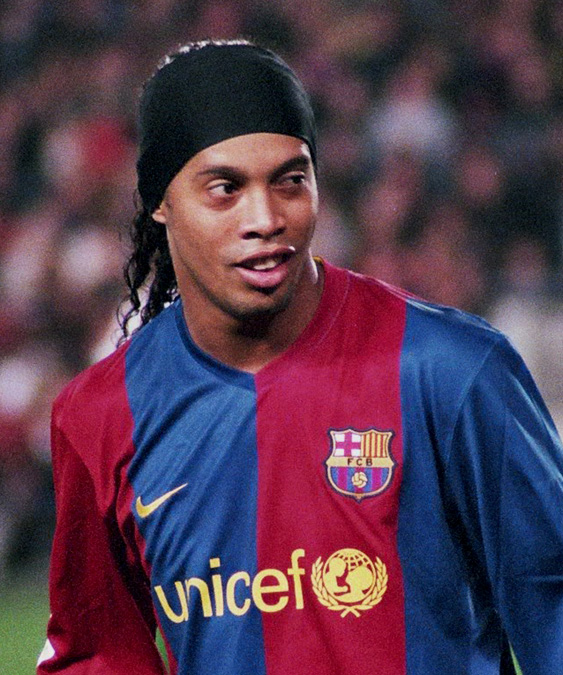
While El Clásico is regarded as one of the fiercest rivalries in world football, there have been rare moments when fans have shown praise for a player on the opposing team. In 1980, Laurie Cunningham was the first Real Madrid player to receive applause from Barcelona fans at Camp Nou; after excelling during the match, and with Madrid winning 2–0, Cunningham left the field to a standing ovation from the locals. On 26 June 1983, during the second leg of the Copa de la Liga final at the Santiago Bernabéu in Madrid, having dribbled past the Real Madrid goalkeeper, Barcelona star Diego Maradona ran towards an empty goal before stopping just as the Madrid defender Juan José came sliding in an attempt to block the shot and crashed into the post, before Maradona slotted the ball into the net. The manner of Maradona's goal led to many Madrid fans inside the stadium start applauding. In November 2005, Ronaldinho became the second Barcelona player to receive a standing ovation from Madrid fans at the Santiago Bernabéu. After dribbling through the Madrid defence twice to score two goals in a 3–0 win, Madrid fans paid homage to his performance with applause. On 21 November 2015, Andrés Iniesta became the third Barcelona player to receive applause from Real Madrid fans while he was substituted during a 4–0 away win, with Iniesta scoring Barça's third. He was already a popular figure throughout Spain for scoring the nation's World Cup-winning goal in 2010.
A 2007 survey by the Centro de Investigaciones Sociológicas showed that 32% of the Spanish population supported Real Madrid while 25% supported Barcelona. In third place came Valencia, with 5%. According to an Ikerfel poll in 2011, Barcelona is the most popular team in Spain with 44% of preferences, while Real Madrid is second with 37%. Atlético Madrid, Valencia and Athletic Bilbao complete the top five.
The rivalry intensified in 2011, when Barcelona and Real Madrid were scheduled to meet each other four times in 18 days, including the Copa Del Rey final and UEFA Champions League semi-finals. Several accusations of unsportsmanlike behaviour from both teams and a war of words erupted throughout the fixtures, which included four red cards. Spain national team coach Vicente del Bosque stated that he was "concerned" that due to the rising hatred between the two clubs, that this could cause friction in the Spain team.
A fixture known for its intensity and indiscipline, it has also featured memorable goal celebrations from both teams, often involving mocking the opposition. In October 1999, Real Madrid forward Raúl silenced 100,000 Barcelona fans at the Camp Nou when he scored an 86th–minute equalizer before he celebrated by putting a finger to his lips as if telling the crowd to be quiet. In May 2009, Barcelona captain Carles Puyol kissed his Catalan armband in front of Madrid fans at the Santiago Bernabéu after his 21st–minute headed goal in a 6–2 win. Cristiano Ronaldo twice gestured to the hostile crowd to "calm down" after scoring against Barcelona at the Camp Nou in 2012 and 2016, both being the winning goals in 2–1 wins. In April 2017, in Barcelona's 3–2 win, Messi celebrated his 93rd-minute winner against Real Madrid at the Santiago Bernabéu by taking off his Barcelona shirt and holding it up to incensed Real Madrid fans – with his name and number facing them. Later that year, in August, Ronaldo was subbed on during the 3–1 first-leg victory in the Supercopa de España, scored in the 80th minute, and took his shirt off before holding it up to Barça's fans with his name and number facing them. However, he was sent off moments later, having been awarded a second yellow card for simulation.
Player rivalries
László Kubala and Alfredo Di Stéfano (1953–1961)
Until the early 1950s, Real Madrid was not a regular title contender in Spain, having won only two Primera División titles between 1929 and 1953. However, things changed for Real after the arrival of Alfredo Di Stéfano in 1953, Paco Gento in the same year, Raymond Kopa in 1956, and Ferenc Puskás in 1958. Real Madrid's strength increased in this period until the team dominated Spain and Europe, while Barcelona relied on its Hungarian star László Kubala and Luis Suárez, who joined in 1955 in addition to the Hungarian players Sándor Kocsis and Zoltán Czibor and the Brazilian Evaristo. With the arrival of Kubala and Di Stéfano, Barcelona and Real Madrid became among the most important European clubs in those years, and the players represented the turning point in the history of their teams.
With Kubala and Di Stéfano, a rivalry was born, but it would still take a long time to become what it is today. This period was characterized by the abundance of matches in different tournaments, as they faced each other in all the tournaments available at the time, especially at the European level, where they met twice in two consecutive seasons. In their period, El Clásico was played 26 times: Real won 13 matches, Barcelona 10 matches, and 3 ended in a draw. Di Stéfano scored 14 and Kubala scored 4 goals in those matches.
Cristiano Ronaldo and Lionel Messi (2009–2018)
Main article: Messi–Ronaldo rivalry
The rivalry between Lionel Messi and Cristiano Ronaldo between 2009 and 2018 has been the most competitive in El Clásico history, with both players being their clubs' all-time top scorers. In their period, many records were broken for both clubs; the two players alternated as top scorers in La Liga and the Champions League during most seasons while they were with Real Madrid and Barcelona. During this period, Ronaldo won the European Golden Shoe three times and Messi five times. In addition, Messi won the Ballon d'Or five times and Ronaldo four times.
During the nine years they played together in Spain, the two players scored a total of 922 goals, including 38 goals in El Clásico matches, 20 scored by Messi and 18 by Ronaldo. As of 2024, Ronaldo is the all-time top scorer in the UEFA Champions League, followed by Messi in the second place. In addition, Messi is the all-time top scorer of La Liga with 474 goals, and Ronaldo is ranked second with 311 goals. Both players contributed to their club's record for the most points in La Liga history, with 100 points in the 2011–12 season for Real Madrid and in the 2012–13 season for Barcelona.
The Messi–Ronaldo rivalry was characterized by a lot of goals scored by both players, contributing to many domestic and European titles for both teams. Their clubs were dominant in Europe, as they won six Champions League titles in nine seasons, including five consecutive seasons between 2014 and 2018. In El Clásico matches, Messi has scored 26 goals in his career, which is the record. Ronaldo has scored 18, which is the joint second-most in the fixture's history alongside Di Stéfano. Ronaldo, on the other hand, has a slight advantage in terms of minutes per goal ratio, scoring a goal for every 141 minutes played in El Clásico matches. Only slightly behind is Messi, scoring a goal every 151.54 minutes.
In their period, the rivalry between Real Madrid and Barcelona has been encapsulated by the rivalry between Ronaldo and Messi. Following the star signings of Neymar and Luis Suárez by Barcelona, and Gareth Bale and Karim Benzema by Real Madrid, the rivalry was expanded to a battle of the clubs' attacking trios, nicknamed "BBC" (Bale–Benzema–Cristiano) and "MSN" (Messi–Suárez–Neymar). Ronaldo left Real Madrid for Juventus in 2018, and in the week prior to the first meeting of the teams in the 2018–19 La Liga, Messi sustained an arm injury, ruling him out of the match. It would be the first time since 2007 that the Clásico had featured neither player, with some in the media describing it as the 'end of an era'. Barcelona won the match 5–1.
Statistics
Matches summary
Main article: List of El Clásico matches
| Competition | Matches | Wins | Draws | Goals | Home wins | Home draws | Away wins | Other venue wins | RMA | BAR | RMA | BAR | RMA | BAR | RMA | BAR | RMA | BAR | RMA | BAR | La Liga | Copa de la Coronación | Copa del Rey | Copa de la Liga | Supercopa de España | UEFA Champions League | All competitions | 263 | 106 | 105 | 52 | 444 | 439 | 69 | 65 | 25 | 27 | 31 | 32 | 6 | 8 | Exhibition games | All matches | 306 | 112 | 130 | 64 | 500 | 545 | 73 | 77 | 30 | 34 | 31 | 38 | 8 | 15 | ||||||||||||||||||||||||||
|---|---|---|---|---|---|---|---|---|---|---|---|---|---|---|---|---|---|---|---|---|---|---|---|---|---|---|---|---|---|---|---|---|---|---|---|---|---|---|---|---|---|---|---|---|---|---|---|---|---|---|---|---|---|---|---|---|---|---|---|---|---|---|---|---|---|---|---|---|---|---|---|---|---|---|---|---|---|---|---|---|---|---|---|
| 191 | 80 | 76 | 35 | 309 | 310 | 57 | 52 | 15 | 20 | 23 | 24 | 0 | 0 | ||||||||||||||||||||||||||||||||||||||||||||||||||||||||||||||||||||||
| 1 | 0 | 1 | 0 | 1 | 3 | 0 | 0 | 0 | 0 | 0 | 0 | 0 | 1 | ||||||||||||||||||||||||||||||||||||||||||||||||||||||||||||||||||||||
| 38 | 13 | 17 | 8 | 71 | 71 | 5 | 7 | 5 | 3 | 4 | 6 | 4 | 4 | ||||||||||||||||||||||||||||||||||||||||||||||||||||||||||||||||||||||
| 6 | 0 | 2 | 4 | 8 | 13 | 0 | 1 | 2 | 2 | 0 | 1 | 0 | 0 | ||||||||||||||||||||||||||||||||||||||||||||||||||||||||||||||||||||||
| 19 | 10 | 7 | 2 | 42 | 32 | 6 | 4 | 1 | 1 | 2 | 0 | 2 | 3 | ||||||||||||||||||||||||||||||||||||||||||||||||||||||||||||||||||||||
| 8 | 3 | 2 | 3 | 13 | 10 | 1 | 1 | 2 | 1 | 2 | 1 | 0 | 0 | ||||||||||||||||||||||||||||||||||||||||||||||||||||||||||||||||||||||
| 43 | 6 | 25 | 12 | 56 | 106 | 4 | 12 | 5 | 7 | 0 | 6 | 2 | 7 |
Head-to-head ranking in La Liga (1929–2025)
Barcelona's positions are marked with a red background, while Real Madrid's positions are marked with a purple background.
| P. | 29 | 30 | 31 | 32 | 33 | 34 | 35 | 36 | 40 | 41 | 42 | 43 | 44 | 45 | 46 | 47 | 48 | 49 | 50 | 51 | 52 | 53 | 54 | 55 | 56 | 57 | 58 | 59 | 60 | 61 | 62 | 63 | 64 | 65 | 66 | 67 | 68 | 69 | 70 | 71 | 72 | 73 | 74 | 75 | 76 | 77 | 78 | 79 | 80 | 81 | 82 | 83 | 84 | 85 | 86 | 87 | 88 | 89 | 90 | 91 | 92 | 93 | 94 | 95 | 96 | 97 | 98 | 99 | 00 | 01 | 02 | 03 | 04 | 05 | 06 | 07 | 08 | 09 | 10 | 11 | 12 | 13 | 14 | 15 | 16 | 17 | 18 | 19 | 20 | 21 | 22 | 23 | 24 | 25 | 1 | 2 | 3 | 4 | 5 | 6 | 7 | 8 | 9 | 10 | 11 | 12 | 13 | 14 | 15 | 16 | 17 | 18 | 19 | 20 | 21 | 22 |
|---|---|---|---|---|---|---|---|---|---|---|---|---|---|---|---|---|---|---|---|---|---|---|---|---|---|---|---|---|---|---|---|---|---|---|---|---|---|---|---|---|---|---|---|---|---|---|---|---|---|---|---|---|---|---|---|---|---|---|---|---|---|---|---|---|---|---|---|---|---|---|---|---|---|---|---|---|---|---|---|---|---|---|---|---|---|---|---|---|---|---|---|---|---|---|---|---|---|---|---|---|---|---|---|---|---|---|---|---|---|---|---|---|---|---|---|---|
| 1 | 1 | 1 | 1 | 1 | 1 | 1 | 1 | 1 | 1 | 1 | 1 | 1 | 1 | 1 | 1 | 1 | 1 | 1 | 1 | 1 | 1 | 1 | 1 | 1 | 1 | 1 | 1 | 1 | 1 | 1 | 1 | 1 | 1 | 1 | 1 | 1 | 1 | 1 | 1 | 1 | 1 | 1 | 1 | 1 | 1 | 1 | 1 | 1 | 1 | 1 | 1 | 1 | 1 | 1 | 1 | 1 | 1 | 1 | 1 | 1 | 1 | 1 | 1 | |||||||||||||||||||||||||||||||||||||||||||||||||||||
| 2 | 2 | 2 | 2 | 2 | 2 | 2 | 2 | 2 | 2 | 2 | 2 | 2 | 2 | 2 | 2 | 2 | 2 | 2 | 2 | 2 | 2 | 2 | 2 | 2 | 2 | 2 | 2 | 2 | 2 | 2 | 2 | 2 | 2 | 2 | 2 | 2 | 2 | 2 | 2 | 2 | 2 | 2 | 2 | 2 | 2 | 2 | 2 | 2 | 2 | 2 | 2 | 2 | 2 | |||||||||||||||||||||||||||||||||||||||||||||||||||||||||||||||
| 3 | 3 | 3 | 3 | 3 | 3 | 3 | 3 | 3 | 3 | 3 | 3 | 3 | 3 | 3 | 3 | 3 | 3 | 3 | 3 | 3 | 3 | 3 | ||||||||||||||||||||||||||||||||||||||||||||||||||||||||||||||||||||||||||||||||||||||||||||||
| 4 | 4 | 4 | 4 | 4 | 4 | 4 | 4 | 4 | 4 | 4 | 4 | 4 | 4 | 4 | 4 | 4 | 4 | 4 | 4 | |||||||||||||||||||||||||||||||||||||||||||||||||||||||||||||||||||||||||||||||||||||||||||||||||
| 5 | 5 | 5 | 5 | 5 | 5 | 5 | ||||||||||||||||||||||||||||||||||||||||||||||||||||||||||||||||||||||||||||||||||||||||||||||||||||||||||||||
| 6 | 6 | 6 | 6 | 6 | 6 | 6 | 6 | 6 | 6 | |||||||||||||||||||||||||||||||||||||||||||||||||||||||||||||||||||||||||||||||||||||||||||||||||||||||||||
| 7 | 7 | |||||||||||||||||||||||||||||||||||||||||||||||||||||||||||||||||||||||||||||||||||||||||||||||||||||||||||||||||||
| 8 | ||||||||||||||||||||||||||||||||||||||||||||||||||||||||||||||||||||||||||||||||||||||||||||||||||||||||||||||||||||
| 9 | 9 | 9 | 9 | |||||||||||||||||||||||||||||||||||||||||||||||||||||||||||||||||||||||||||||||||||||||||||||||||||||||||||||||||
| 10 | ||||||||||||||||||||||||||||||||||||||||||||||||||||||||||||||||||||||||||||||||||||||||||||||||||||||||||||||||||||
| 11 | ||||||||||||||||||||||||||||||||||||||||||||||||||||||||||||||||||||||||||||||||||||||||||||||||||||||||||||||||||||
| 12 |
- Total: Real Madrid with 48 higher finishes, Barcelona with 46 higher finishes (as of the end of the 2024–25 season).
- The biggest difference in positions for Real Madrid from Barcelona is 10 places in the 1941–42 season; the biggest difference in positions for Barcelona from Real Madrid is 10 places in the 1947–48 season.
Hat-tricks
25 players have scored a hat-trick in official El Clásico matches.
| No. | Player | For | Score | Date | Competition | Stadium |
|---|---|---|---|---|---|---|
| 1 | ESP Santiago Bernabéu | Real Madrid | 4–1 (H) | 2 April 1916 | 1916 Copa del Rey | Campo de O'Donnell |
| 2 | ESP Luis Belaunde | Real Madrid | 6–6 (N) | 13 April 1916 | 1916 Copa del Rey | Campo de O'Donnell (Atlético Madrid) |
| 3 | ESP Paulino Alcántara | Barcelona | 6–6 (N) | 13 April 1916 | 1916 Copa del Rey | Campo de O'Donnell (Atlético Madrid) |
| 4 | ESP Santiago Bernabéu | Real Madrid | 6–6 (N) | 13 April 1916 | 1916 Copa del Rey | Campo de O'Donnell (Atlético Madrid) |
| 5 | ESP Josep Samitier4 | Barcelona | 1–5 (A) | 18 April 1926 | 1926 Copa del Rey | Estadio Chamartín |
| 6 | ESP Jaime Lazcano | Real Madrid | 5–1 (H) | 30 March 1930 | 1929–30 La Liga | Estadio Chamartín |
| 7 | ESP Juan Ramón | Barcelona | 3–1 (H) | 5 April 1931 | 1930–31 La Liga | Camp de Les Corts |
| 8 | ESP Jaime Lazcano | Real Madrid | 8–2 (H) | 3 February 1935 | 1934–35 La Liga | Estadio Chamartín |
| 9 | ESP Ildefonso Sañudo4 | Real Madrid | 8–2 (H) | 3 February 1935 | 1934–35 La Liga | Estadio Chamartín |
| 10 | ESP Martí Ventolrà4 | Barcelona | 5–0 (H) | 21 April 1935 | 1934–35 La Liga | Camp de Les Corts |
| 11 | ESP Pruden | Real Madrid | 11–1 (H) | 13 June 1943 | 1943 Copa del Generalísimo | Estadio Chamartín |
| 12 | ESP Sabino Barinaga4 | Real Madrid | 11–1 (H) | 13 June 1943 | 1943 Copa del Generalísimo | Estadio Chamartín |
| 13 | ESP Pahiño | Real Madrid | 6–1 (H) | 18 September 1949 | 1949–50 La Liga | Estadio Real Madrid Club de Fútbol |
| 14 | ESP Jesús Narro | Real Madrid | 4–1 (H) | 14 January 1951 | 1950–51 La Liga | Estadio Real Madrid Club de Fútbol |
| 15 | ESP César Rodríguez | Barcelona | 4–2 (H) | 2 March 1952 | 1951–52 La Liga | Camp de Les Corts |
| 16 | PAR Eulogio Martínez4 | Barcelona | 6–1 (H) | 19 May 1957 | 1957 Copa del Generalísimo | Camp de Les Corts |
| 17 | BRA Evaristo | Barcelona | 4–0 (H) | 26 October 1958 | 1958–59 La Liga | Camp Nou |
| 18 | HUN Ferenc Puskás | Real Madrid | 1–5 (A) | 27 January 1963 | 1962–63 La Liga | Camp Nou |
| 19 | HUN Ferenc Puskás | Real Madrid | 4–0 (H) | 30 March 1964 | 1963–64 La Liga | Santiago Bernabéu |
| 20 | ESP Amancio | Real Madrid | 4–1 (H) | 8 November 1964 | 1964–65 La Liga | Santiago Bernabéu |
| 21 | ENG Gary Lineker | Barcelona | 3–2 (H) | 31 January 1987 | 1986–87 La Liga | Camp Nou |
| 22 | BRA Romário | Barcelona | 5–0 (H) | 8 January 1994 | 1993–94 La Liga | Camp Nou |
| 23 | CHI Iván Zamorano | Real Madrid | 5–0 (H) | 7 January 1995 | 1994–95 La Liga | Santiago Bernabéu |
| 24 | ARG Lionel Messi | Barcelona | 3–3 (H) | 10 March 2007 | 2006–07 La Liga | Camp Nou |
| 25 | ARG Lionel Messi | Barcelona | 3–4 (A) | 23 March 2014 | 2013–14 La Liga | Santiago Bernabéu |
| 26 | URU Luis Suárez | Barcelona | 5–1 (H) | 28 October 2018 | 2018–19 La Liga | Camp Nou |
| 27 | FRA Karim Benzema | Real Madrid | 0–4 (A) | 5 April 2023 | 2022–23 Copa del Rey | Camp Nou |
| 28 | BRA Vinícius Júnior | Real Madrid | 4–1 (N) | 14 January 2024 | 2023–24 Supercopa de España | KSU Stadium |
| 29 | FRA Kylian Mbappé | Real Madrid | 4–3 (A) | 11 May 2025 | 2024–25 La Liga | Estadi Olímpic Lluís Companys |
Notes
- 4 = 4 goals scored; (H) = Home, (A) = Away, (N) = Neutral location; home team score listed first.
- Not including friendly matches.
Stadiums
Since the first match in 1902, official Clásico matches have been held in 18 stadiums, including 3 outside Spain. The following table shows the details of the stadiums that hosted the Clásico. Friendly matches are not included.
| El Clásico stadiums | Stadium | Results | Notes | Competition(s) | RMA | BAR |
|---|---|---|---|---|---|---|
| Draws | ||||||
| Hipódromo de la Castellana | 0 | 0 | 1 | The first match in El Clásico's history was played on 13 May 1902 at the old horse racing track in Madrid. The occasion was the semi-final round of the Copa de la Coronación ("Coronation Cup") in honor of Alfonso XIII, the first official tournament ever played in Spain. | Copa de la Coronación (1) | |
| Total: 1 | ||||||
| Camp del carrer Muntaner | 0 | 0 | 1 | Although it was Espanyol's stadium at the time, it hosted the first leg of the 1916 Copa del Rey semi-finals. | Copa del Rey (1) | |
| Total: 1 | ||||||
| Campo de O'Donnell | 1 | 0 | 0 | The home stadium of Real Madrid (1912–1923). | Copa del Rey (1) | |
| Total: 1 | ||||||
| Campo de O'Donnell | 1 | 1 | 0 | The home stadium of Atlético Madrid (1913–1923), where two matches were held to determine the qualification for the Copa del Rey final in 1916. It should not be confused with the Real Madrid stadium at that time of the same name. | Copa del Rey (2) | |
| Total: 2 | ||||||
| Chamartín | 12 | 1 | 4 | The home stadium of Real Madrid (1924–1946). | Copa del Rey/Copa del Generalísimo (2) | |
| La Liga (15) | ||||||
| Total: 17 | ||||||
| Camp de Les Corts | 7 | 5 | 18 | The home stadium of Barcelona (1922–1957), where the first El Clásico match in La Liga history was held. | Copa del Rey/Copa del Generalísimo (4) | |
| La Liga (26) | ||||||
| Total: 30 | ||||||
| Mestalla | 3 | 0 | 1 | The home stadium of Valencia since 1923, where Real Madrid and Barcelona faced each other in four Copa del Rey finals: 1936, 1990, 2011 and 2014. | Copa del Rey/Copa del Presidente de la República (4) | |
| Total: 4 | ||||||
| Metropolitano de Madrid | 1 | 1 | 0 | The home stadium of Atlético Madrid (1923–1936, 1943–1966), which hosted two league matches when Real Madrid temporarily used it as their home stadium in the 1946–47 season and the first half of the 1947–48 season, while the club was facilitating the construction of the Estadio Real Madrid Club de Fútbol (now Bernabéu Stadium) and the subsequent move there. | La Liga (2) | |
| Total: 2 | ||||||
| Bernabéu | 53 | 22 | 29 | The home stadium of Real Madrid since 1947, it hosted more El Clásico matches than any other stadium so far. | La Liga (78) | |
| Copa del Rey/Copa del Generalísimo (12) | ||||||
| Copa de la Liga (3) | ||||||
| Supercopa de España (7) | ||||||
| European Cup/Champions League (4) | ||||||
| Total: 104 | ||||||
| Camp Nou | 23 | 22 | 45 | The home stadium of Barcelona since 1958. | La Liga (67) | |
| Copa del Rey/Copa del Generalísimo (9) | ||||||
| Copa de la Liga (3) | ||||||
| Supercopa de España (7) | ||||||
| European Cup/Champions League (4) | ||||||
| Total: 90 | ||||||
| Vicente Calderón | 1 | 0 | 0 | The home stadium of Atlético Madrid (1966–2017), where the 1974 Copa del Generalísimo final was held. | Copa del Generalísimo (1) | |
| Total: 1 | ||||||
| La Romareda | 0 | 0 | 1 | The home stadium of Zaragoza since 1957, where the 1983 Copa del Rey final was held. | Copa del Rey (1) | |
| Total: 1 | ||||||
| Alfredo Di Stéfano | 1 | 0 | 0 | Real Madrid's temporary stadium (2020–2021), which the club used due to the COVID-19 pandemic and to facilitate the ongoing renovations of the Santiago Bernabéu. | La Liga (1) | |
| Total: 1 | ||||||
| King Fahd International Stadium | 1 | 0 | 1 | The first stadium outside of Spain to host an El Clásico match, as part of the Supercopa de España. | Supercopa de España (2) | |
| Total: 2 | ||||||
| Olímpic Lluís Companys | 1 | 0 | 1 | Barcelona's temporary stadium (2023–2025), used by the club to facilitate the renovation of Camp Nou. | La Liga (2) | |
| Total: 2 | ||||||
| King Saud University Stadium | 1 | 0 | 0 | The second stadium outside of Spain to host an El Clásico match, as part of the Supercopa de España. | Supercopa de España (1) | |
| Total: 1 | ||||||
| King Abdullah Sports City | 0 | 0 | 2 | The third stadium outside of Spain to host an El Clásico match, as part of the Supercopa de España. | Supercopa de España (2) | |
| Total: 2 | ||||||
| La Cartuja | 0 | 0 | 1 | The stadium where the 2025 Copa del Rey final was held. | Copa del Rey (1) | |
| Total: 1 |
Records
- Friendly matches are not included in the following records unless otherwise noted.
Results
Biggest wins (5+ goals)
| Winning margin | Result | Date | Competition | 10 | 6 | 5 | |||
|---|---|---|---|---|---|---|---|---|---|
| Real Madrid 11–1 Barcelona | 19 June 1943 | Copa del Rey | |||||||
| Real Madrid 8–2 Barcelona | 3 February 1935 | La Liga | |||||||
| Barcelona 7–2 Real Madrid | 24 September 1950 | ||||||||
| Barcelona 6–1 Real Madrid | 19 May 1957 | Copa del Rey | |||||||
| Real Madrid 6–1 Barcelona | 18 September 1949 | La Liga | |||||||
| Barcelona 5–0 Real Madrid | 21 April 1935 | ||||||||
| Barcelona 5–0 Real Madrid | 25 March 1945 | ||||||||
| Real Madrid 5–0 Barcelona | 5 October 1953 | ||||||||
| Real Madrid 0–5 Barcelona | 17 February 1974 | ||||||||
| Barcelona 5–0 Real Madrid | 8 January 1994 | ||||||||
| Real Madrid 5–0 Barcelona | 7 January 1995 | ||||||||
| Barcelona 5–0 Real Madrid | 29 November 2010 |
Most goals in a match
| Goals | Result | Date | Competition | 12 | 10 | 9 | 8 | ||
|---|---|---|---|---|---|---|---|---|---|
| Real Madrid 6–6 Barcelona | 13 April 1916 | Copa del Rey | |||||||
| Real Madrid 11–1 Barcelona | 13 June 1943 | ||||||||
| Real Madrid 8–2 Barcelona | 3 February 1935 | La Liga | |||||||
| Barcelona 5–5 Real Madrid | 10 January 1943 | ||||||||
| Barcelona 7–2 Real Madrid | 24 September 1950 | ||||||||
| Barcelona 3–5 Real Madrid | 4 December 1960 | ||||||||
| Real Madrid 2–6 Barcelona | 2 May 2009 |
Longest runs
Most consecutive wins
| Games | Club | Period |
|---|---|---|
| 7 | Real Madrid | 22 April 1962 – 28 February 1965 |
| 5 | Barcelona | 13 December 2008 – 29 November 2010 |
| 5 | Real Madrid | 1 March 2020 – 20 March 2022 |
Most consecutive draws
| Games | Period |
|---|---|
| 3 | 1 May 2002 – 20 April 2003 |
Most consecutive matches without a draw
| Games | Period |
|---|---|
| 20 | 1 March 2020 – 11 January 2026 (ongoing) |
| 16 | 25 January 1948 – 21 November 1954 |
| 15 | 23 November 1960 – 19 March 1967 |
| 12 | 4 December 1977 – 26 March 1983 |
| 11 | 19 May 1957 – 27 April 1960 |
| 9 | 5 March 1933 – 28 January 1940 |
Longest undefeated runs
| Games | Club | Period |
|---|---|---|
| 8 | Real Madrid | 3 March 2001 – 6 December 2003 |
| 7 | Real Madrid | 31 January 1932 – 3 February 1935 |
| 7 | Real Madrid | 22 April 1962 – 18 February 1965 |
| 7 | Barcelona | 27 April 2011 – 25 January 2012 |
| 7 | Barcelona | 23 December 2017 – 18 December 2019 |
Longest undefeated runs in the league
| Games | Club | Period |
|---|---|---|
| 7 | ||
| (6 wins) | Barcelona | 13 December 2008 – 10 December 2011 |
| 7 | ||
| (5 wins) | Real Madrid | 31 January 1932 – 3 February 1935 |
| 7 | ||
| (4 wins) | Barcelona | 3 December 2016 – 18 December 2019 |
| 6 | ||
| (6 wins) | Real Madrid | 30 September 1962 – 28 February 1965 |
| 6 | ||
| (4 wins) | Barcelona | 11 May 1997 – 13 October 1999 |
| 6 | ||
| (3 wins) | Barcelona | 28 November 1971 – 17 February 1974 |
| 5 | ||
| (4 wins) | Barcelona | 30 March 1947 – 15 January 1949 |
| 5 | ||
| (4 wins) | Real Madrid | 18 December 2019 – 24 October 2021 |
| 5 | ||
| (3 wins) | Barcelona | 11 May 1975 – 30 January 1977 |
| 5 | ||
| (3 wins) | Real Madrid | 1 April 2006 – 7 May 2008 |
Most consecutive matches without conceding a goal
| Games | Club | Period |
|---|---|---|
| 5 | Barcelona | 3 April 1972 – 17 February 1974 |
| 3 | Real Madrid | 29 June 1974 – 11 May 1975 |
| 3 | Barcelona | 29 November 2009 – 29 November 2010 |
| 3 | Barcelona | 27 February 2019 – 18 December 2019 |
Most consecutive games scoring
| Games | Club | Period |
|---|---|---|
| 24 | Barcelona | 27 April 2011 – 13 August 2017 |
| 21 | Barcelona | 30 November 1980 – 31 January 1987 |
| 18 | Real Madrid | 3 May 2011 – 22 March 2015 |
| 13 | Real Madrid | 1 December 1946 – 23 November 1952 |
| 13 | Real Madrid | 15 February 1959 – 21 January 1962 |
| 13 | Real Madrid | 22 April 1962 – 9 April 1968 |
| 12 | Real Madrid | 5 December 1990 – 16 December 1993 |
| 10 | Barcelona | 11 September 1991 – 7 May 1994 |
| 10 | Barcelona | 30 January 1997 – 13 October 1999 |
Players
Goalscoring

Top goalscorers
- Does not include friendly matches.
| Rank | Player | Club | La Liga | Copa | Supercopa | League Cup | Europe | Total | 1 | 2 | 4 | 5 | 6 | 9 | 10 | 11 | 14 | 15 |
|---|---|---|---|---|---|---|---|---|---|---|---|---|---|---|---|---|---|---|
| ARG Lionel Messi | Barcelona | 18 | — | 6 | — | 2 | 26 | |||||||||||
| ARGESP Alfredo Di Stéfano | Real Madrid | 14 | 2 | — | — | 2 | 18 | |||||||||||
| POR Cristiano Ronaldo | Real Madrid | 9 | 5 | 4 | — | — | ||||||||||||
| FRA Karim Benzema | Real Madrid | 8 | 4 | 4 | — | — | 16 | |||||||||||
| ESP Raúl | Real Madrid | 11 | — | 3 | — | 1 | 15 | |||||||||||
| ESP César | Barcelona | 12 | 2 | — | — | — | 14 | |||||||||||
| ESP Paco Gento | Real Madrid | 10 | 2 | — | — | 2 | ||||||||||||
| HUNESP Ferenc Puskás | Real Madrid | 9 | 2 | — | — | 3 | ||||||||||||
| ESP Santillana | Real Madrid | 9 | 2 | — | 1 | — | 12 | |||||||||||
| URU Luis Suárez | Barcelona | 9 | 2 | — | — | — | 11 | |||||||||||
| MEX Hugo Sánchez | Real Madrid | 8 | — | 2 | — | — | 10 | |||||||||||
| ESP Juanito | Real Madrid | 8 | — | — | 2 | — | ||||||||||||
| ESP Josep Samitier | Both clubs | 4 | 6 | — | — | — | ||||||||||||
| ESP Estanislau Basora | Barcelona | 8 | 1 | — | — | — | 9 | |||||||||||
| ESP Jaime Lazcano | Real Madrid | 8 | — | — | — | — | 8 | |||||||||||
| ESP Pahíño | Real Madrid | 8 | — | — | — | — | ||||||||||||
| CHI Iván Zamorano | Real Madrid | 4 | 2 | 2 | — | — | ||||||||||||
| ESP Sabino Barinaga | Real Madrid | 4 | 4 | — | — | — | ||||||||||||
| PAR Eulogio Martínez | Barcelona | 2 | 5 | — | — | 1 | ||||||||||||
| ESP Luis Suárez | Barcelona | 2 | 4 | — | — | 2-- |
Top scorers by competition
| Competition | Player | Club | Goals | La Liga | Copa del Rey | Supercopa de España | European Cup / UEFA Champions League | Copa de la Coronación | Copa de la Liga |
|---|---|---|---|---|---|---|---|---|---|
| ARG Lionel Messi | Barcelona | 18 | |||||||
| ESP Santiago Bernabéu | Real Madrid | 7 | |||||||
| ARG Lionel Messi | Barcelona | 6 | |||||||
| HUNESP Ferenc Puskás | Real Madrid | 3 | |||||||
| GER Udo Steinberg | Barcelona | 2 | |||||||
| ARG Diego Maradona | Barcelona | ||||||||
| ESP Juanito | Real Madrid | ||||||||
| ESP Paco Clos | Barcelona | ||||||||
| ARG Jorge Valdano | Real Madrid |
Consecutive goalscoring
| Player | Club | Consecutive matches | Total goals in the run | Start | End |
|---|---|---|---|---|---|
| Cristiano Ronaldo | Real Madrid | 6 | 7 | 2011–12 Copa del Rey (quarter-finals 1st leg) | 2012–13 La Liga (7th round) |
| Quini | Barcelona | 5 | 6 | 1980–81 La Liga (13th round) | 1983–84 La Liga (8th round) |
| Iván Zamorano | Real Madrid | 5 | 5 | 1992–93 La Liga (20th round) | 1993 Supercopa de España (2nd leg) |
| Kylian Mbappé | Real Madrid | 4 | 6 | 2025 Supercopa de España final | 2025–26 La Liga (10th round) |
| (most recent, ongoing) | |||||
| Vicente Martínez | Barcelona | 4 | 5 | 1916 Copa del Rey (semi-finals 1st leg) | 1916 Copa del Rey (semi-finals 2nd replay) |
| Simón Lecue | Real Madrid | 4 | 5 | 1935–36 La Liga (7th round) | 1939–40 La Liga (9th round) |
| Ronaldinho | Barcelona | 4 | 5 | 2004–05 La Liga (12th round) | 2005–06 La Liga (31st round) |
| Giovanni | Barcelona | 4 | 4 | 1997 Supercopa de España (1st leg) | 1997–98 La Liga (28th round) |
Most appearances
| Apps | Player | Club |
|---|---|---|
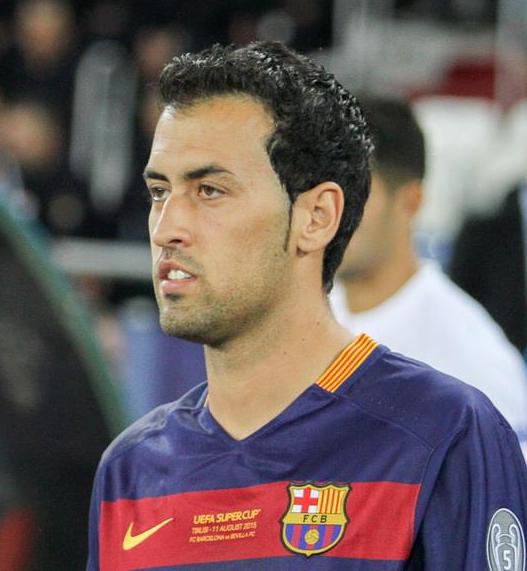
| 48 | Sergio Busquets | Barcelona |
| 45 | Lionel Messi | Barcelona |
| Sergio Ramos | Real Madrid | |
| 43 | Karim Benzema | Real Madrid |
| 42 | Paco Gento | Real Madrid |
| Manuel Sanchís | Real Madrid | |
| Xavi | Barcelona | |
| 40 | Gerard Piqué | Barcelona |
| 38 | Andrés Iniesta | Barcelona |
| Luka Modrić | Real Madrid | |
| 37 | Iker Casillas | Real Madrid |
| Fernando Hierro | Real Madrid | |
| Raúl | Real Madrid | |
| 35 | Santillana | Real Madrid |
Goalkeeping

Most clean sheets
| Player | Club | Period | Total |
|---|---|---|---|
| ESP Víctor Valdés | Barcelona | 2002–2014 | 7 |
| ESP Andoni Zubizarreta | Barcelona | 1986–1994 | 6 |
| ESP Francisco Buyo | Real Madrid | 1986–1997 | 6 |
| GER Marc-André ter Stegen | Barcelona | 2014–present | 6 |
| ESP Iker Casillas | Real Madrid | 1999–2015 | 6 |
Consecutive clean sheets
| Player | Club | Consecutive clean sheets | Start | End |
|---|---|---|---|---|
| ESP Miguel Reina | Barcelona | 3 | 1971–72 La Liga (28th round) | 1972–73 La Liga (22nd round) |
| ESP Víctor Valdés | Barcelona | 3 | 2009–10 La Liga (12th round) | 2010–11 La Liga (13th round) |
| GER Marc-André ter Stegen | Barcelona | 3 | 2018–19 Copa del Rey (semi-finals 2nd leg) | 2019–20 La Liga (10th round) |
Assists
- Most assists: 14 – ARG Lionel Messi
- Most assists in one match: 4 – ESP Xavi (2 May 2009, La Liga)
- Most assists in one season: 5
Disciplinary
- Most yellow cards: 22 – ESP Sergio Ramos
- Most red cards: 5 – ESP Sergio Ramos
Other records
- Most penalties scored: 6 – ARG Lionel Messi
- Most direct free kicks scored: 2
- NED Ronald Koeman (1991–92 La Liga & 1993–94 La Liga)
- ARG Lionel Messi (2012 Supercopa de España & 2012–13 La Liga)
- Most matches won: 23 – ESP Sergio Busquets
- Most matches lost: 20 – ESP Sergio Ramos
- Most hat-tricks: 2
- ESP Santiago Bernabéu (both in 1916 Copa del Rey)
- ESP Jaime Lazcano (1929–30 La Liga & 1934–35 La Liga)
- HUN Ferenc Puskás (1962–63 La Liga & 1963–64 La Liga)
- ARG Lionel Messi (2006–07 La Liga & 2013–14 La Liga)
- Youngest player: **** – ESP Lamine Yamal, 2023–24 La Liga, 28 October 2023
- Oldest player: **** – CRO Luka Modrić, 2024–25 La Liga, 11 May 2025
- Youngest scorer: **** – ESP Lamine Yamal, 2024–25 La Liga, 26 October 2024
- Oldest scorer: **** – ARGESP Alfredo Di Stéfano, 1963–64 La Liga, 15 December 1963
- Fastest goal: 21 seconds – FRA Karim Benzema, 2011–12 La Liga, 10 December 2011
- Fastest penalty scored: 2 minutes – ESP Pirri, 1976–77 La Liga, 30 January 1977
- Most different tournaments scored in: 4 – ESP Pedro (La Liga, UEFA Champions League, Copa del Rey and Supercopa de España)
- Most seasons scored in: 11 – ESP Paco Gento: (1954–55, 1958–59, 1959–60, 1960–61, 1961–62, 1962–63, 1963–64, 1965–66, 1967–68, 1968–69 and 1969–70)
- Most goals in one season: 7 – ESP Santiago Bernabéu (1915–16)
- Most different stadiums scored in: 5 – BRA Vinícius Júnior (Santiago Bernabéu, Camp Nou, King Fahd International Stadium, KSU Stadium and King Abdullah Sports City)
- Four players scored for both clubs in El Clásico:
- ESP Josep Samitier (in 1925–26 and 1931–32 for Barcelona and in 1932–33 and 1933–34 for Madrid FC)
- ESP Luís Enrique (in 1994–95 for Real Madrid and in 1997–98, 1998–99, 2000–01 and 2002–03 for Barcelona)
- POR Luís Figo (in 1995–96, 1997–98 and 1999–2000 for Barcelona and in 2001–02 for Real Madrid)
- BRA Ronaldo (in 1996–97 for Barcelona and in 2002–03, 2003–04, 2004–05 and 2005–06 for Real Madrid)
Managers
Most appearances
| Rank | Manager | Team | Matches | Years | Competition(s) (matches) |
|---|---|---|---|---|---|
| 1 | ESP Miguel Muñoz | Real Madrid | 36 | 1960–1974 | La Liga (27) |
| Copa del Rey (5) | |||||
| European Cup (4) | |||||
| 2 | NED Johan Cruyff | Barcelona | 25 | 1988–1996 | La Liga (16) |
| Copa del Rey (3) | |||||
| Supercopa de España (6) | |||||
| 3 | ITA Carlo Ancelotti | Real Madrid | 20 | 2013–2015 | |
| 2021–2025 | La Liga (12) | ||||
| Copa del Rey (4) | |||||
| Supercopa de España (4) | |||||
| 4 | POR José Mourinho | Real Madrid | 17 | 2010–2013 | La Liga (6) |
| Copa del Rey (5) | |||||
| Supercopa de España (4) | |||||
| UEFA Champions League (2) | |||||
| 5 | ESP Pep Guardiola | Barcelona | 15 | 2008–2012 | La Liga (8) |
| Copa del Rey (3) | |||||
| Supercopa de España (2) | |||||
| UEFA Champions League (2) | |||||
| 6 | NED Rinus Michels | Barcelona | 13 | 1971–1975 | |
| 1976–1978 | La Liga (12) | ||||
| Copa del Rey (1) | |||||
| 7 | ENG Terry Venables | Barcelona | 12 | 1984–1987 | La Liga (8) |
| Copa de la Liga (4) | |||||
| 8 | NED Leo Beenhakker | Real Madrid | 11 | 1986–1989 | |
| 1992 | La Liga (9) | ||||
| Supercopa de España (2) | |||||
| FRA Zinedine Zidane | Real Madrid | 2016–2018 | |||
| 2019–2021 | La Liga (9) | ||||
| Supercopa de España (2) |
Most wins
| Rank | Manager | Club | Period | Wins |
|---|---|---|---|---|
| 1 | ESP Miguel Muñoz | Real Madrid | 1960–1974 | 16 |
| 2 | NED Johan Cruyff | Barcelona | 1988–1996 | 9 |
| ESP Pep Guardiola | Barcelona | 2008–2012 | ||
| ITA Carlo Ancelotti | Real Madrid | 2013–2015 | ||
| 2021–2025 | ||||
| 5 | ENG Terry Venables | Barcelona | 1984–1987 | 6 |
| FRA Zinedine Zidane | Real Madrid | 2016–2018 | ||
| 2019–2021 |
General performances
General information
| Real Madrid | Barcelona | Club name after establishment | Founding date | Number of members | Stadium | Capacity | Number of seasons in La Liga | Most goals scored in a season in La Liga | Most points in a season in La Liga | Number of Double wins | ||
|---|---|---|---|---|---|---|---|---|---|---|---|---|
| (La Liga and Copa del Rey) | Number of Double wins | |||||||||||
| (La Liga and UEFA Champions League) | Number of Treble wins | |||||||||||
| (La Liga, Copa del Rey and UEFA Champions League) | ||||||||||||
| Madrid Football Club | Foot-Ball Club Barcelona | |||||||||||
| 6 March 1902 | 29 November 1899 | |||||||||||
| 95,612 (as of 24 November 2024) | 150,317 (as of 31 May 2023) | |||||||||||
| Bernabéu | Camp Nou | |||||||||||
| 83,186 | 45,401 | |||||||||||
| 95 (never been relegated) | ||||||||||||
| 121 (2011–12) | 116 (2016–17) | |||||||||||
| 100 (2011–12) | 100 (2012–13) | |||||||||||
| 4 | 9 | |||||||||||
| 5 | 5 | |||||||||||
| 0 | 2 |
Honours
The rivalry reflected in El Clásico matches comes about as Barcelona and Real Madrid are the most successful football clubs in Spain. As seen below, Real Madrid leads Barcelona 106 to 103 in terms of official overall trophies. Copa Eva Duarte is not listed as an official title by UEFA, but it is considered as such by the Royal Spanish Football Federation as it is the direct predecessor of the Supercopa de España. While the Inter-Cities Fairs Cup is recognised as the predecessor to the UEFA Cup, and the Latin Cup is recognised as one of the predecessors of the European Cup, both were not organised by UEFA. Consequently, UEFA does not consider clubs' records in the Fairs Cup nor Latin Cup to be part of their European record. However, FIFA does view the competitions as a major honour. The one-off Ibero-American Cup was later recognised as an official tournament organised by CONMEBOL and the Royal Spanish Football Federation.
| Barcelona | Competition | Real Madrid | Domestic | 81 | Aggregate | 71 | European | 19 | Aggregate | 25 | Worldwide | 3 | Aggregate | 10 | 103 | Total aggregate | 106 | ||||||||
|---|---|---|---|---|---|---|---|---|---|---|---|---|---|---|---|---|---|---|---|---|---|---|---|---|---|
| 28 | La Liga | 36 | |||||||||||||||||||||||
| 32 | Copa del Rey | 20 | |||||||||||||||||||||||
| 16 | Supercopa de España | 13 | |||||||||||||||||||||||
| 3 | Copa Eva Duarte (defunct) | 1 | |||||||||||||||||||||||
| 2 | Copa de la Liga (defunct) | 1 | |||||||||||||||||||||||
| 5 | UEFA Champions League | 15 | |||||||||||||||||||||||
| 4 | UEFA Cup Winners' Cup (defunct) | — | |||||||||||||||||||||||
| — | UEFA Europa League | 2 | |||||||||||||||||||||||
| 5 | UEFA Super Cup | 6 | |||||||||||||||||||||||
| 3 | Inter-Cities Fairs Cup (defunct) | — | |||||||||||||||||||||||
| 2 | Latin Cup (defunct) | 2 | |||||||||||||||||||||||
| — | Ibero-American Cup (defunct) | 1 | |||||||||||||||||||||||
| — | Intercontinental Cup (defunct) | 3 | |||||||||||||||||||||||
| 3 | FIFA Club World Cup | 5 | |||||||||||||||||||||||
| — | FIFA Intercontinental Cup | 1 |
Awards

FIFA Club of the Century
FIFA Club of the Century was an award presented by FIFA to decide the best football club of the 20th century.
| Real Madrid | Barcelona | Position | Vote percentage |
|---|---|---|---|
| 1st | 4th | ||
| 42.35 % | 5.61% |
Ballon d'Or
The Ballon d'Or is an annual football award presented by French news magazine France Football since 1956. Between 2010 and 2015, in an agreement with FIFA, the award was known as the FIFA Ballon d'Or.
| Rank | Real Madrid | Barcelona | Ballon d'Or (1956–2009, 2016–present) / FIFA Ballon d'Or (2010–2015) | Total |
|---|---|---|---|---|
| Winner | 12 | 12 | ||
| Second place | 12 | 13 | ||
| Third place | 6 | 10 | ||
| 30 | 35 |
The Best FIFA Football Awards
The Best FIFA Football Awards are presented annually by the sport's governing body, FIFA.
| Award | Real Madrid | Barcelona | The Best FIFA Men's Player | The Best FIFA Football Coach |
|---|---|---|---|---|
| 4 | 1 | |||
| 2 | 0 |
UEFA Men's Player of the Year Award
The UEFA Men's Player of the Year Award is an award given to the footballer playing for a men's football club in Europe that is considered the best in the previous season of both club and national team competition. The award, created in 2011 by UEFA in partnership with European Sports Media (ESM) group, was initially aimed at reviving the European Footballer of the Year Award (Ballon d'Or).
| Rank | Real Madrid | Barcelona | Total |
|---|---|---|---|
| Winner | 5 | 3 | |
| Second place | 1 | 6 | |
| Third place | 6 | 0 | |
| 12 | 9 |
FIFA World Player of the Year
The FIFA World Player of the Year was presented annually by the sport's governing body, FIFA, between 1991 and 2015 at the FIFA World Player Gala. Coaches and captains of international teams and media representatives selected the player they deem to have performed the best in the previous calendar year.
| Rank | Real Madrid | Barcelona | Total |
|---|---|---|---|
| Winner | 4 | 6 | |
| Second place | 3 | 5 | |
| Third place | 4 | 4 | |
| 11 | 15 |
Laureus World Sports Awards
The Laureus World Sports Awards is an annual award established in 1999 by Laureus Sport for Good Foundation founding patrons Daimler and Richemont. It recognises sporting achievements achieved throughout the year.
| Award | Real Madrid | Barcelona | Team of the Year | Sportsman of the Year | Spirit of Sport | Breakthrough | Total |
|---|---|---|---|---|---|---|---|
| 1 | 1 | ||||||
| 0 | 1 | ||||||
| 0 | 1 | ||||||
| 1 | 1 | ||||||
| 2 | 4 |
League performances awards
| Award | Real Madrid | Barcelona | Pichichi Trophy | Zamora Trophy | European Golden Shoe | Trofeo Alfredo Di Stéfano |
|---|---|---|---|---|---|---|
| 29 | 20 | |||||
| 18 | 21 | |||||
| 5 | 8 | |||||
| 7 | 8 |
Other awards
| Award | Real Madrid | Barcelona | Golden Boy | Kopa Trophy | Yashin Trophy | Onze d'Or | Bravo Award | World Soccer Award |
|---|---|---|---|---|---|---|---|---|
| 1 | 4 | |||||||
| 1 | 4 | |||||||
| 1 | 0 | |||||||
| 5 | 9 | |||||||
| 3 | 4 | |||||||
| 9 | 11 |
Personnel at both clubs
Players

;Barcelona to Real Madrid
- 1902: ESP Alfonso Albéniz
- 1906: ESP José Quirante
- 1908: ENG Charles Wallace
- 1911: ESP Arsenio Comamala
- 1913: GER Walter Rozitsky
- 1930: ESP Ricardo Zamora (via Espanyol)
- 1932: ESP Josep Samitier
- 1949: ESP Joaquín Navarro (via Sabadell)
- 1950: ESP Alfonso Navarro
- 1959: HUN László Kaszás
- 1961: ESP Justo Tejada
- 1962: BRA Evaristo
- 1965: BEL Fernand Goyvaerts
- 1988: FRG Bernd Schuster
- 1990: ESP Luis Milla
- 1992: ESP Nando Muñoz
- 1994: DEN Michael Laudrup
- 1995: ESP Miquel Soler (via Sevilla)
- 2000: POR Luís Figo
- 2000: ESP Albert Celades (via Celta Vigo)
- 2002: BRA Ronaldo (via Inter Milan)
- 2007: ARG Javier Saviola
;Real Madrid to Barcelona
- 1905: ESP Luciano Lizárraga
- 1909: FRA Enrique Normand
- 1939: ESP Luis Junco (via Atlético Aviación)
- 1939: ESP Hilario (via Valencia)
- 1946: ESP Josep Canal
- 1961: ESP Chus Pereda (via Sevilla)
- 1965: FRA Lucien Muller
- 1980: ESP Amador Lorenzo (via Hércules)
- 1994: ROM Gheorghe Hagi (via Brescia)
- 1994: ESP Julen Lopetegui (via Logroñés)
- 1995: CRO Robert Prosinečki
- 1996: ESP Luis Enrique
- 1999: ESP Dani García Lara (via Mallorca)
- 2000: ESP Alfonso Pérez (via Real Betis)
- 2004: CMR Samuel Eto'o (via Mallorca)
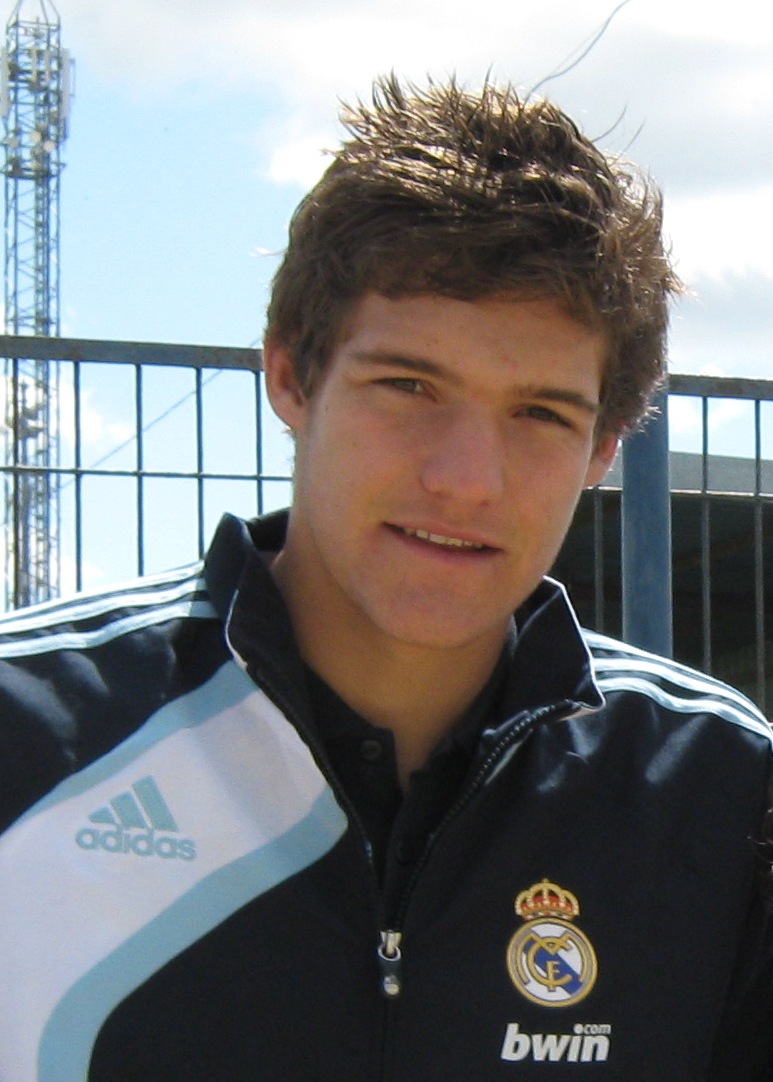
- 2022: ESP Marcos Alonso (via Bolton Wanderers, Fiorentina and Chelsea)
| Total switches | 38 |
|---|
Managers

Only two coaches have been at the helm of both clubs:
- URU Enrique Fernández
- Barcelona: 1947–1950
- Real Madrid: 1953–1954
- SRB Radomir Antić
- Real Madrid: 1991–1992
- Barcelona: 2003
Notes
References
References
- "el clásico, en minúscula y sin comillas".
- (18 November 2010). "El clàssic es jugarà dilluns". [[El Punt]].
- Stevenson, Jonathan. (12 December 2008). "Barca & Real renew El Clasico rivalry". BBC Sport.
- [https://www.forbes.com/sites/kurtbadenhausen/2014/05/16/lionel-messi-agrees-to-new-50-million-a-year-deal-with-barcelona/ "Lionel Messi Reaches $50 Million-A-Year Deal With Barcelona"]. Forbes. Retrieved 1 October 2014
- Rookwood, Dan. (28 August 2002). "The bitterest rivalry in world football". [[The Guardian]].
- [https://web.archive.org/web/20140816175537/http://www.fifa.com/classicfootball/clubs/rivalries/newsid=106848/ "El Clasico: When stars collide"]. FIFA.com. Retrieved 21 October 2014
- (2 October 2017). "Barcelona in the strange and symbolic eye of a storm over Catalonia". The Guardian.
- (23 May 2024). "World's Most Valuable Soccer Teams".
- "Barça and Real Madrid: El Clásico". FC Barcelona.
- (4 April 2023). "Las estadísticas del Clásico: partidos, goles y datos de los enfrentamientos entre Real Madrid y Barcelona". Cadena Ser.
- (28 July 2017). "26 años sin un Clásico amistoso". Mundo Deportivo.
- (29 July 2017). "Los amistosos Real Madrid–Barcelona". La Galerna.
- Palomares, Cristina [https://books.google.com/books?id=UM_DyqqVUlIC&PA=231 ''The quest for survival after Franco: moderate Francoism and the slow journey''], p.231
- ''[[Cambio 16]]'', 6–12, Enero 1975 p.18
- Ball, Phil. (21 April 2002). "Mucho morbo". The Guardian.
- Ham, Anthony p. 221
- McNeill, Donald (1999) [https://books.google.com/books?id=zfiyEutRtmQC&pg=PA61 ''Urban change and the European left: tales from the new Barcelona''] p.61
- Burns, Jimmy, 'Don Patricio O'Connell: An Irishman and the Politics of Spanish Football' in "{{usurped
- (December 2012). "Barcelona malgrat el franquisme". [[Museum of the History of Barcelona.
- Ball, Phil p. 88
- Fitzgerald, Nick. (27 September 2017). "The story of Real Madrid and the Franco regime".
- Kelly, Ryan. "General Franco, Real Madrid & the king: The history behind club's link to Spain's establishment".
- "SANTIAGO BERNABÉU 1943–1978". Real Madrid C.F..
- (18 April 2023). "¿Tenía un trato preferente el Real Madrid en el franquismo?". [[La Vanguardia]].
- (27 October 2011). "The Ultra Sur | El Centrocampista - Spanish Football and La Liga News in English". El Centrocampista.
- Dos Manzanas. (14 June 2011). "Tres Boixos Nois detenidos por agredir a una mujer transexual en Barcelona". Dos manzanas.
- (11 September 2010). "La mafia de boixos nois se especializó en atracar a narcos – Sociedad".
- (21 April 2012). "Great similarities between Barcelona and Celtic".
- (29 April 2016). "FourFourTwo's 50 Biggest Derbies in the World, No.2: Barcelona vs Real Madrid".
- (20 July 2009). "La izquierda es culé y la derecha, merengue, según el CIS".
- (23 February 2003). "¿Del Madrid o del Barça?". El País.
- "Copa del Presidente de la II República 1932 – 1936".
- (9 December 2011). "Real Madrid v Barcelona: six of the best 'El Clásicos'". The Telegraph.
- [[Phil Ball (writer). (2001). "Morbo: the story of Spanish football". WSC Books.
- "[https://books.google.com/books?id=2l6zHv_reuUC&pg=PA68 Sid Lowe: Fear and loathing in La Liga.. Barcelona vs Real Madrid]" p. 68. Random House. 26 September 2013
- "[https://books.google.com/books?id=2l6zHv_reuUC&pg=PA70 Sid Lowe: Fear and loathing in La Liga.. Barcelona vs Real Madrid]" p. 70. Random House. 26 September 2013
- Lowe, Sid. p. 74
- Spaaij, Ramn. (2006). "Understanding football hooliganism: a comparison of six Western European football clubs". Amsterdam University Press.
- Lowe, Sid. p. 73
- Lowe, Sid. p. 72
- "[https://books.google.com/books?id=2l6zHv_reuUC&pg=PA67 Sid Lowe: Fear and loathing in La Liga.. Barcelona vs Real Madrid]" p. 67. Random House. 26 September 2013
- "[https://books.google.com/books?id=2l6zHv_reuUC&pg=PA77 Sid Lowe: Fear and loathing in La Liga.. Barcelona vs Real Madrid]" p. 77. Random House. 26 September 2013
- (29 April 2016). "Barcelona did not renounce Di Stefano... they were robbed".
- (31 May 2022). "Di Stéfano y la decisión salomónica de la FIFA [Di Stéfano and the Solomonic decision of FIFA]". La Voz de Galicia.
- (7 July 2014). "BBC SPORT | Football | Alfredo Di Stefano: Did General Franco halt Barcelona transfer?". BBC News.
- (7 July 2014). "Alfredo di Stéfano was one of football's greatest trailblazers". The Guardian.
- (11 October 2005). "La final de las botellas me hizo antimadridista".
- (4 April 2014). "El Barça se lleva la Copa de 'la final de las botellas'".
- "1968. The "Bottle Final": Barça wins the Spanish Cup at the Bernabéu amidst a tense atmosphere". FC Barcelona.
- Lowe, Sid. p. 344
- "[https://books.google.com/books?id=2l6zHv_reuUC&pg=PA345 Sid Lowe: Fear and loathing in La Liga.. Barcelona vs Real Madrid]" p. 345, 346. Random House. 26 September 2013
- Lowe, Sid. p. 339
- Lowe, Sid. p. 338
- Jefferies, Tony. (27 November 2002). "Barcelona are braced for a stiff penalty". The Daily Telegraph.
- Deportes. "(Spanish)". 20minutos.es.
- (5 December 2011). "Real Madrid v. Barcelona: A Glance Back at Past Pasillos | Futfanatico: Breaking Soccer News". Futfanatico.
- (4 May 2018). "The pasillo controversy: Real Madrid should respect Barcelona with guard of honour".
- (5 May 2018). ""No le haremos pasillo al Barça porque ellos no nos lo hicieron"".
- (11 December 2008). "Real win Champions League showdown". BBC News.
- FIFA.com]], 15 February 2014
- "[https://www.independent.co.uk/sport/football/european/real-madrid-v-barcelona-el-clasico-preview-6290929.html Real Madrid vs Barcelona: El-Clasico Preview]", ''[[The Independent]]'', 17 January 2012,
- [https://www.fcbarcelona.com/football/first-team/detail/article/30-years-since-maradona-stunned-the-santiago-bernabeu "30 years since Maradona stunned the Santiago Bernabéu"]. FC Barcelona. Retrieved 2 October 2014
- (11 December 2008). "Rampant Ronaldinho receives standing ovation". BBC News.
- [https://www.independent.co.uk/sport/football/european/real-madrid-0-barcelona-3-bernabeu-forced-to-pay-homage-as-ronaldinho-soars-above-the-galacticos-516202.html "Real Madrid 0 Barcelona 3: Bernabeu forced to pay homage as Ronaldinho soars above the galacticos"]. The Independent. Retrieved 29 November 2013.
- (21 November 2015). "Real Madrid Fans Applaud Barcelona's Andres Iniesta In 'El Clasico'". NESN.
- (May 2007). "CIS Mayo 2007". Centro de Investigaciones Sociológicas.
- (10 October 2011). "España se pasa del Madrid al Barcelona".
- Hurtado, José Luis. (16 April 2021). "The 18 most intense days in the history of El Clasico".
- Sapa-DPA. (29 April 2011). "Del Bosque concerned over Real-Barca conflict - SuperSport - Football". SuperSport.
- "Real Madrid-Barcelona: Celebrations in enemy territory". Marca.
- "When Raul ended Madrid's humiliation, silenced Nou Camp". Egypt Today.
- "Cristiano Ronaldo scores and is sent off in win over Barcelona". The Guardian.
- "Primera División – Champions".
- "Historias de la Liga: el año en que Kubala entrenó a Di Stéfano".
- "Kubala e Di Stefano: le nuove stelle del cinema spagnolo durante il franchismo".
- (19 April 2012). "Messi y Cristiano; Di Stéfano y Kubala: La lucha entre Barça y Madrid".
- "Real Madrid: Kubala's last battle against Real Madrid".
- (21 March 2022). "EXCLUSIVE: Cristiano Ronaldo's former coach explains impact of Lionel Messi rivalrys". [[Daily Mirror]].
- "Golden Boot ("Soulier d'Or") Awards".
- (17 October 2022). "Every Ballon d'Or winner: A complete list of every men's player to have won the award".
- (28 June 2022). "Champions League all-time top scorers: Cristiano Ronaldo, Lionel Messi, Robert Lewandowski, Karim Benzema". [[UEFA]].
- "All-time La Liga top scorers: From Lionel Messi and Cristiano Ronaldo to Raul".
- "Champions League – Champions".
- "Messi & Ronaldo El Clásico Stats".
- Bate, Adam. (25 October 2013). "Fear and Loathing". Sky Sports.
- (24 October 2015). "El club de los 100: MSN 91-88 BBC". Marca.
- (26 October 2018). "Barcelona vs Real Madrid: First Clasico without Lionel Messi or Cristiano Ronaldo since 2007 marks end of era". [[Evening Standard]].
- (20 October 2018). "No Messi or Ronaldo in El Clasico for first time since 2007". [[FourFourTwo]].
- (28 October 2018). "Barcelona 5–1 Real Madrid". BBC Sport.
- "FC Barcelona vs Real Madrid CF since 1902".
- (27 February 2019). "Real Madrid – Barcelona: Igualdad total en los 35 Clásicos en Copa". [[Marca (newspaper).
- La Vanguardia. (20 September 1949). "Match report – Real Madrid 6–1 Barcelona".
- "Match report – Real Madrid 6–1 Barcelona (BDFutbol)".
- "Eighteenth different Clásico venue". FC Barcelona.
- (18 December 2019). "Barcelona – Real Madrid: Ansu Fati, Ramos set Clásico records".
- (29 December 2019). "Piqué, Clásico matches". BDFutbol.
- (23 December 2017). "Barcelona: Messi finishes 2017 ahead of Cristiano Ronaldo with 54 goals". marca.com.
- (20 March 2022). "Barcelona are back! Xavi's masterplan comes to life in Clasico crushing of Real Madrid".
- Langell, Amanda. (26 October 2024). "WATCH: Barcelona's Lamine Yamal Becomes Youngest Goalscorer in El Clasico History".
- [https://www.sportsbignews.com/football/the-fastest-goal-in-el-clasico-history/ Real Madrid's Karim Benzema scores fastest-ever The fastest goal in El Clasico history] https://www.sportsbignews.com/
- "The record breakers of LaLiga Santander's #ElClasico". La Liga.
- (24 November 2024). "Florentino Struts His Stuff: Unprecedented Revenues, Forbes Rankings, Social Media Supremacy...".
- (31 May 2023). "Xavi's son becomes FC Barcelona member". FC Barcelona.
- (19 June 2023). "LaLiga bate record histórico de asistencia a los estadios con más de 15 millones de espectadores". [[La Liga]].
- (17 November 2025). "Barcelona Confirm Camp Nou Return Date After Two-Year Wait".
- "Descubre los antecedentes de la Supercopa de España". Royal Spanish Football Federation.
- "UEFA Europa League: History: New format provides fresh impetus". Union of European Football Associations.
- "Classic Football: Clubs: FC Barcelona". Fédération Internationale de Football Association.
- Rimet, Pierre. (4 January 1951). "Cartas de Paris - Das pirâmides do Egito ao colosso do Maracanã, com o Sr. Jules Rimet". [[Jornal dos Sports]].
- [https://conmebol.com/es/19082015-1742/las-competiciones-oficiales-de-la-conmebol Las competiciones oficiales de la CONMEBOL]
- (14 July 2019). "5 Player Transfers Between Real Madrid and Barcelona".
- Payarols, Lluís. (27 February 2013). "El hijo de Isaac Albéniz, primer tránsfuga Barça-Madrid". [[Sport (Spanish newspaper).
- (28 December 2007). "Saviola, el último tránsfuga". [[Mundo Deportivo]].
- Magallón, Fernando. (14 July 2007). "Saviola es el 16º que deja el Barça por el Madrid". [[Diario AS]].
- [https://www.bdfutbol.com/en/j/j9787.html Navarro: Joaquín Navarro Perona], BDFutbol
- [https://www.bdfutbol.com/en/j/j9737.html Navarro: Alfonso Navarro Perona], BDFutbol
- Jové, Oriol. (5 August 2018). "El 'Kubala' de la UE Lleida". [[Diari Segre]].
- (2015). "Gran diccionari de jugadors del Barça". Base.
- Salinas, David. (2015). "El rey de Copas. Cien años del Barcelona en la Copa de España (1909-2019)". Meteora.
This article was imported from Wikipedia and is available under the Creative Commons Attribution-ShareAlike 4.0 License. Content has been adapted to SurfDoc format. Original contributors can be found on the article history page.
Ask Mako anything about El Clásico — get instant answers, deeper analysis, and related topics.
Research with MakoFree with your Surf account
Create a free account to save articles, ask Mako questions, and organize your research.
Sign up freeThis content may have been generated or modified by AI. CloudSurf Software LLC is not responsible for the accuracy, completeness, or reliability of AI-generated content. Always verify important information from primary sources.
Report