From Surf Wiki (app.surf) — the open knowledge base
1890–91 United States Senate elections
none

none
| Field | Value | |
|---|---|---|
| election_name | 1890–91 United States Senate elections | |
| country | United States | |
| flag_year | 1890 | |
| type | legislative | |
| ongoing | no | |
| previous_election | 1888–89 United States Senate elections | |
| previous_year | 1888 & 1889 | |
| next_election | 1892–93 United States Senate elections | |
| next_year | 1892 & 1893 | |
| seat_class | Class 3 | |
| previous_seat_election | 1884–85 United States Senate elections | |
| previous_seat_year | 1884 & 1885 | |
| next_seat_election | 1896–97 United States Senate elections | |
| next_seat_year | 1896 & 1897 | |
| seats_for_election | 29 of the 88 seats in the United States Senate (as well as special elections) | |
| majority_seats | 45 | |
| election_date | Dates vary by state | |
| 1blank | Seats up | |
| image_size | x180px | |
| party1 | Republican Party (US) | |
| leader1 | George F. Edmunds | |
| (retired) | ||
| image1 | George F. Edmunds - Brady-Handy.jpg | |
| leader_since1 | March 4, 1885 | |
| leaders_seat1 | Vermont | |
| seats_before1 | 38 | |
| seats_after1 | 47 | |
| 1data1 | 16 | |
| seats1 | 12 | |
| seat_change1 | 9 | |
| party2 | Democratic Party (US) | |
| leader2 | Arthur Pue Gorman | |
| image2 | Arthur Pue Gorman.jpg | |
| leader_since2 | March 4, 1889 | |
| leaders_seat2 | Maryland | |
| seats_before2 | 37 | |
| seats_after2 | 39 | |
| 1data2 | 12 | |
| seats2 | 14 | |
| seat_change2 | 2 | |
| party4 | People's Party (US) | |
| seats_before4 | 0 | |
| seats_after4 | 1 | |
| 1data4 | 0 | |
| seats4 | 1 | |
| seat_change4 | 1 | |
| party5 | Independent (US) | |
| seats_before5 | 0 | |
| seats_after5 | 1 | |
| 1data5 | 0 | |
| seats5 | 1 | |
| seat_change5 | 1 | |
| title | Majority Party | |
| before_party | Republican Party (US) | |
| after_party | Republican Party (US) | |
| map_image | [[File:1890-91 senate map.svg | 380px]] |
| map_caption | Results of the elections: | |
(retired)
The 1890–91 United States Senate elections were held on various dates in various states. As these U.S. Senate elections were prior to the ratification of the Seventeenth Amendment in 1913, senators were chosen by state legislatures. Senators were elected over a wide range of time throughout 1890 and 1891, and a seat may have been filled months late or remained vacant due to legislative deadlock. In these elections, terms were up for the senators in Class 3.
The Republican Party lost four seats, though still retaining a slim majority. That majority was increased, however, upon the admission of two more states with Republican senators.
Results summary
Senate party division, 52nd Congress (1891–1893)
- Majority party: Republican (47)
- Minority party: Democratic (39)
- Other parties: Populist (2)
- Total seats: 88
Change in Senate composition
Before the elections
After the admission of Montana's new senators in January 1890.
| D32 | |||||||||||||||||||||||||||||||||||||
|---|---|---|---|---|---|---|---|---|---|---|---|---|---|---|---|---|---|---|---|---|---|---|---|---|---|---|---|---|---|---|---|---|---|---|---|---|---|
| Ran | D31 | ||||||||||||||||||||||||||||||||||||
| Ran | D30 | ||||||||||||||||||||||||||||||||||||
| Ran | D29 | ||||||||||||||||||||||||||||||||||||
| Ran | D28 | ||||||||||||||||||||||||||||||||||||
| Ran | D27 | ||||||||||||||||||||||||||||||||||||
| Ran | D26 | ||||||||||||||||||||||||||||||||||||
| Ran | D33 | ||||||||||||||||||||||||||||||||||||
| Ran | D34 | ||||||||||||||||||||||||||||||||||||
| Ran | D35 | ||||||||||||||||||||||||||||||||||||
| Ran | D36 | ||||||||||||||||||||||||||||||||||||
| Retired | D37 | ||||||||||||||||||||||||||||||||||||
| Retired | R47 | ||||||||||||||||||||||||||||||||||||
| Retired | R46 | ||||||||||||||||||||||||||||||||||||
| Ran | R45 | ||||||||||||||||||||||||||||||||||||
| Ran | R44 | ||||||||||||||||||||||||||||||||||||
| Ran | R43 | ||||||||||||||||||||||||||||||||||||
| Ran | R33 | ||||||||||||||||||||||||||||||||||||
| Ran | R34 | ||||||||||||||||||||||||||||||||||||
| Ran | R35 | ||||||||||||||||||||||||||||||||||||
| Ran | R36 | ||||||||||||||||||||||||||||||||||||
| Ran | R37 | ||||||||||||||||||||||||||||||||||||
| Ran | R38 | ||||||||||||||||||||||||||||||||||||
| Ran | R39 | ||||||||||||||||||||||||||||||||||||
| Ran | R40 | ||||||||||||||||||||||||||||||||||||
| Ran | R41 | ||||||||||||||||||||||||||||||||||||
| Ran | R42 | ||||||||||||||||||||||||||||||||||||
| Ran | R32 | ||||||||||||||||||||||||||||||||||||
| Ran | |||||||||||||||||||||||||||||||||||||
| D25 | D24 | D23 | |||||||||||||||||||||||||||||||||||
| Majority → | |||||||||||||||||||||||||||||||||||||
| R31 | R30 | R29 | R28 | R27 | R26 | R25 | R24 | R23 | |||||||||||||||||||||||||||||
| R13 | R14 | R15 | R16 | R17 | R18 | R19 | R20 | R21 | R22 | ||||||||||||||||||||||||||||
| R12 | R11 | R10 | R9 | R8 | R7 | R6 | R5 | R4 | R3 | ||||||||||||||||||||||||||||
| R1 | R2 |
After the class 3 elections
| D32 | ||||||||||||||||||||||||||||||||||||||
|---|---|---|---|---|---|---|---|---|---|---|---|---|---|---|---|---|---|---|---|---|---|---|---|---|---|---|---|---|---|---|---|---|---|---|---|---|---|---|
| Re-elected | D31 | |||||||||||||||||||||||||||||||||||||
| Re-elected | D30 | |||||||||||||||||||||||||||||||||||||
| Re-elected | D29 | |||||||||||||||||||||||||||||||||||||
| Re-elected | D28 | |||||||||||||||||||||||||||||||||||||
| Re-elected | D27 | |||||||||||||||||||||||||||||||||||||
| Re-elected | D26 | |||||||||||||||||||||||||||||||||||||
| Re-elected | D33 | |||||||||||||||||||||||||||||||||||||
| Hold | D34 | |||||||||||||||||||||||||||||||||||||
| Hold | D35 | |||||||||||||||||||||||||||||||||||||
| Hold | D36 | |||||||||||||||||||||||||||||||||||||
| Hold | D37 | |||||||||||||||||||||||||||||||||||||
| Gain | D38 | |||||||||||||||||||||||||||||||||||||
| Gain | D39 | |||||||||||||||||||||||||||||||||||||
| Gain | V1 | |||||||||||||||||||||||||||||||||||||
| D Loss | I1 | |||||||||||||||||||||||||||||||||||||
| Gain | P1 | |||||||||||||||||||||||||||||||||||||
| Gain | R43 | |||||||||||||||||||||||||||||||||||||
| New seat | R33 | |||||||||||||||||||||||||||||||||||||
| Re-elected | R34 | |||||||||||||||||||||||||||||||||||||
| Re-elected | R35 | |||||||||||||||||||||||||||||||||||||
| Re-elected | R36 | |||||||||||||||||||||||||||||||||||||
| Re-elected | R37 | |||||||||||||||||||||||||||||||||||||
| Re-elected | R38 | |||||||||||||||||||||||||||||||||||||
| Re-elected | R39 | |||||||||||||||||||||||||||||||||||||
| Re-elected | R40 | |||||||||||||||||||||||||||||||||||||
| Re-elected | R41 | |||||||||||||||||||||||||||||||||||||
| Hold | R42 | |||||||||||||||||||||||||||||||||||||
| Hold | R32 | |||||||||||||||||||||||||||||||||||||
| Re-elected | ||||||||||||||||||||||||||||||||||||||
| D25 | D24 | D23 | ||||||||||||||||||||||||||||||||||||
| Majority → | ||||||||||||||||||||||||||||||||||||||
| R31 | R30 | R29 | R28 | R27 | R26 | R25 | R24 | R23 | ||||||||||||||||||||||||||||||
| R13 | R14 | R15 | R16 | R17 | R18 | R19 | R20 | R21 | R22 | |||||||||||||||||||||||||||||
| R12 | R11 | R10 | R9 | R8 | R7 | R6 | R5 | R4 | R3 | |||||||||||||||||||||||||||||
| R1 | R2 |
Beginning of the next Congress
| V1 | |||||||||||||
|---|---|---|---|---|---|---|---|---|---|---|---|---|---|
| D seated late | V2 | ||||||||||||
| D elected late | V3 | ||||||||||||
| D died | |||||||||||||
| Later D | V3 | ||||||||||||
| D died | |||||||||||||
| Later R | R46 | ||||||||||||
| New seat | R45 | ||||||||||||
| New seat | R44 | ||||||||||||
| New seat | |||||||||||||
| D35 | D36 | I1 | |||||||||||
| Later P | P1 | ||||||||||||
| Majority → | |||||||||||||
| R35 | R36 | R37 | R38 | R39 | R40 | R41 | |||||||
| R34 | R33 | R32 | R31 | R30 | R29 | R28 | |||||||
| R15 | R16 | R17 | R18 | R19 | R20 | R21 | |||||||
| R14 | R13 | R12 | R11 | R10 | R9 | R8 | |||||||
| R1 | R2 | R3 | R4 |
| V# | Vacant |
|---|
|}
Race summaries
Elections during the 51st Congress
In these elections, the winners were seated during 1890 or in 1891 before March 4; ordered by election date.
| State | Incumbent | Results | Candidates | Senator | Party | Electoral | |||||||||
|---|---|---|---|---|---|---|---|---|---|---|---|---|---|---|---|
| history | Montana | ||||||||||||||
| (Class 1) | Montana | ||||||||||||||
| (Class 2) | Kentucky | ||||||||||||||
| (Class 2) | Wyoming | ||||||||||||||
| (Class 2) | Wyoming | ||||||||||||||
| (Class 1) | Idaho | ||||||||||||||
| (Class 2) | Idaho | ||||||||||||||
| (Class 3) | |||||||||||||||
| None (new state) | Montana admitted to the Union November 8, 1889. | ||||||||||||||
| First senator elected January 1, 1890. | |||||||||||||||
| Sanders's election was challenged based on the legitimacy of the nascent state legislature. | |||||||||||||||
| The Senate resolved the dispute in his favor April 16, 1890, and he was seated that day. | |||||||||||||||
| Republican gain. | nowrap | {{Plainlist | |||||||||||||
| Montana admitted to the Union November 8, 1889. | |||||||||||||||
| Second senator elected January 2, 1890. | |||||||||||||||
| Power's election was challenged based on the legitimacy of the nascent state legislature. | |||||||||||||||
| The Senate resolved the dispute in his favor April 16, 1890, and he was seated that day. | |||||||||||||||
| Republican gain. | nowrap | {{Plainlist | |||||||||||||
| James B. Beck | Democratic | nowrap | 1876 | ||||||||||||
| 1881 | |||||||||||||||
| 1888 | Incumbent died May 3, 1890. | ||||||||||||||
| New senator elected May 17, 1890. | |||||||||||||||
| Democratic hold. | nowrap | {{plainlist | |||||||||||||
| None (new state) | Wyoming admitted to the Union July 10, 1890. | ||||||||||||||
| First senators elected November 15, 1890. | |||||||||||||||
| Republican gain. | nowrap | {{plainlist | |||||||||||||
| Wyoming admitted to the Union July 10, 1890. | |||||||||||||||
| First senators elected November 18, 1890. | |||||||||||||||
| Republican gain. | nowrap | {{plainlist | |||||||||||||
| None (new state) | Idaho admitted to the Union July 3, 1890. | ||||||||||||||
| First senators elected December 18, 1890. | |||||||||||||||
| Republican gain. | nowrap | George L. Shoup (Republican) | |||||||||||||
| Idaho admitted to the Union July 3, 1890. | |||||||||||||||
| First senators elected December 18, 1890. | |||||||||||||||
| Republican gain. | nowrap | William J. McConnell (Republican) |
Races leading to the 52nd Congress
In these regular elections, the winners were elected for the term beginning March 4, 1891; ordered by state.
All of the elections involved the Class 3 seats.
| State | Incumbent | Results | Candidates | Senator | Party | Electoral | |||||||||||||||||||||||||||||||||
|---|---|---|---|---|---|---|---|---|---|---|---|---|---|---|---|---|---|---|---|---|---|---|---|---|---|---|---|---|---|---|---|---|---|---|---|---|---|---|---|
| history | Alabama | Arkansas | California | Colorado | Connecticut | Florida | Georgia | Idaho | Illinois | Indiana | Iowa | Kansas | Kentucky | Louisiana | Maryland | Missouri | Nevada | New Hampshire | New York | North Carolina | North Dakota | Ohio | Oregon | Pennsylvania | South Carolina | South Dakota | Vermont | Washington | Wisconsin | ||||||||||
| James L. Pugh | Democratic | nowrap | 1880 (special) | ||||||||||||||||||||||||||||||||||||
| 1884 | Incumbent re-elected in 1890. | nowrap | James L. Pugh (Democratic) | ||||||||||||||||||||||||||||||||||||
| James K. Jones | Democratic | nowrap | 1885 | Incumbent re-elected in 1891. | nowrap | James K. Jones (Democratic) | |||||||||||||||||||||||||||||||||
| Leland Stanford | Republican | nowrap | 1885 | Incumbent re-elected in 1891. | nowrap | Leland Stanford (Republican) | |||||||||||||||||||||||||||||||||
| Henry M. Teller | Republican | nowrap | 1885 | Incumbent re-elected in 1891. | nowrap | Henry M. Teller (Republican) | |||||||||||||||||||||||||||||||||
| Orville H. Platt | Republican | nowrap | 1879 | ||||||||||||||||||||||||||||||||||||
| 1885 | Incumbent re-elected in 1891. | nowrap | Orville H. Platt (Republican) | ||||||||||||||||||||||||||||||||||||
| Wilkinson Call | Democratic | nowrap | 1879 | ||||||||||||||||||||||||||||||||||||
| 1885 | Legislature failed to elect. | ||||||||||||||||||||||||||||||||||||||
| Democratic loss. | None. | ||||||||||||||||||||||||||||||||||||||
| Joseph E. Brown | Democratic | nowrap | 1880 (special) | ||||||||||||||||||||||||||||||||||||
| 1885 | Incumbent retired due to illness. | ||||||||||||||||||||||||||||||||||||||
| Democratic hold. | nowrap | John B. Gordon (Democratic) | |||||||||||||||||||||||||||||||||||||
| William J. McConnell | Republican | 1890 (special) | McConnell was elected only to finish the term (see above) and thereafter retired. | ||||||||||||||||||||||||||||||||||||
| New senator elected December 18, 1890. | |||||||||||||||||||||||||||||||||||||||
| Republican hold. | nowrap | Fred Dubois (Republican) | |||||||||||||||||||||||||||||||||||||
| Charles B. Farwell | Republican | nowrap | 1887 | Incumbent lost renomination. | |||||||||||||||||||||||||||||||||||
| New senator elected on March 11, 1891, after 154 ballots. | |||||||||||||||||||||||||||||||||||||||
| Democratic gain. | nowrap | {{Plainlist | |||||||||||||||||||||||||||||||||||||
| Daniel W. Voorhees | Democratic | nowrap | 1877 (appointed) | ||||||||||||||||||||||||||||||||||||
| 1879 (special) | |||||||||||||||||||||||||||||||||||||||
| 1885 | Incumbent re-elected in 1891. | nowrap | Daniel W. Voorhees (Democratic) | ||||||||||||||||||||||||||||||||||||
| William B. Allison | Republican | nowrap | 1872 | ||||||||||||||||||||||||||||||||||||
| 1878 | |||||||||||||||||||||||||||||||||||||||
| 1884 | Incumbent re-elected March 5, 1890. | nowrap | {{Plainlist | ||||||||||||||||||||||||||||||||||||
| John J. Ingalls | Republican | nowrap | 1873 | ||||||||||||||||||||||||||||||||||||
| 1879 | |||||||||||||||||||||||||||||||||||||||
| 1885 | Incumbent lost re-election. | ||||||||||||||||||||||||||||||||||||||
| New senator elected in 1891. | |||||||||||||||||||||||||||||||||||||||
| Populist gain. | nowrap | {{Plainlist | |||||||||||||||||||||||||||||||||||||
| J. C. S. Blackburn | Democratic | nowrap | 1884 | Incumbent re-elected January 7, 1890. | nowrap | {{Plainlist | |||||||||||||||||||||||||||||||||
| James B. Eustis | Democratic | nowrap | 1890–91 | Incumbent lost re-election. | |||||||||||||||||||||||||||||||||||
| New senator elected in 1891. | |||||||||||||||||||||||||||||||||||||||
| Democratic hold. | nowrap | Edward Douglass White (Democratic) | |||||||||||||||||||||||||||||||||||||
| Ephraim Wilson | Democratic | nowrap | 1884 | Incumbent re-elected in 1890, but died February 24, 1891, before the beginning of the next term. | |||||||||||||||||||||||||||||||||||
| Seat remained vacant until November 19, 1891. | |||||||||||||||||||||||||||||||||||||||
| Democratic loss. | nowrap | Ephraim Wilson (Democratic) | |||||||||||||||||||||||||||||||||||||
| George G. Vest | Democratic | nowrap | 1879 | ||||||||||||||||||||||||||||||||||||
| 1885 | Incumbent re-elected in 1891. | nowrap | George G. Vest (Democratic) | ||||||||||||||||||||||||||||||||||||
| John P. Jones | Republican | nowrap | 1879 | ||||||||||||||||||||||||||||||||||||
| 1885 | Incumbent re-elected in 1891. | nowrap | John P. Jones (Republican) | ||||||||||||||||||||||||||||||||||||
| Henry W. Blair | Republican | nowrap | 1879 | ||||||||||||||||||||||||||||||||||||
| 1885 (appointed) | |||||||||||||||||||||||||||||||||||||||
| 1885 (special) | Incumbent lost renomination. | ||||||||||||||||||||||||||||||||||||||
| New senator elected in 1891. | |||||||||||||||||||||||||||||||||||||||
| Republican hold. | nowrap | Jacob H. Gallinger (Republican) | |||||||||||||||||||||||||||||||||||||
| William M. Evarts | Republican | nowrap | 1885 | Incumbent lost re-election. | |||||||||||||||||||||||||||||||||||
| New senator elected January 21, 1891. | |||||||||||||||||||||||||||||||||||||||
| Democratic gain. | nowrap | {{Plainlist | |||||||||||||||||||||||||||||||||||||
| Zebulon Vance | Democratic | nowrap | 1879 | ||||||||||||||||||||||||||||||||||||
| 1884 | Incumbent re-elected in 1890. | nowrap | Zebulon Vance (Democratic) | ||||||||||||||||||||||||||||||||||||
| Gilbert A. Pierce | Republican | nowrap | 1889 | Incumbent lost re-election. | |||||||||||||||||||||||||||||||||||
| New senator elected in 1891. | |||||||||||||||||||||||||||||||||||||||
| Republican hold. | nowrap | {{Plainlist | |||||||||||||||||||||||||||||||||||||
| Henry B. Payne | Democratic | nowrap | 1884 | Incumbent retired. | |||||||||||||||||||||||||||||||||||
| New senator elected January 15, 1890 | |||||||||||||||||||||||||||||||||||||||
| Democratic hold. | nowrap | Calvin S. Brice (Democratic) | |||||||||||||||||||||||||||||||||||||
| John H. Mitchell | Republican | nowrap | 1885 | Incumbent re-elected in 1890. | nowrap | John H. Mitchell (Republican) | |||||||||||||||||||||||||||||||||
| J. Donald Cameron | Republican | nowrap | 1877 (special) | ||||||||||||||||||||||||||||||||||||
| 1879 | |||||||||||||||||||||||||||||||||||||||
| 1885 | Incumbent re-elected January 20, 1891. | nowrap | {{Plainlist | ||||||||||||||||||||||||||||||||||||
| Wade Hampton III | Democratic | nowrap | 1884 | Incumbent lost re-election. | |||||||||||||||||||||||||||||||||||
| New senator elected in 1890. | |||||||||||||||||||||||||||||||||||||||
| Democratic hold. | nowrap | {{Plainlist | |||||||||||||||||||||||||||||||||||||
| Gideon C. Moody | Republican | nowrap | 1889 | Incumbent lost re-election. | |||||||||||||||||||||||||||||||||||
| New senator elected February 16, 1891. | |||||||||||||||||||||||||||||||||||||||
| Independent gain. | |||||||||||||||||||||||||||||||||||||||
| Winner later became a Populist. | nowrap | {{Plainlist | |||||||||||||||||||||||||||||||||||||
| Justin S. Morrill | Republican | nowrap | 1866 | ||||||||||||||||||||||||||||||||||||
| 1872 | |||||||||||||||||||||||||||||||||||||||
| 1878 | |||||||||||||||||||||||||||||||||||||||
| 1884 | Incumbent re-elected in 1890. | nowrap | Justin S. Morrill (Republican) | ||||||||||||||||||||||||||||||||||||
| Watson C. Squire | Republican | nowrap | 1889 | Incumbent re-elected in 1891. | nowrap | Watson C. Squire (Republican) | |||||||||||||||||||||||||||||||||
| John C. Spooner | Republican | nowrap | 1885 | Incumbent lost re-election. | |||||||||||||||||||||||||||||||||||
| New senator elected January 28, 1891. | |||||||||||||||||||||||||||||||||||||||
| Democratic gain. | nowrap | {{Plainlist |
Election during the 52nd Congress
In these elections, the winners were elected in 1891 after March 4; ordered by election date.
| State | Incumbent | Results | Candidates | Senator | Party | Electoral | ||||||
|---|---|---|---|---|---|---|---|---|---|---|---|---|
| history | California | |||||||||||
| (Class 1) | Florida | |||||||||||
| (Class 3) | Virginia | |||||||||||
| (Class 1) | ||||||||||||
| George Hearst | Democratic | nowrap | 1887 | Incumbent died February 28, 1891. | ||||||||
| New senator elected March 19, 1891. | ||||||||||||
| Republican gain. | nowrap | {{Plainlist | ||||||||||
| Vacant | Legislature had failed to elect; see above. | |||||||||||
| Predecessor re-elected May 26, 1891. | ||||||||||||
| Democratic hold. | nowrap | {{Plainlist | ||||||||||
| John W. Daniel | Democratic | 1887 | Incumbent re-elected early December 16, 1891 for the term beginning March 4, 1893. | nowrap | {{Plainlist |
Idaho
(December 18, 1890 – March 3, 1891) (March 4, 1891 – March 3, 1897) Main article: 1890 United States Senate elections in Idaho
In July 1890, Idaho became a state. In November, Fred Dubois helped engineer a plan for the Idaho Legislature to effectively elect three people to the U.S. Senate: Governor George Shoup to the class 2 seat up for election in 1894, state constitutional convention member William J. McConnell to serve for the remainder of the Fifty-first United States Congress, ending in March 1891, and Dubois himself to succeed McConnell and serve a full six-year term in the class 3 seat beginning in March 1891.
Maryland
Ephraim King Wilson II was re-elected by an unknown margin of votes, for the Class 3 seat.
New York
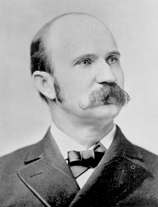
Main article: 1891 United States Senate election in New York
The New York election was held January 20 and 21, 1891, by the New York State Legislature.
Republican William M. Evarts had been elected to this seat in 1885, and his term would expire on March 3, 1891.
At the State election in November 1889, 19 Republicans and 13 Democrats were elected for a two-year term (1890–1891) in the State Senate. At the State election in November 1890, 68 Democrats and 60 Republicans were elected for the session of 1891 to the Assembly. The 114th New York State Legislature met from January 6 to April 30, 1891, at Albany, New York.
The Democratic caucus met on January 19, 74 State legislators attended, and State Senator John C. Jacobs presided. Governor David B. Hill was nominated by acclamation.
The Republican caucus met immediately after the Democratic caucus ended, Assemblyman James W. Husted presided. They re-nominated the incumbent U.S. Senator William M. Evarts unanimously.
On January 20, both Houses of the State legislature took ballots separately. The incumbent U.S. Senator Evarts was the choice of the State Senate, Governor Hill the choice of the Assembly. On January 21, both Houses met in joint session, and comparing nominations, found that they disagreed and proceeded to a joint ballot. Governor Hill was elected by a majority of 2, every member of the Legislature being present.
| House | Democratic | Republican |
|---|---|---|
| State Senate | ||
| (32 members) | David B. Hill | 13 |
| State Assembly | ||
| (128 members) | David B. Hill | 65 |
| Joint ballot | ||
| (160 members) | David B. Hill | 81 |
The seat became vacant on March 4, 1891. David B. Hill remained in office as Governor of New York until December 31, 1891, and took his seat only on January 7, 1892, missing actually only one month of session. There were no special sessions during the 52nd United States Congress and the regular session began only on December 7, 1891. Hill served a single term, and remained in the U.S. Senate until March 3, 1897. In January 1897, Hill was defeated for re-election by Republican Thomas C. Platt who had been a U.S. Senator briefly in 1881.
Pennsylvania

Main article: 1891 United States Senate election in Pennsylvania
The Pennsylvania election was held on January 20, 1891. J. Donald Cameron was re-elected by the Pennsylvania General Assembly to the United States Senate.
The Pennsylvania General Assembly, consisting of the House of Representatives and the Senate, convened on January 20, 1891. Incumbent Republican J. Donald Cameron, who was elected in an 1877 special election and re-elected in 1879 and 1885, was a successful candidate for re-election to another term. The results of the vote of both houses combined are as follows:
|- |-bgcolor="#EEEEEE" |}
Notes
References
References
- (February 8, 2022). "17th Amendment to the U.S. Constitution: Direct Election of U.S. Senators (1913)".
- (1893). "Congressional Series of United States Public Documents". [[Government Printing Office]].
- Goodspeed, Weston Arthur. (1904). "Iowa, Nebraska, Wyoming". University of California.
- "Richard J. Oglesby the Nominee" ''Chicago Daily Tribune'' (1872–1922); Chicago, Ill., 16 Jan 1891: 4.
- Newcombe, Alfred W.. (1946). "Alson J. Streeter: An Agrarian Liberal". [[University of Illinois Press]].
- (March 5, 1890). "Election of U.S. Senator". Journal of the Iowa House of Representatives.
- (February 17, 1891). "Senator James H. Kyle". [[The New York Times]].
- (1923). "Proceedings of the House of Representatives, ... Legislative session, State of South Dakota". Published under the direction and authority of the Legislature.
- (May 26, 1891). "Call Declared Elected". [[The New York Times]].
- "Journal of the House of Delegates of the Commonwealth of Virginia 1891–1892".
- "Our Campaigns – MD US Senate Race – Jan 00, 1890".
- "U.S. Senate Election – 20 January 1891". Wilkes University.
This article was imported from Wikipedia and is available under the Creative Commons Attribution-ShareAlike 4.0 License. Content has been adapted to SurfDoc format. Original contributors can be found on the article history page.
Ask Mako anything about 1890–91 United States Senate elections — get instant answers, deeper analysis, and related topics.
Research with MakoFree with your Surf account
Create a free account to save articles, ask Mako questions, and organize your research.
Sign up freeThis content may have been generated or modified by AI. CloudSurf Software LLC is not responsible for the accuracy, completeness, or reliability of AI-generated content. Always verify important information from primary sources.
Report