From Surf Wiki (app.surf) — the open knowledge base
1852–53 United States Senate elections
none
none
| Field | Value |
|---|---|
| election_name | 1852–53 United States Senate elections |
| country | United States |
| flag_year | 1851 |
| type | legislative |
| ongoing | no |
| previous_election | 1850–51 United States Senate elections |
| previous_year | 1850 & 1851 |
| next_election | 1854–55 United States Senate elections |
| next_year | 1854 & 1855 |
| seat_class | Class 2 |
| previous_seat_election | 1846–47 United States Senate elections |
| previous_seat_year | 1846 & 1847 |
| next_seat_election | 1858–59 United States Senate elections |
| next_seat_year | 1858 & 1859 |
| seats_for_election | 20 of the 62 seats in the United States Senate (with special elections) |
| majority_seats | 32 |
| election_date | Various dates |
| image_size | 100px |
| 1blank | Seats up |
| party1 | Democratic Party (US) |
| last_election1 | 33 seats |
| seats_before1 | 37 |
| seats1 | 10 |
| seats_after1 | 35 |
| seat_change1 | 1 |
| 1data1 | 10 |
| party2 | Whig Party (US) |
| last_election2 | 22 seats |
| seats_before2 | 22 |
| seats2 | 4 |
| seats_after2 | 18 |
| seat_change2 | 4 |
| 1data2 | 9 |
| party4 | Free Soil Party |
| last_election4 | 2 seats |
| seats_before4 | 3 |
| seats4 | 2 |
| seats_after4 | 2 |
| seat_change4 | 1 |
| 1data4 | 1 |
| party5 | Native American |
| seats_before5 | New party |
| seats5 | 1 |
| seats_after5 | 1 |
| seat_change5 | 1 |
| title | Majority party |
| before_party | Democratic Party (US) |
| after_party | Democratic Party (US) |
| map_image | File:1852senatemap.svg |
| map_caption | Results: |
| map_size | 390px |
The 1852–53 United States Senate elections were held on various dates in various states, coinciding with the 1852 presidential election. As these U.S. Senate elections were prior to the ratification of the Seventeenth Amendment in 1913, senators were chosen by state legislatures. Senators were elected over a wide range of time throughout 1852 and 1853, and a seat may have been filled months late or remained vacant due to legislative deadlock. In these elections, terms were up for the senators in Class 2.
The Democratic Party gained two seats in the Senate. Only six of the twenty senators up for election were re-elected.
Results summary
Senate party division, 33rd Congress (1853–1855)
- Majority party: Democratic (35–38)
- Minority party: Whig Party (19–17)
- Other parties: Free Soiler (2–5); American (1)
- Vacant: 5–1
- Total seats: 62
Change in composition
Before the elections
| W |
|---|
As a result of the elections
| D Loss |
|---|
| | D | | D | | D | | D | | D | | D | | D | | D
|- | | D Ark. Re-elected | | D Calif. (sp) Gain | | D Conn. (sp) Gain | | D Ga. Hold | | D Ill. Re-elected | | D Ind. (sp) Hold | | D Iowa Re-elected | | D La. (sp) Hold | | D Mich. Hold | | D Miss. (sp 1) Hold
|- N.H. Gain
|- | | V
| Miss. (sp 2) | |
|---|---|
| Gain |
| | V Maine D Loss | | A Ky. Gain | | D Va. Re-elected | | D Texas Re-elected | | D S.C. (sp) Hold S.C. (reg) Hold | | D R.I.
| W Loss |
|---|
| | D N.J. (sp) Hold | | D N.J. (reg) Gain
|- | | V N.C. W Loss | | FS | | FS | | W Tenn. Re-elected | | W Mass. Hold | | W La. (reg) Gain | | W Del. Hold | | W | | W | | W
|- | | W | | W | | W | | W | | W | | W | | W | | W | | W | | W
|- | | W
|}
| V | Vacant |
|---|
|}
Race summaries
Special elections during the 32nd Congress
In these elections, the winners were seated during 1852 or in 1853 before March 4; ordered by election date.
| State | Incumbent | Results | Candidates | Senator | Party | Electoral history | California | ||||||
|---|---|---|---|---|---|---|---|---|---|---|---|---|---|
| (Class 1) | Mississippi | ||||||||||||
| (Class 2) | Mississippi | ||||||||||||
| (Class 1) | Connecticut | ||||||||||||
| (Class 1) | South Carolina | ||||||||||||
| (Class 2) | Indiana | ||||||||||||
| (Class 3) | |||||||||||||
| Vacant | Legislature had previously failed to elect in 1850–1851. | ||||||||||||
| New senator elected January 30, 1852 on the eighth ballot. | |||||||||||||
| Democratic gain. | nowrap | {{Plainlist | |||||||||||
| Henry S. Foote | Democratic | 1846 or 1847 | Incumbent resigned January 8, 1852, to become Governor of Mississippi. | ||||||||||
| New senator elected February 18, 1852. | |||||||||||||
| Whig gain. | |||||||||||||
| Winner then retired at the end of the term; see below. | nowrap | Walker Brooke (Whig) | |||||||||||
| John J. McRae | Democratic | 1851 (appointed) | Interim appointee replaced by an elected successor. | ||||||||||
| New senator elected March 17, 1852. | |||||||||||||
| Democratic hold. | nowrap | Stephen Adams (Democratic) | |||||||||||
| Vacant | Legislature failed to elect. | ||||||||||||
| New senator elected May 12, 1852. | |||||||||||||
| Democratic gain. | nowrap | Isaac Toucey (Democratic) | |||||||||||
| William F. De Saussure | Democratic | 1852 (appointed) | Interim appointee elected November 29, 1852. | ||||||||||
| Winner was not elected to the next term; see below. | nowrap | William F. De Saussure (Democratic) | |||||||||||
| Charles W. Cathcart | Democratic | 1852 (appointed) | Incumbent retired when elected successor qualified. | ||||||||||
| New senator elected January 18, 1853. | |||||||||||||
| Democratic hold. | nowrap | John Pettit (Democratic) |
Elections leading to the 33rd Congress
In these regular elections, the winners were elected for the term beginning March 4, 1853; ordered by state.
All of the elections involved the Class 2 seats.
| State | Incumbent | Results | Candidates | Senator | Party | Electoral | ||||||||||||||||||||||||
|---|---|---|---|---|---|---|---|---|---|---|---|---|---|---|---|---|---|---|---|---|---|---|---|---|---|---|---|---|---|---|
| history | Alabama | Arkansas | Delaware | Georgia | Illinois | Iowa | Kentucky | Louisiana | Maine | Massachusetts | Michigan | Mississippi | New Hampshire | New Jersey | North Carolina | Rhode Island | South Carolina | Tennessee | Texas | Virginia | ||||||||||
| Jeremiah Clemens | Democratic | nowrap | 1849 (special) | Incumbent retired. | ||||||||||||||||||||||||||
| Legislature failed to elect. | ||||||||||||||||||||||||||||||
| Democratic loss. | ||||||||||||||||||||||||||||||
| Seat would remain vacant until November 29, 1853; see below. | nowrap | |||||||||||||||||||||||||||||
| William K. Sebastian | Democratic | nowrap | 1848 (appointed) | |||||||||||||||||||||||||||
| 1848 (special) | Incumbent re-elected in 1853. | nowrap | William K. Sebastian (Democratic) | |||||||||||||||||||||||||||
| Presley Spruance | Whig | nowrap | 1846 or 1847 | Incumbent retired. | ||||||||||||||||||||||||||
| New senator elected in 1853. | ||||||||||||||||||||||||||||||
| Whig hold. | nowrap | {{Plainlist | ||||||||||||||||||||||||||||
| Robert M. Charlton | Democratic | nowrap | 1852 (appointed) | Unknown if incumbent retired or lost re-election. | ||||||||||||||||||||||||||
| New senator elected in 1852. | ||||||||||||||||||||||||||||||
| Democratic hold. | nowrap | Robert Toombs (Democratic) | ||||||||||||||||||||||||||||
| Stephen A. Douglas | Democratic | nowrap | 1846 | Incumbent re-elected in 1852. | nowrap | {{Plainlist | ||||||||||||||||||||||||
| George W. Jones | Democratic | nowrap | 1848 | Incumbent re-elected in 1852. | nowrap | {{Plainlist | ||||||||||||||||||||||||
| Joseph R. Underwood | Whig | nowrap | 1846 or 1847 | Incumbent retired. | ||||||||||||||||||||||||||
| New senator had already been elected early in 1851. | ||||||||||||||||||||||||||||||
| Know Nothing gain. | nowrap | {{Plainlist | ||||||||||||||||||||||||||||
| Solomon W. Downs | Democratic | nowrap | 1847 | Incumbent retired or lost re-election. | ||||||||||||||||||||||||||
| New senator elected in 1852. | ||||||||||||||||||||||||||||||
| Whig gain. | nowrap | Judah P. Benjamin (Whig) | ||||||||||||||||||||||||||||
| James W. Bradbury | Democratic | nowrap | 1846 | Incumbent retired. | ||||||||||||||||||||||||||
| Legislature failed to elect. | ||||||||||||||||||||||||||||||
| Democratic loss. | ||||||||||||||||||||||||||||||
| Seat would remain vacant until 1854. | nowrap | |||||||||||||||||||||||||||||
| John Davis | Whig | nowrap | 1835 | |||||||||||||||||||||||||||
| 1841 (resigned) | ||||||||||||||||||||||||||||||
| 1845 (special) | ||||||||||||||||||||||||||||||
| 1847 | Incumbent retired. | |||||||||||||||||||||||||||||
| New senator elected in 1853. | ||||||||||||||||||||||||||||||
| Whig hold. | nowrap | Edward Everett (Whig) | ||||||||||||||||||||||||||||
| Alpheus Felch | Democratic | nowrap | 1847 | Incumbent retired. | ||||||||||||||||||||||||||
| New senator elected in 1853. | ||||||||||||||||||||||||||||||
| Democratic hold. | nowrap | {{Plainlist | ||||||||||||||||||||||||||||
| Walker Brooke | Whig | nowrap | 1852 (special) | Incumbent retired. | ||||||||||||||||||||||||||
| Legislature failed to elect. | ||||||||||||||||||||||||||||||
| Whig loss. | ||||||||||||||||||||||||||||||
| Seat would remain vacant until 1854. | nowrap | |||||||||||||||||||||||||||||
| John P. Hale | Free Soil | nowrap | 1846 | Incumbent lost re-election. | ||||||||||||||||||||||||||
| New senator elected in 1852. | ||||||||||||||||||||||||||||||
| Democratic gain. | nowrap | {{Plainlist | ||||||||||||||||||||||||||||
| Jacob W. Miller | Whig | nowrap | 1841 | |||||||||||||||||||||||||||
| 1846 | Unknown if incumbent retired or lost re-election. | |||||||||||||||||||||||||||||
| New senator elected in 1852 or 1853. | ||||||||||||||||||||||||||||||
| Democratic gain. | nowrap | {{Plainlist | ||||||||||||||||||||||||||||
| Willie Mangum | Whig | nowrap | 1830 | |||||||||||||||||||||||||||
| 1836 (resigned) | ||||||||||||||||||||||||||||||
| 1840 (special) | ||||||||||||||||||||||||||||||
| 1841 | Incumbent lost re-election. | |||||||||||||||||||||||||||||
| Leglislature failed to elect. | ||||||||||||||||||||||||||||||
| Whig loss. | ||||||||||||||||||||||||||||||
| Seat would remain vacant until 1854. | nowrap | Willie Mangum (Whig) | ||||||||||||||||||||||||||||
| John Hopkins Clarke | Whig | nowrap | 1846 or 1847 | Incumbent retired or lost re-election. | ||||||||||||||||||||||||||
| Leglislature failed to elect. | ||||||||||||||||||||||||||||||
| Whig loss. | ||||||||||||||||||||||||||||||
| Seat would remain vacant until July 20, 1853; see below. | nowrap | |||||||||||||||||||||||||||||
| William F. De Saussure | Democratic | nowrap | 1852 (appointed) | |||||||||||||||||||||||||||
| 1852 (special) | Incumbent retired or lost re-election. | |||||||||||||||||||||||||||||
| New senator elected in 1852 or 1853. | ||||||||||||||||||||||||||||||
| Democratic hold. | nowrap | Josiah J. Evans (Democratic) | ||||||||||||||||||||||||||||
| John Bell | Whig | nowrap | 1847 | Incumbent re-elected in 1853. | nowrap | {{Plainlist | ||||||||||||||||||||||||
| Sam Houston | Democratic | nowrap | 1846 | |||||||||||||||||||||||||||
| 1847 | Incumbent re-elected in 1853. | nowrap | {{Plainlist | |||||||||||||||||||||||||||
| Robert M. T. Hunter | Democratic | nowrap | 1846 | Incumbent re-elected in 1852. | nowrap | {{Plainlist |
Elections during the 33rd Congress
In these elections, the winners were elected in 1853 on or after March 4; ordered by date.
| State | Incumbent | Results | Candidates | Senator | Party | Electoral history | New Jersey | |||||
|---|---|---|---|---|---|---|---|---|---|---|---|---|
| (Class 1) | Rhode Island | |||||||||||
| (Class 2) | Alabama | |||||||||||
| (Class 2) | Louisiana | |||||||||||
| (Class 3) | Alabama | |||||||||||
| (Class 3) | ||||||||||||
| Robert F. Stockton | Democratic | 1851 | Incumbent resigned January 10, 1853, to become president of the Delaware and Raritan Canal Company. | |||||||||
| New senator elected March 4, 1853. | ||||||||||||
| Democratic hold. | nowrap | {{Plainlist | ||||||||||
| Vacant | Legislature had failed to elect. | |||||||||||
| New senator elected July 20, 1853. | ||||||||||||
| Democratic gain. | nowrap | Philip Allen (Democratic) | ||||||||||
| Vacant | Legislature had failed to elect. | |||||||||||
| New senator elected November 29, 1853. | ||||||||||||
| Democratic gain. | nowrap | {{Plainlist | ||||||||||
| Pierre Soulé | Democratic | 1847 (special) | ||||||||||
| 1847 (left office) | ||||||||||||
| 1848 | Incumbent resigned to become U.S. Minister to Spain. | |||||||||||
| New senator elected December 5, 1853. | ||||||||||||
| Democratic hold. | nowrap | {{Plainlist | ||||||||||
| Benjamin Fitzpatrick | Democratic | 1848 (appointed) | ||||||||||
| 1849 (elected successor qualified) | ||||||||||||
| 1853 (appointed) | Interim appointee elected December 12, 1853. | nowrap | {{Plainlist |
Alabama
Alabama (regular)
Main article: 1853 United States Senate election in Alabama
The legislature had failed to elect a senator for the other seat, previously held by Democrat Jeremiah Clemens. On November 28, 1853, Democrat Clement Claiborne Clay was elected late to the seat.
- Clement Claiborne Clay 85 votes
- R. W. Walker 37 votes
- Jeremiah Clemens 8 votes
Alabama (special, class 3)

On December 20, 1852, Democrat William R. King resigned due to poor health. On January 14, 1853, Democrat Benjamin Fitzpatrick was appointed to continue the term, and he was elected November 28, 1853, to finish the term.
- Benjamin Fitzpatrick 107 votes
- William D. Dunn 14 votes
- Jeremiah Clemens 2 votes
- Francis Strother Lyon 1 vote
Arkansas

Democratic senator William K. Sebastian had been appointed May 12, 1848, to continue the term, to which he was elected later that year to finish.
Sebastian was re-elected to a full term in 1853.
California (special)

The California legislature had failed to elect a successor to Democrat John C. Frémont in time for the 1851 beginning of the class 1 term.
In fact, this time it took eight ballots for Democrat John B. Weller (71 votes, 80.7%) to be elected January 30, 1852, over Whig Pierson B. Reading (17 votes, 19.3%).
Connecticut (special)

The Connecticut legislature had failed to elect a senator for the term beginning in 1851. Democrat Isaac Toucey was elected in May 1852 to finish the term.
| Senate (May 11, 1852) | House (May 12, 1852) | ||||
|---|---|---|---|---|---|
| nowrap | {{Plainlist | nowrap | {{Plainlist |
Delaware

First-term Whig Presley Spruance retired and Whig former senator John M. Clayton was elected January 12, 1853.
Clayton received 17 votes and there were 13 blank ballots cast.
Georgia

Second-term Whig John M. Berrien resigned May 28, 1852, and Democrat Robert M. Charlton was appointed May 31, 1852, to finish the term.
Democrat Robert Toombs was elected in 1852 and would serve through re-election in 1858 and until he withdrew in 1861.
Illinois
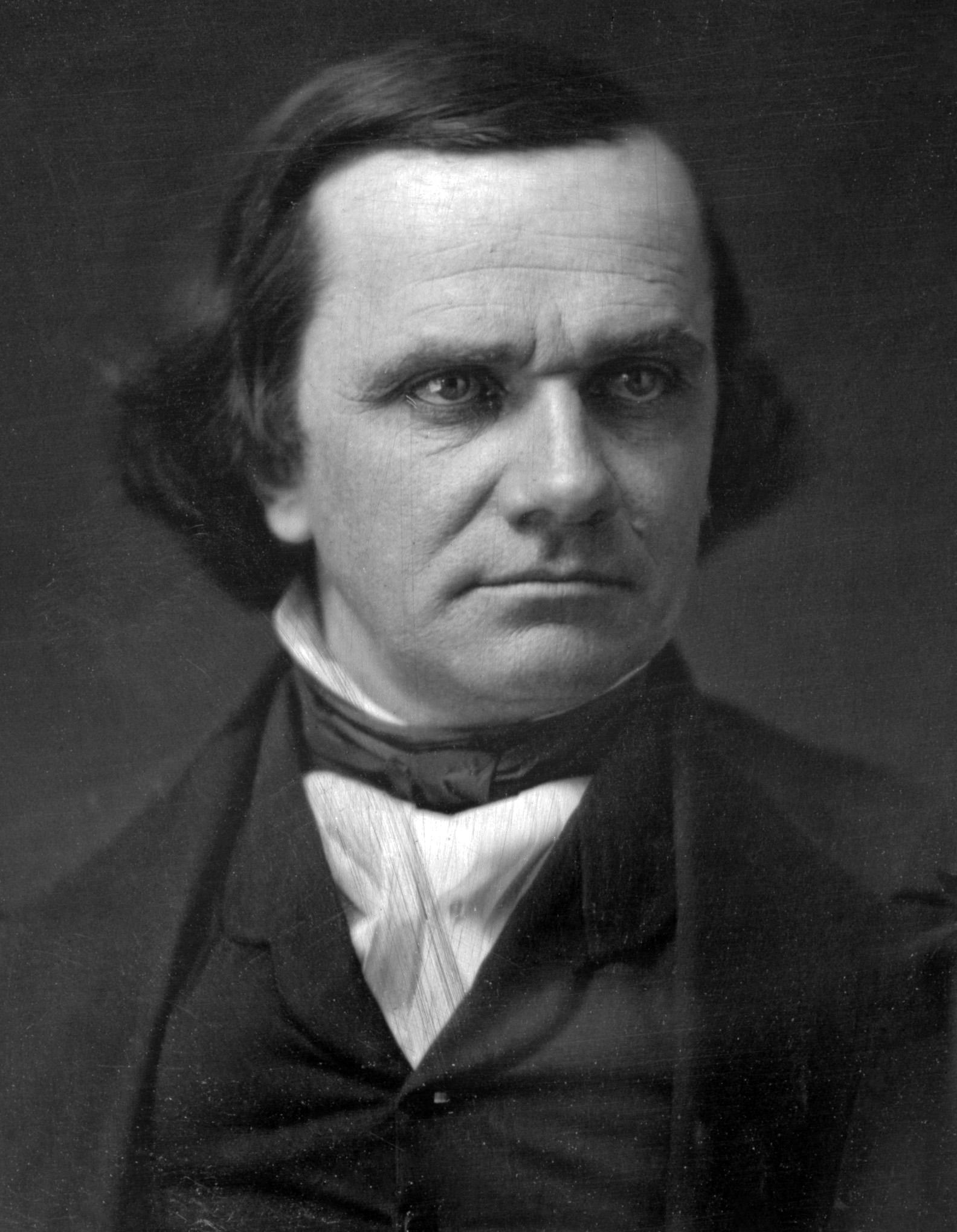
Two-term Democrat Stephen A. Douglas was re-elected January 5, 1853. He would be re-elected in 1859 and serve until his 1861 death.
- Stephen A. Douglas (Democratic) 75 votes
- State senator Joseph Gillespie (Whig) 19 votes
- James H. Collins 1 vote
Indiana (special)

First term Democrat James Whitcomb died December 4, 1852, and Democrat Charles W. Cathcart was appointed December 6, 1852, pending a special election to finish the term that would end in 1855.
Democrat John Pettit won the January 18, 1853, election.
Iowa

First-term Democrat George Wallace Jones was re-elected to a second term.
He received the Democratic nomination on December 20, 1852, by the narrowest of margins: 30 to 29 votes. The general election was held the next day, December 21, in which Jones easily won.
- George Wallace Jones (Democratic) 59 votes
- George G. Wright (Whig) 31 votes
- John F. Kinney (Democratic) 1 vote
Kentucky
Main article: 1851 United States Senate election in Kentucky
One-term Whig Joseph R. Underwood retired from the class 2 seat and the American Party Lieutenant Governor of Kentucky John Burton Thompson had already been elected early, December 13, 1851, far in advance of the 1853 term.
Louisiana
Louisiana (regular)

Democrat Solomon W. Downs lost re-election to Whig businessman Judah P. Benjamin in January 1852. Some Whig newspapers thought Benjamin too young and inexperienced at forty, despite his undoubted talent, but the Whig legislative caucus selected him on the second ballot, and he was elected by the legislature.
Louisiana (special)
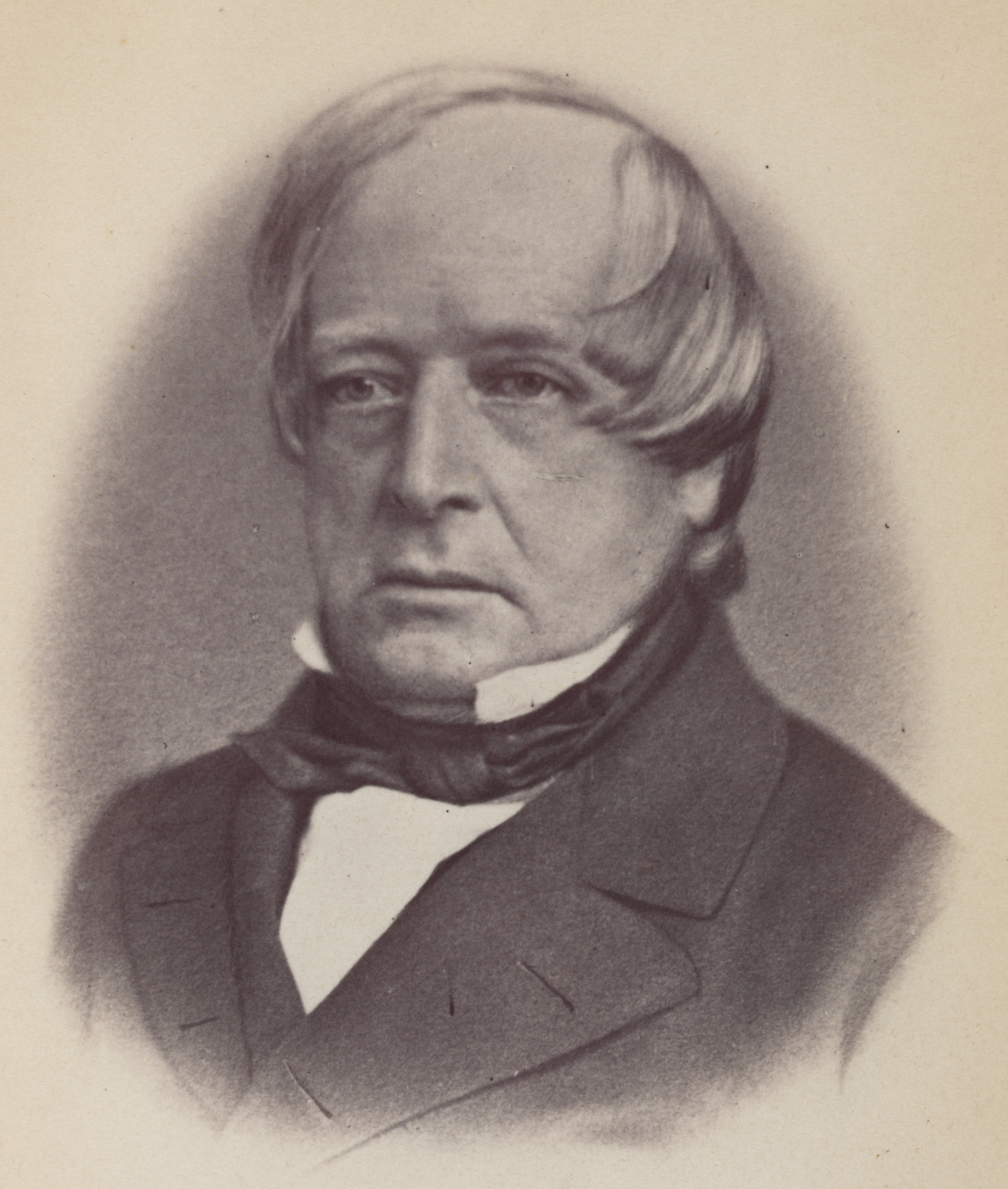
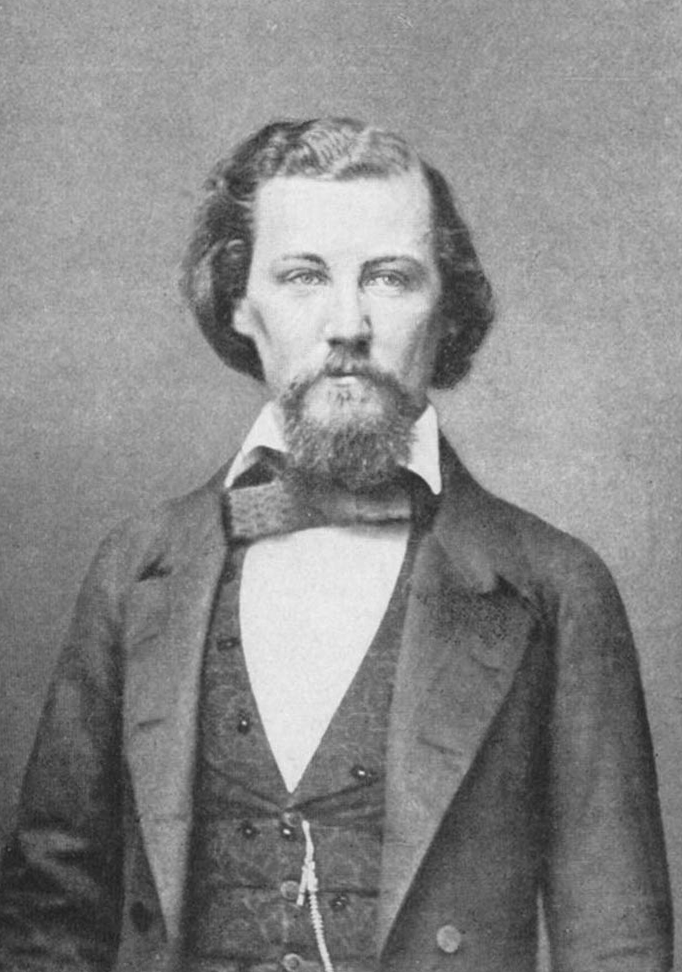
First-term Democrat Pierre Soulé was appointed U.S. Minister to Spain and resigned April 11, 1853.
Former-Democratic congressman and diplomat John Slidell was elected April 28, 1853.
- John Slidell (Democratic) 70 votes
- T.G. Hunt 37 votes
Slidell would be re-elected in 1858 and serve until he withdrew in 1861.
Maine
First-term Democrat James W. Bradbury retired and the Maine legislature failed to elect his replacement until long after the new Congress began. It wasn't until 1854 that a new senator would be elected.
Massachusetts

Long-time senator Whig John Davis retired. Whig U.S. Secretary of State and former Governor of Massachusetts Edward Everett was elected in 1853.
Everett would resign just one year into his term due to his distaste dealing with the politics of slavery and abolition.
Michigan
First-term Democrat Alpheus Felch retired. Fellow Democratic congressman Charles E. Stuart was elected January 11, 1853, over Whig Mayor of Detroit Zachariah Chandler.
Stuart only served one term, retiring in 1859. Chandler, meanwhile, would be elected to the other seat and serve for three terms.
Mississippi
Mississippi (special, class 1)
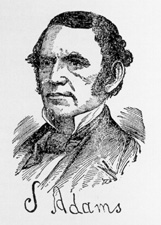
Incumbent Democrat Jefferson Davis resigned in 1851 to run for Governor of Mississippi. Democrat John J. McRae was appointed December 1, 1851, to continue Davis's term, pending a special election. Democrat Stephen Adams won the March 17, 1852, special election to finish the term that would continue until 1857.
Mississippi (special, class 2)
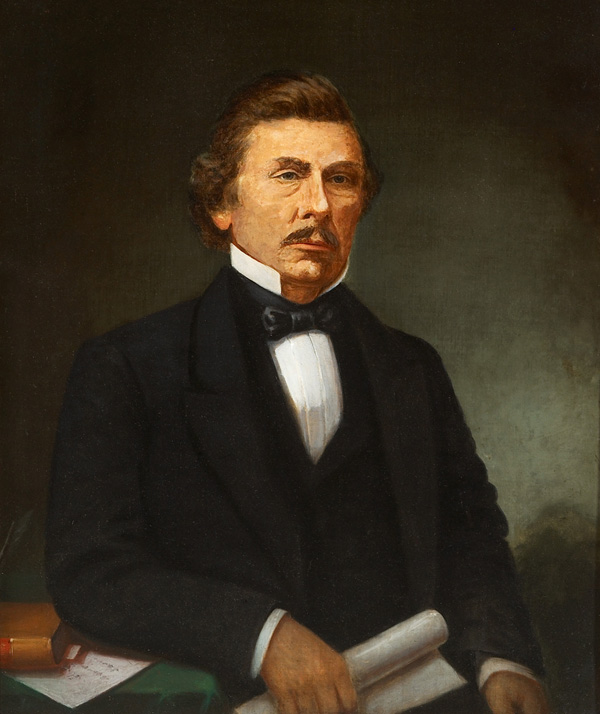
Incumbent Democrat Henry S. Foote resigned January 8, 1852, to become Governor of Mississippi. Whig Walker Brooke was elected February 18, 1852, to finish the term that would end the following year.
Mississippi (regular)
Brooke was not a candidate to the next term.
The Mississippi legislature failed to elect a replacement for Brooke, and the seat remained vacant until early 1854.
New Hampshire

Free Soil senator John P. Hale ran for U.S. President, coming in third place in the popular vote, but failing to win any states. He lost to the Democratic fellow-New Hampshire senator Franklin Pierce. He then lost re-election to his senate seat when Democrats took over the New Hampshire legislature in 1852 state elections.
Democratic former-senator Charles G. Atherton was returned to the Senate in Hale's place on November 25, 1852.
Atherton died from pulmonary tuberculosis in the first year of his term.
After Republicans retook the New Hampshire legislature in 1854, Hale was re-elected to finish the term.
New Jersey
New Jersey (regular)
.jpg)
Two-term Whig Jacob W. Miller lost re-election to Democratic former-Congressman William Wright.
Wright would lose re-election in 1859 but be returned to the Senate in 1863.
New Jersey (special)
.jpg)
First-term Democrat Robert F. Stockton resigned from the Class 1 seat January 10, 1853, to become President of the Delaware and Raritan Canal Company.
Democrat John Renshaw Thomson was elected February 11, 1853, over Whig former-senator William L. Dayton to finish the term.
Thomson would be re-elected in 1857 to a full term and serve until his death in 1862.
North Carolina
Long-time Whig Willie Mangum was a candidate for re-election. Although Democratic former-congressman James C. Dobbin was a top choice of the North Carolina Legislature, no candidate received a majority of votes in either house, so the seat was left unfilled.
The seat would remain vacant until a 1854 special election.
Dobbin would then be appointed U.S. Secretary of the Navy and Magnum retired from public service.
Rhode Island
.jpg)
The Rhode Island General Assembly failed to elect, so first-term Whig John Hopkins Clarke thereby lost re-election.
After the term began, Democrat Philip Allen was elected July 20, 1853, to fill the seat. Allen would serve only one term, retiring in 1859.
South Carolina
Democrat Robert Rhett resigned May 7, 1852, and Democratic judge of the chancery court William F. De Saussure was appointed May 10, 1852, to continue the term, pending a special election. The term would end in March 1853, so there was an election to finish the term and an election to the next term.
South Carolina (special)
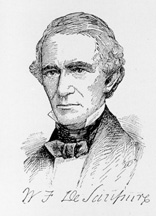
De Saussure was elected November 29, 1852, just to finish the term.
South Carolina (regular)

Democrat Josiah J. Evans was elected December 1, 1852, on the fourth ballot to the next term.
Tennessee
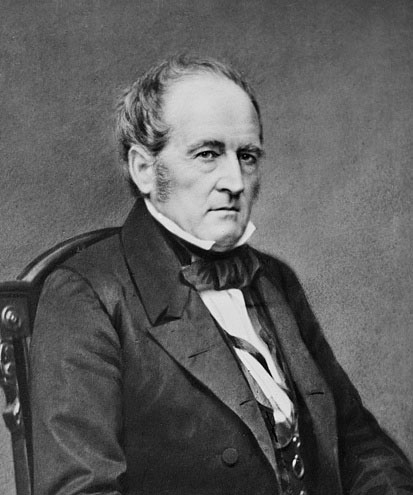
First-term Whig John Bell was re-elected October 29, 1853, on the 49th ballot.
- John Bell (Whig) 51 votes
- Thomas A.R. Nelson 18 votes
- Cave Johnson 23 votes
- Neill S. Brown 4 votes
- Aaron V. Brown 1 vote
Bell would fall out of favor with the Tennessee legislature over the sectionalism that was rife in the late 1850s and lost their vote for re-election.
Texas

Two-term Democrat Sam Houston — a Texas founder who had served as senator since statehood — was re-elected January 15, 1853.
- Sam Houston (Democratic) 65 votes
- John Hemphill 14 votes
- George W. Smyth 1 vote
Houston would retire at the end of this term in 1859, and be replaced by John Hemphill.
Virginia
.jpg)
First-term Democrat Robert M. T. Hunter was re-elected January 22, 1852.
- Robert M. T. Hunter (Democratic) 126 votes
- Scattering 63 votes
Hunter would be re-elected again in 1858 and serve until his 1861 expulsion.
Notes
References
- Party Division in the Senate, 1789-Present, via Senate.gov
References
- (February 8, 2022). "17th Amendment to the U.S. Constitution: Direct Election of U.S. Senators (1913)".
- "Journal of the Proceedings of the Assembly".
- (1851). "Journal of the House of Representatives of the Commonwealth of Kentucky, November 3, 1851 - January 9, 1852". Albert G. Hodges.
- (1903). "Journal of the Senate of the State of Alabama".
- Journal of the Senate of the State of Connecticut, May session 1852, pages 41-42.
- (1852). "Journal of the House of Representatives of the State of Connecticut (May session 1852)".
- (1853). "Journal of the House of Representatives of the State of Delaware".
- (1853). "Journal of the Senate of the Eighteenth General Assembly, of the State of Illinois Convened January 3, 1853". Lanphier & Walker, Printers.
- Butler, Pierce. (1908). "Judah P. Benjamin". George W. Jacobs & Company.
- (1853). "Journal and Official Documents of the House of Representatives of the State of Louisiana.". Emile La Sere, State Printer.
- (1853). "Journal of the House of Representatives of the State of Michigan. 1853". Geo. W. Peck, Printer to the State.
- (1853). "Journal of the Senate of the State of Michigan. 1853". Geo. W. Peck, Printer to the State.
- (1853). "Journal of the House of Representatives of the State of New Hampshire, November Session, 1852". Butterfield & Hill, State Printers.
- (1853). "Journal of the Honorable Senate of the State of New Hampshire, November Session, 1852". Butterfield & Hill, State Printers.
- (1853). "Journal of the Ninth Senate of the State of New Jersey being the Seventy-seventh Session of The Legislature". Bernard Connolly.
- (1853). "Journal of the Ninth Senate of the State of New Jersey being the Seventy-seventh Session of The Legislature". Bernard Connolly.
- "Journals of the Senate and House of Commons of the General Assembly of North-Carolina at its session in 1852".
- (1852). "Journal of the Senate of the State of South Carolina being the Extra and Annual Sessions of 1852". Johnston & Cavis, Printers to the Senate.
- (1852). "Journal of the Senate of the State of South Carolina being the Extra and Annual Sessions of 1852". Johnston & Cavis, Printers to the Senate.
- (1854). "Senate Journal of the First Session of the Thirtitieth General Assembly of the State of Tennessee which convened at Nashville, on the First Monday in October, A.D. 1853". Nashville Union and American Steam Press.
- (1853). "Journals of the House of Representatives of the State of Texas, Fourth Legislature—Extra Session". J.W. Hampton — State printer.
- (1852). "Journal of the House of Delegates of the State of Virginia for the Session of 1852.". William F. Ritchie, Public Printer.
This article was imported from Wikipedia and is available under the Creative Commons Attribution-ShareAlike 4.0 License. Content has been adapted to SurfDoc format. Original contributors can be found on the article history page.
Ask Mako anything about 1852–53 United States Senate elections — get instant answers, deeper analysis, and related topics.
Research with MakoFree with your Surf account
Create a free account to save articles, ask Mako questions, and organize your research.
Sign up freeThis content may have been generated or modified by AI. CloudSurf Software LLC is not responsible for the accuracy, completeness, or reliability of AI-generated content. Always verify important information from primary sources.
Report